China Signals Expanded International Aviation Cooperation Amid Global Capacity Shifts
China has outlined plans to deepen international aviation cooperation as global air traffic patterns and capacity deployment continue to evolve.
 Jishan Khan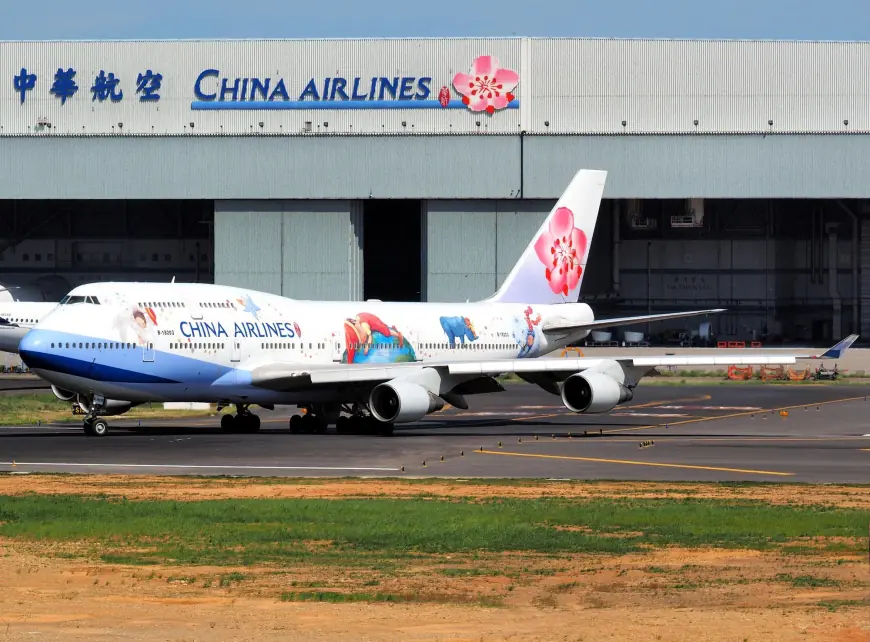

China has signalled an expansion of international aviation cooperation as global air traffic patterns adjust to shifting demand, capacity constraints and evolving geopolitical dynamics across major markets.
Chinese aviation authorities said efforts are underway to strengthen air transport links with international partners, focusing on route restoration, capacity coordination and policy alignment as airlines worldwide continue to rebalance networks following prolonged disruption. The move reflects China’s intent to stabilise international connectivity while supporting broader economic and trade engagement.
International flight capacity involving China has been recovering at a measured pace, shaped by market demand, bilateral agreements and airline fleet availability. While domestic aviation has largely normalised, cross‑border services remain a strategic priority as global carriers reassess long‑haul deployment and regional connectivity.
Officials highlighted the importance of balanced growth, emphasising safety oversight, operational resilience and compliance with international aviation standards. Strengthening cooperation with foreign regulators and airlines is viewed as essential to ensuring orderly market recovery and sustainable expansion.
The push for deeper aviation engagement comes as airlines face rising operational costs, aircraft delivery delays and uneven demand across regions. These pressures have prompted governments and industry stakeholders to explore more coordinated approaches to capacity planning and airspace utilisation.
China’s aviation sector plays a significant role in global passenger and cargo flows, particularly across Asia‑Pacific routes. Enhanced international cooperation could support network stability, facilitate tourism recovery and improve supply chain efficiency amid continued volatility in global logistics markets.
Industry analysts note that aviation diplomacy increasingly intersects with broader economic and geopolitical considerations. Air service agreements, route approvals and capacity rights are closely linked to trade relations, making aviation policy a strategic tool for governments seeking to strengthen international ties.
For airlines, expanded cooperation may translate into improved slot access, restored frequencies and more predictable regulatory frameworks. However, competitive pressures remain intense as carriers vie for market share on high‑yield international routes amid constrained fleet growth.
As international travel demand continues to recover unevenly, China’s emphasis on aviation cooperation underscores the role of policy coordination in shaping the next phase of global air transport recovery. The pace and scope of progress will depend on bilateral negotiations, airline readiness and broader economic conditions.
Aviation stakeholders will be watching how these signals translate into concrete capacity increases, new route launches and regulatory adjustments as the global industry enters a period of structural recalibration.