Chinese Airlines Cancel 49 Routes to Japan Amid Market Pressures
Chinese airlines have cancelled flights on 49 routes to Japan, reflecting shifting demand, capacity adjustments and regional aviation pressures.
 Jishan Khan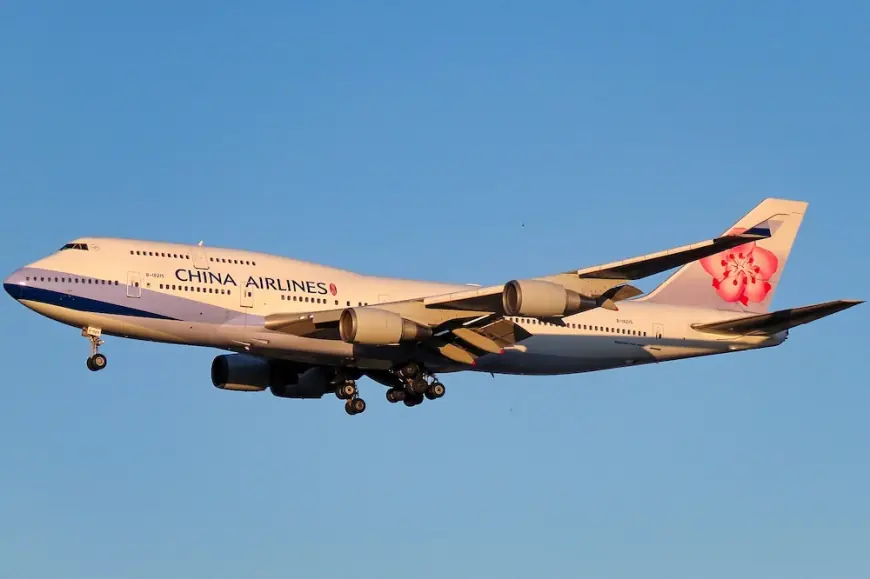

Chinese airlines have cancelled flights on 49 routes connecting China and Japan, signalling a notable adjustment in capacity across one of East Asia’s most important international aviation corridors. The move reflects a combination of commercial, operational and geopolitical pressures influencing airline network decisions as carriers reassess demand patterns and cost structures in the post-pandemic environment.
Air links between China and Japan have historically supported strong flows of business travellers, tourists and visiting friends and relatives traffic. However, airlines on both sides of the market have faced uneven recovery trends, with passenger demand remaining sensitive to visa policies, consumer confidence and broader regional relations. The cancellation of nearly 50 routes highlights the scale of recalibration currently underway.
From an airline strategy perspective, route suspensions are often driven by load factor performance and yield sustainability. Operating international services involves significant fixed costs, including crew deployment, fuel, navigation charges and airport fees. When demand fails to meet commercial thresholds, airlines are forced to redeploy aircraft to more profitable markets or reduce utilisation to preserve financial stability.
China’s airline sector has been navigating a complex recovery path. While domestic traffic has shown resilience, international operations continue to face structural challenges, including slower-than-expected demand rebound and competitive pressure from other Asian hubs. Japan-bound routes, in particular, have seen fluctuating demand, influenced by travel sentiment and changing tourism dynamics.
The cancellations also underscore broader capacity management trends across the Asia-Pacific region. Airlines are increasingly prioritising routes that offer consistent demand and strategic connectivity, such as Southeast Asia and select long-haul markets. In contrast, routes with uncertain recovery trajectories are being trimmed or temporarily suspended as carriers focus on balance sheet protection.
Japan’s aviation market has likewise experienced shifts in inbound traffic composition. While the country remains a popular destination, the pace and mix of arrivals vary significantly by source market. Airlines must align capacity closely with real-time demand signals, especially in an environment where operating margins remain under pressure.
Aircraft availability and fleet planning considerations further influence route decisions. Narrowbody and widebody aircraft are being carefully allocated to maximise utilisation and returns. For Chinese airlines, reallocating capacity away from underperforming Japan routes may allow greater focus on higher-growth or strategically prioritised sectors.
The route cancellations may also affect secondary airports and regional connectivity. Reduced international services can impact airport revenues, tourism-dependent local economies and onward travel flows. For airports, maintaining diversified airline partnerships and route portfolios becomes increasingly important during periods of network rationalisation.
Industry observers note that such adjustments do not necessarily indicate a permanent reduction in China–Japan air connectivity. Route suspensions are often reversible, particularly if demand conditions improve or policy environments shift. Airlines typically retain traffic rights and can reintroduce services once commercial viability strengthens.
From a policy and regulatory standpoint, international aviation remains closely linked to bilateral agreements and diplomatic relations. While airlines operate on commercial principles, broader geopolitical dynamics can influence market confidence and long-term planning assumptions, adding another layer of complexity to network decisions.
Looking ahead, Chinese airlines are expected to continue fine-tuning international capacity throughout 2026, balancing growth ambitions against financial discipline. Japan will likely remain a strategically important market, but future capacity levels will depend on sustained demand recovery and improved route economics.
The cancellation of flights on 49 routes illustrates how airlines are actively reshaping networks in response to evolving market realities. As Asia-Pacific aviation continues its gradual recovery, flexibility and disciplined capacity management are set to remain defining features of airline strategy across the region.