IndiGo Fined Over Flight Disruptions, Obliged to Refund Travellers
DGCA fines IndiGo for pervasive flight disruptions tied to rostering and duty-time violations, mandating refunds and compliance fixes.
 Jishan Khan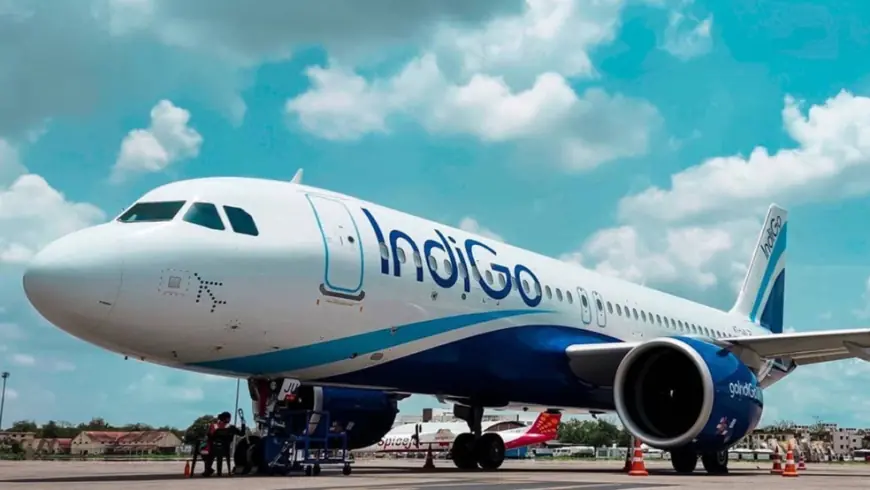

India’s Directorate General of Civil Aviation (DGCA) has penalised budget carrier IndiGo following a regulatory investigation into extensive flight delays, cancellations and crew duty-time violations that disrupted its domestic schedule, ordering the airline to compensate affected passengers and strengthen operational planning frameworks.
The DGCA’s enforcement notice cites a pattern of schedule instability and non-compliance with regulatory rosters, including violations of flight duty-time limits (FDTL) which are central safety provisions designed to manage crew fatigue and ensure flight crew fitness. The regulator’s findings follow an inquiry prompted by sustained passenger complaints and operational irregularities across IndiGo’s network, which operates close to 2,000 flights per day on Airbus A320 family aircraft.
According to the DGCA, the airline’s crew rostering practices contributed to cascading delays as pilots and cabin crew neared or exceeded permissible duty periods without adequate reserve coverage or rest buffers. The regulator flagged instances where the airline resorted to frequent delay extensions and last-minute cancellations attributable to crewing shortfalls and duty-time miscalculations.
The DGCA’s order includes a monetary penalty, reflecting the seriousness of the violations and the scale of network impact. More consequential for customers, the regulator has mandated that IndiGo refund ticket fares for passengers on disrupted flights where delays exceeded specified thresholds, and provide ancillary reimbursements such as meals and accommodation where applicable under India’s civil aviation consumer protection regulations.
Passenger groups and consumer advocates welcomed the DGCA’s action as an affirmation of enforcement teeth behind duty-time and scheduling norms. Such regulations are viewed within the industry as integral to fatigue risk management and operational reliability, especially for carriers with high frequency schedules in dense domestic markets like India.
IndiGo acknowledged the DGCA’s order and stated it will comply with refund and customer care directives, while emphasising ongoing efforts to address planning and rostering processes. The airline noted it has been enhancing crew resource planning systems to better anticipate duty-time constraints, incorporate reserve pools, and reduce dependency on ad-hoc adjustments that have historically compromised punctuality.
Operational experts say that roster stability and duty-time compliance are central to airline schedule integrity. Flight disruptions ripple across networks: a delayed aircraft can misalign crew availability at subsequent stations, trigger regulatory duty limit breaches, and cascade into a series of missed departures, amplifying passenger inconvenience. IndiGo’s dense utilisation model, which maximises daily aircraft rotations, leaves limited slack for remedial crew swaps when deviations occur.
DGCA’s enforcement also signals a regulatory pivot back to stringent compliance as pandemic-era exemptions wind down. Temporary relaxations that once helped carriers sustain schedules during crisis conditions are no longer guaranteed, and carriers must demonstrate robust internal controls that align with civil aviation safety regulations. The regulator’s action highlights how operational and safety oversight intersect with consumer rights when disruptions reach systemic levels.
For passengers affected by IndiGo’s flight irregularities, the mandated refunds and compensation offer tangible recourse, though execution of refund processes will be pivotal to customer satisfaction. Airlines typically process refunds within prescribed timelines, and ancillary entitlements such as food vouchers or hotel stays are calibrated based on delay duration and time of day.
Market analysts observe that customer confidence, measured through on-time performance indicators and complaint rates, increasingly influences carrier brand perception in India’s competitive aviation market. Legacy and low-cost carriers alike are under pressure to balance aggressive network deployment with disciplined operational controls and regulatory compliance.
IndiGo’s response and remedial measures will be closely watched by regulators, investors and passengers alike as a barometer of how large domestic carriers can uphold safety-critical duty-time standards while preserving schedule reliability and growth ambitions in 2026 and beyond.