Malaysia Airlines, Singapore Airlines Finalize Joint Business Agreement
Malaysia Airlines and Singapore Airlines have finalized a joint business agreement aimed at boosting regional connectivity and passenger travel options.
 Jishan Khan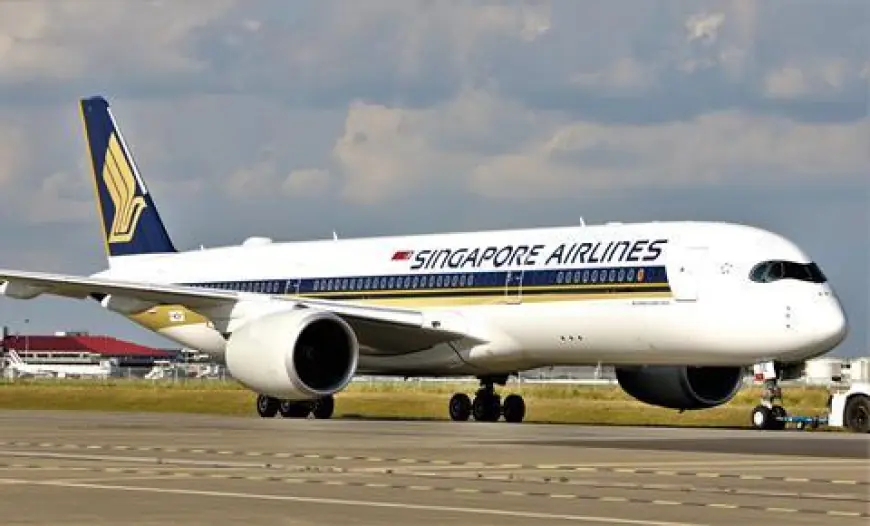

Malaysia Airlines and Singapore Airlines have finalized a long‑anticipated joint business agreement that is expected to significantly strengthen air connectivity across Southeast Asia while improving passenger choice, scheduling flexibility, and operational coordination between the two flag carriers.
The agreement formalizes closer cooperation between the airlines on routes linking Malaysia and Singapore, as well as selected onward destinations, allowing both carriers to coordinate schedules, pricing strategies, and capacity planning. For passengers, the partnership is designed to deliver smoother connections, improved flight frequencies, and expanded travel options across one of the world’s busiest aviation corridors.
Under the joint business framework, Malaysia Airlines and Singapore Airlines will align their commercial strategies on key routes, enabling coordinated timetable planning that reduces connection times and improves network efficiency. The arrangement also allows for shared revenue mechanisms on eligible routes, creating incentives for both carriers to jointly grow traffic rather than compete on overlapping services.
The Kuala Lumpur–Singapore air corridor remains one of the most heavily travelled international routes globally, serving both business and leisure demand. By deepening cooperation on this route and beyond, the two airlines aim to capture growing regional traffic while enhancing service consistency for frequent flyers and premium passengers alike. The agreement also supports stronger integration of loyalty programmes, enabling travelers to earn and redeem miles more seamlessly across both networks.
From an aviation industry perspective, the partnership reflects a broader trend among full‑service carriers in Asia‑Pacific toward deeper commercial cooperation as airlines seek to optimize capacity deployment and protect yields amid intense regional competition. Joint business agreements have increasingly become a strategic tool for airlines to strengthen market positions without pursuing full mergers, which often face regulatory and ownership constraints.
Operationally, the agreement is expected to enhance aircraft utilization and improve load factors on shared routes, supporting more sustainable network growth. Coordinated planning also enables both airlines to better respond to seasonal demand shifts, manage fleet deployment efficiently, and introduce new services with reduced commercial risk.
The timing of the agreement aligns with continued recovery and expansion in Southeast Asia’s aviation markets, where international travel demand has rebounded strongly. Both Malaysia Airlines and Singapore Airlines have been investing in fleet modernization, digital services, and product enhancements, positioning the joint business agreement as a complementary step toward long‑term growth.
Regulatory approvals and competition safeguards remain an integral part of the arrangement, with the airlines committing to compliance with applicable competition laws while maintaining independent brand identities and operational control. Industry observers note that such safeguards are critical to ensuring consumer benefits while preserving fair competition in regional markets.
As Southeast Asia continues to emerge as a key global aviation growth region, the finalized joint business agreement between Malaysia Airlines and Singapore Airlines is expected to play a meaningful role in shaping regional travel patterns. The partnership underscores the strategic importance of collaboration in delivering enhanced connectivity, operational resilience, and improved passenger experience across the region’s increasingly interconnected air transport network.