South Africa’s Star Air Launches B737-400 ACMI Passenger Operations
South Africa’s Star Air has launched B737-400 ACMI passenger operations, expanding capacity options for airlines amid rising regional travel demand.
 Jishan Khan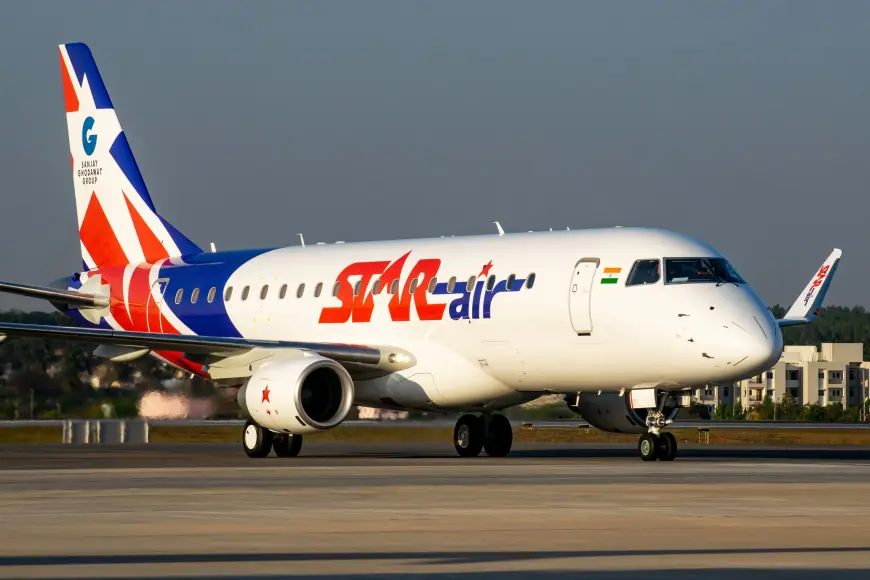

South Africa‑based Star Air has officially entered the passenger market with the launch of Boeing 737‑400 ACMI operations, marking a strategic expansion beyond its established aviation services portfolio. The move positions the carrier as a new capacity provider for airlines seeking short‑term or seasonal aircraft solutions across Africa and nearby regions.
The introduction of B737‑400 passenger services under an ACMI, or wet‑lease, model allows Star Air to supply aircraft, crew, maintenance, and insurance to partner airlines. This operational structure has gained renewed relevance as carriers grapple with fleet shortages, delivery delays, and fluctuating demand patterns. By offering ready‑to‑deploy narrowbody capacity, Star Air aims to support airlines that need immediate operational flexibility without long‑term capital commitments.
The Boeing 737‑400, part of the classic 737 family, remains a practical option for ACMI operators due to its proven reliability, solid range performance, and suitability for short‑ to medium‑haul routes. In the African market, where infrastructure limitations and variable demand persist, such aircraft continue to play a valuable role in sustaining regional connectivity and charter operations.
Star Air’s entry into passenger ACMI operations reflects broader trends across the global aviation industry, where wet leasing has become an essential tool for network stability. Airlines increasingly rely on ACMI providers to cover aircraft groundings, manage peak travel seasons, and maintain route continuity during fleet transitions. This demand has been particularly strong in emerging markets, including Africa, where traffic recovery and growth are outpacing new aircraft availability.
The company’s expansion also highlights the growing maturity of Africa’s aviation services sector. As passenger demand rebounds across key markets, regional airlines are under pressure to scale capacity quickly while managing costs and operational risks. ACMI partnerships offer a flexible solution, allowing airlines to respond to market opportunities without overextending financially.
From a competitive standpoint, Star Air’s move places it among a small but expanding group of African‑based ACMI operators capable of supporting passenger airlines at short notice. Industry observers note that locally positioned ACMI providers can offer logistical advantages, including faster deployment, regional operational familiarity, and cost efficiencies compared with operators based outside the continent.
The launch of passenger operations further diversifies Star Air’s revenue base and strengthens its role within the regional aviation ecosystem. As fleet constraints, maintenance bottlenecks, and supply‑chain disruptions continue to affect global aviation, demand for wet‑lease capacity is expected to remain robust through the near to medium term.
With its B737‑400 ACMI passenger debut, Star Air is positioning itself to capture opportunities created by Africa’s recovering and expanding air travel market. The development underscores how specialized operators are adapting to evolving airline needs, reinforcing the importance of operational flexibility in today’s dynamic aviation landscape.