Southwest Airlines Begins Assigned Seating Shift This Week
Southwest Airlines has begun rolling out assigned seating, marking a major operational shift from its long-standing open seating model.
 Jishan Khan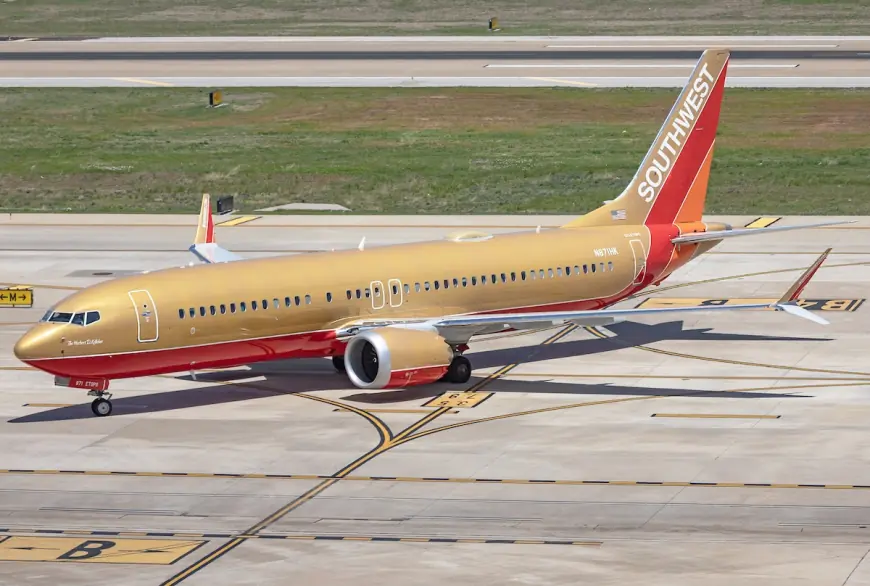

Southwest Airlines has begun implementing assigned seating across parts of its network this week, marking one of the most significant operational and cultural shifts in the carrier’s more than five decades of operations. The move signals a departure from Southwest’s long-standing open seating model, a defining feature of the airline since its founding in 1971.
The initial phase of assigned seating is being introduced on select routes as part of a phased rollout, allowing the Dallas-based carrier to test systems, crew procedures, and passenger response before broader network deployment. The change affects how passengers board aircraft and select seats, altering a process that has historically differentiated Southwest from other major US airlines.
For Southwest, the shift is closely tied to evolving customer expectations and competitive pressures. Assigned seating is widely used across US and global carriers, offering predictability for passengers, particularly families, business travelers, and those with specific seating preferences. Industry analysts note that the lack of assigned seats had increasingly become a friction point for some travelers, especially during peak travel periods.
Operationally, assigned seating has the potential to streamline boarding consistency and reduce gate-area congestion caused by early line formation under the open seating system. However, it also requires significant adjustments across reservation systems, mobile platforms, crew training, and airport coordination. Southwest operates an all-Boeing 737 fleet of more than 800 aircraft, amplifying the scale of any procedural change.
The airline has emphasised that the transition will be gradual, with customer feedback and operational data guiding future expansion. Southwest continues to maintain its core product elements, including no change fees and a two-free-checked-bags policy, as it recalibrates aspects of its passenger experience.
From a financial and competitive standpoint, assigned seating opens the door to more granular fare segmentation. While Southwest has not announced new seat-based pricing structures alongside the rollout, assigned seating creates a framework that could support differentiated offerings in the future, aligning the carrier more closely with broader US airline revenue models.
The change also reflects a broader industry trend toward harmonisation of passenger experience standards among major carriers. As low-cost and legacy airlines increasingly converge on similar cabin and booking practices, differentiation has shifted toward network breadth, reliability, and operational resilience rather than unique boarding philosophies.
For frequent Southwest flyers, the transition represents a notable adjustment after decades of familiarity with open seating. The airline has indicated it will continue to communicate clearly with customers during the rollout to minimise confusion and disruption.
As the assigned seating programme expands, regulators, airport operators, and competitors will be watching closely. The success or challenges of the transition could influence future strategic decisions not only at Southwest but also among other carriers balancing brand identity with changing market expectations.