SU-57 Fighter Jet Deal Could Put India at Risk as US Signals Possible Sanctions
India’s potential SU-57 fighter jet deal with Russia may trigger US sanctions, raising concerns over defense ties, CAATSA implications, and geopolitical risks.
 Jishan Khan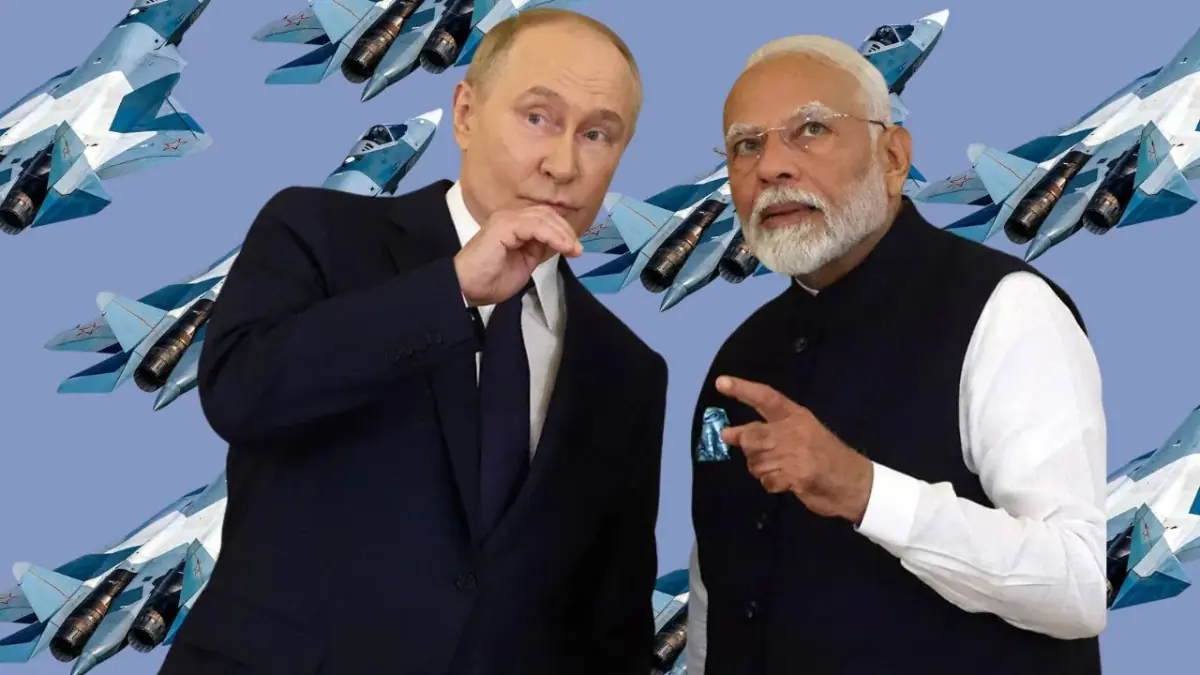

India’s potential agreement to acquire Russia’s advanced SU-57 fifth-generation fighter jet could expose the country to possible US sanctions, as Washington continues to enforce its Countering America’s Adversaries Through Sanctions Act (CAATSA). The development has raised fresh concerns over India’s defense procurement strategy and its impact on strategic relations with the United States.
The SU-57, Russia’s most advanced stealth fighter aircraft, has been positioned as a key option for strengthening India’s air combat capabilities amid growing regional security challenges. However, the United States has repeatedly warned that major defense transactions with Russia may trigger punitive measures under CAATSA, legislation designed to curb Moscow’s global arms exports.
US officials have signaled that while India remains a strategic partner, exceptions to CAATSA are not guaranteed. This creates uncertainty for New Delhi, which must balance its long-standing defense ties with Russia against expanding cooperation with the US and other Western allies.
Defense analysts suggest that any sanctions could impact military cooperation, technology transfers, and joint programs between India and the US. At the same time, India has emphasized its need for diversified defense sourcing to maintain operational readiness and strategic autonomy.
As discussions around the SU-57 deal continue, policymakers in New Delhi face a complex decision that will shape the future of India’s defense posture and its geopolitical positioning in an increasingly polarized global environment.