US Airline First Officer Salaries Rise in 2026 Amid Pilot Shortage and Contract Gains
US airline first officer salaries are increasing in 2026 as pilot demand, union contracts and industry competition drive higher pay for junior flight crew.
 Jishan Khan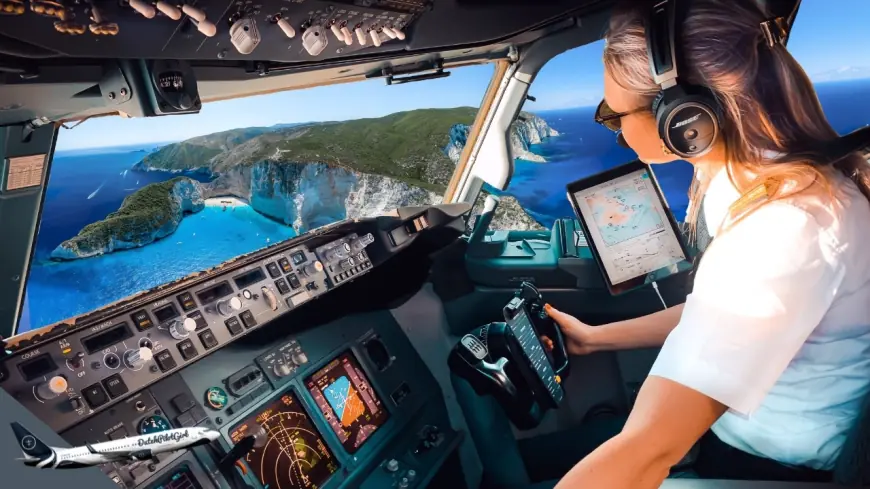

First officer salaries at US airlines are rising in 2026 as carriers compete for junior pilots against a backdrop of ongoing pilot shortages, new union contracts and broader labor market pressures.
Entry‑level first officers at major US network carriers now commonly earn base pay that places annual compensation well into six‑figure territory when block hours, per‑diem and bonuses are accounted for. At legacy airlines, senior first officers on narrow‑ and wide‑body aircraft see total pay climb with experience, reflecting contract provisions negotiated by pilot unions over recent years.
The pilot shortage that has affected global commercial aviation for much of the past decade remains a key driver of compensation growth. Recruiting and retaining qualified first officers — pilots certified to fly as co‑pilots on commercial jets — has become more challenging as airline networks expand and airline hiring accelerates in response to passenger demand.
Union negotiations at several major carriers have delivered step‑rate increases that raise hourly wages for first officers each year, often tied to longevity and aircraft type. Hourly pay rates for senior first officers on high‑demand aircraft such as the Airbus A320 family or Boeing 737 series can reach levels that, combined with annual block hours, generate six‑figure annual incomes.
Regional airlines, which continue to be a feeder tier for larger carriers, have also increased compensation to remain competitive. Improvements include base rate boosts and more predictable scheduling to reduce unpaid hours on the ground — a longstanding concern among junior pilots who are typically paid only for flight time.
Industry analysts say that compensation trends for first officers are also shaped by the broader labor market. With professional salaries rising in many sectors, including aviation‑related occupations such as air traffic control and maintenance, airlines have felt pressure to adjust pilot wages upward to attract candidates and reduce turnover.
Despite pay gains, pilot career progression remains structured, with first officers generally spending several years accruing hours and experience before upgrading to captain positions, which command significantly higher pay scales. First officers must also navigate training, simulator checks and regulatory currency requirements, which can influence annual take‑home pay depending on airline scheduling practices.
The Federal Aviation Administration’s regulations on flight duty time and rest also shape compensation outcomes, as longer routes and higher utilisation impact how many paid hours pilots can log within regulatory limits. Some airlines offer additional incentives for extended international operations or less‑desirable pairings to ensure coverage.
For the aviation industry, rising first officer salaries underscore how labor dynamics are shifting amid persistent pilot hiring demand and competitive compensation practices. As carriers balance cost pressures with operational needs, pay trends for first officers are expected to remain a focal point in airline labor planning and contract negotiations.