Wizz Air UK Seeks US Approval, Signaling Entry into Low‑Cost Transatlantic Market
Wizz Air UK has applied for US regulatory approval, a move that could enable low‑cost transatlantic flights and reshape long‑haul competition.
 Jishan Khan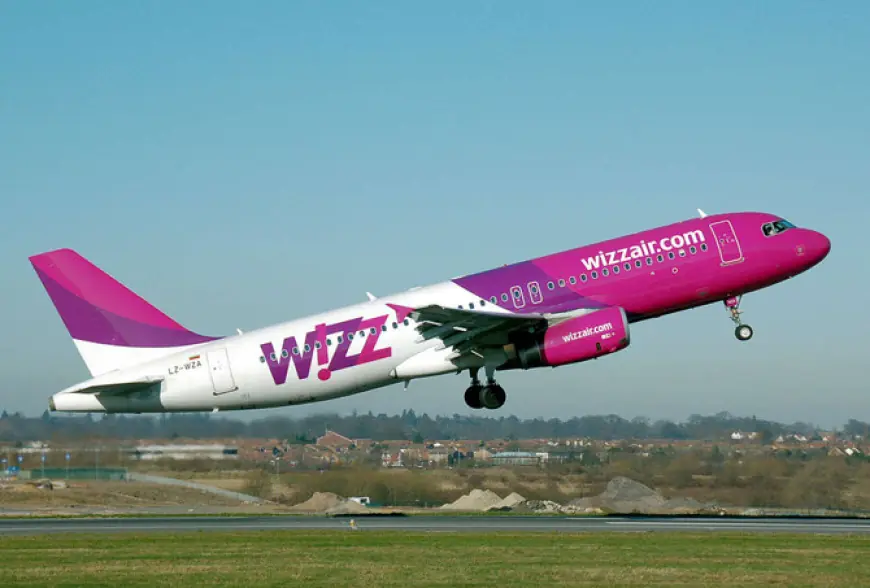

v
Wizz Air UK has applied for regulatory approval from the US Department of Transportation, a move that could allow the ultra‑low‑cost carrier to launch transatlantic services and challenge established airlines on long‑haul routes.
The application, filed by Wizz Air’s UK unit, seeks a foreign air carrier permit and exemption authority, enabling operations between the United Kingdom and the United States. If approved, the request would clear a key regulatory hurdle for Wizz Air to enter one of the world’s most competitive and strategically important aviation markets.
The move signals a potential expansion of Wizz Air’s business model beyond short‑ and medium‑haul European operations. The airline has been steadily building long‑haul capability through its Airbus A321XLR and A321LR orders, aircraft designed to support extended‑range flights with narrow‑body economics.
Industry analysts view the US application as a strategic option rather than an immediate launch commitment. Entering the transatlantic market would require careful network planning, fleet allocation and cost discipline, particularly given the operational complexity and yield volatility associated with long‑haul flying.
Wizz Air UK operates under a UK air operator certificate, allowing it to maintain access to international markets following Brexit. This structure provides flexibility to pursue routes outside the European Union while remaining compliant with bilateral air service agreements.
The transatlantic corridor is currently dominated by joint ventures involving major legacy carriers and their alliance partners, alongside a limited number of low‑cost operators experimenting with long‑haul models. Any entry by Wizz Air would intensify competition, particularly on price‑sensitive leisure routes.
From a regulatory perspective, approval by US authorities would also reflect confidence in Wizz Air UK’s safety oversight, financial fitness and operational standards. The review process typically assesses ownership structure, control, insurance coverage and compliance with US aviation regulations.
Wizz Air Group has consistently positioned itself as a cost leader, operating one of Europe’s youngest fleets and focusing on high aircraft utilisation. Extending this model to long‑haul markets would test its ability to manage crew duty limits, maintenance cycles and customer expectations on extended sectors.
The airline’s leadership has previously indicated interest in long‑range growth opportunities where narrow‑body aircraft economics can disrupt traditional wide‑body operations. Advances in aircraft efficiency and range have lowered entry barriers for carriers willing to accept lower unit revenues in exchange for volume growth.
For incumbent transatlantic airlines, the prospect of a new ultra‑low‑cost entrant adds another variable to an already competitive landscape shaped by capacity expansion, sustainability pressures and fluctuating demand. Airport operators, particularly secondary and cost‑focused gateways, may also see opportunities to attract new long‑haul services.
While timelines remain uncertain, Wizz Air UK’s regulatory filing underscores a broader industry trend: the gradual erosion of traditional long‑haul market barriers as aircraft technology and airline strategies evolve. The outcome of the US approval process will be closely watched by competitors, regulators and investors alike.