61% of Indian Diners Seek Interactive Restaurant Experiences
A new industry report reveals 61% of Indian diners prefer interactive elements such as open kitchens and chef engagement, reshaping restaurant design and service strategies.
 Prajakta Sanjay Warwadkar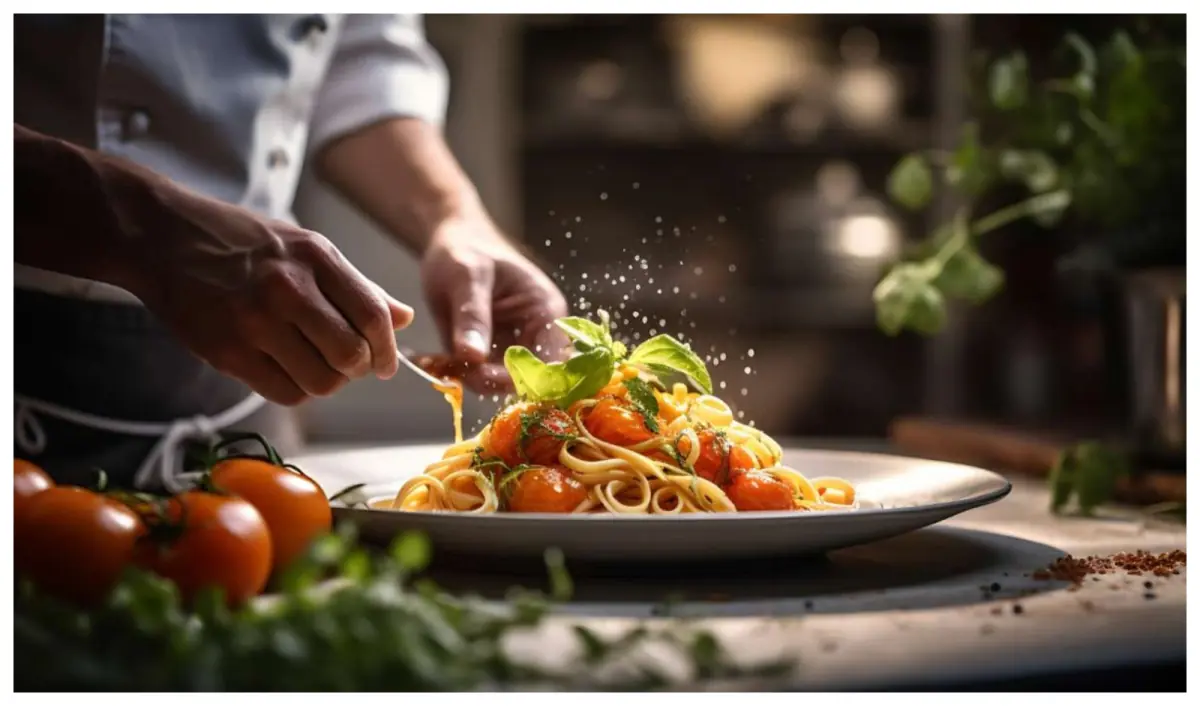

Interactive Dining Emerges as a Key Preference Among Indian Consumers
A growing shift in consumer expectations is redefining the Indian restaurant landscape, with a majority of diners now prioritising experience alongside food quality. According to a recent industry report, 61 percent of Indian diners value interactive elements such as open kitchens, live cooking stations, and direct engagement with chefs when choosing where to dine. This trend highlights a fundamental change in how Indian consumers perceive restaurants. Dining out is increasingly viewed as an experience-driven activity rather than a transactional meal, prompting operators to rethink space design, service formats, and guest engagement strategies.
From Passive Dining to Participatory Experiences
The preference for interactive elements reflects a broader global movement toward experiential dining, now firmly taking root in India’s urban and semi-urban markets. Open kitchens, chef’s tables, and live culinary counters allow guests to witness food preparation, reinforcing transparency, freshness, and craftsmanship. For many diners, especially younger consumers, these features foster trust and emotional connection. Seeing chefs at work adds a sense of theatre and authenticity, transforming a meal into a memorable event rather than a routine outing.
Why Open Kitchens Matter to Indian Diners
Open kitchens resonate strongly in a market where hygiene, ingredient quality, and food safety are increasingly top of mind. Visibility into kitchen operations reassures guests and reinforces brand credibility, particularly in a post-pandemic environment where cleanliness remains a critical concern. Beyond hygiene, open kitchens humanise the dining experience. They create opportunities for informal interaction, allow chefs to showcase their skills, and enable restaurants to tell their culinary story in real time.
Chef Interaction as a Value Driver
The report also underlines growing consumer interest in direct chef interaction. Whether through menu explanations, table visits, or live demonstrations, diners appreciate personal engagement that enhances understanding of ingredients, techniques, and cultural context. This shift elevates the role of chefs from behind-the-scenes operators to brand ambassadors. For restaurants, this creates opportunities to differentiate, build loyalty, and justify premium pricing through storytelling and expertise.
Design and Layout Implications for Restaurants
As interactive dining gains traction, restaurant design is evolving to support visibility and engagement. Layouts increasingly prioritise open-plan kitchens, counter seating, and flexible spaces that encourage movement and interaction. While these designs can increase upfront costs and operational complexity, they often deliver long-term benefits through higher footfall, longer dwell time, and stronger word-of-mouth marketing.
Impact on Staffing and Training
Interactive formats demand a different skill set from hospitality teams. Chefs and service staff must be comfortable engaging with guests, explaining dishes, and representing the brand with confidence. This trend is influencing recruitment and training priorities, with greater emphasis on communication skills, presentation, and guest interaction alongside technical culinary expertise.
Changing Consumer Demographics and Expectations
The rise of experiential dining is closely linked to India’s young, urban demographic, which values novelty, transparency, and social experiences. Social media has amplified this shift, as visually engaging kitchens and chef interactions translate into shareable content. Restaurants that successfully integrate interactive elements are often rewarded with stronger digital visibility and organic brand advocacy from diners.
Opportunities for Restaurant Operators
For operators, the findings signal an opportunity to rethink value propositions. Interactive elements can serve as powerful differentiators in a competitive market, particularly for mid-scale and premium dining concepts. However, execution remains critical. Poorly designed open kitchens or forced interactions can detract from the guest experience, underscoring the need for thoughtful planning and operational discipline.
Looking Ahead
As consumer expectations continue to evolve, interactive dining is likely to become a standard feature rather than a novelty. Restaurants that adapt early by integrating transparency, engagement, and experiential design will be better positioned to capture long-term loyalty. The report’s findings reinforce a clear message for the industry: in today’s Indian dining market, how food is prepared and presented matters almost as much as what is served.