Crest Taco Kiosk Revives Iconic Hillcrest Landmark with Fresh Vision and Community Focus
Crest Taco Kiosk reopens in Hillcrest, blending nostalgic charm with modern flavors while revitalizing a beloved San Diego neighborhood dining landmark.
 Prajakta Sanjay Warwadkar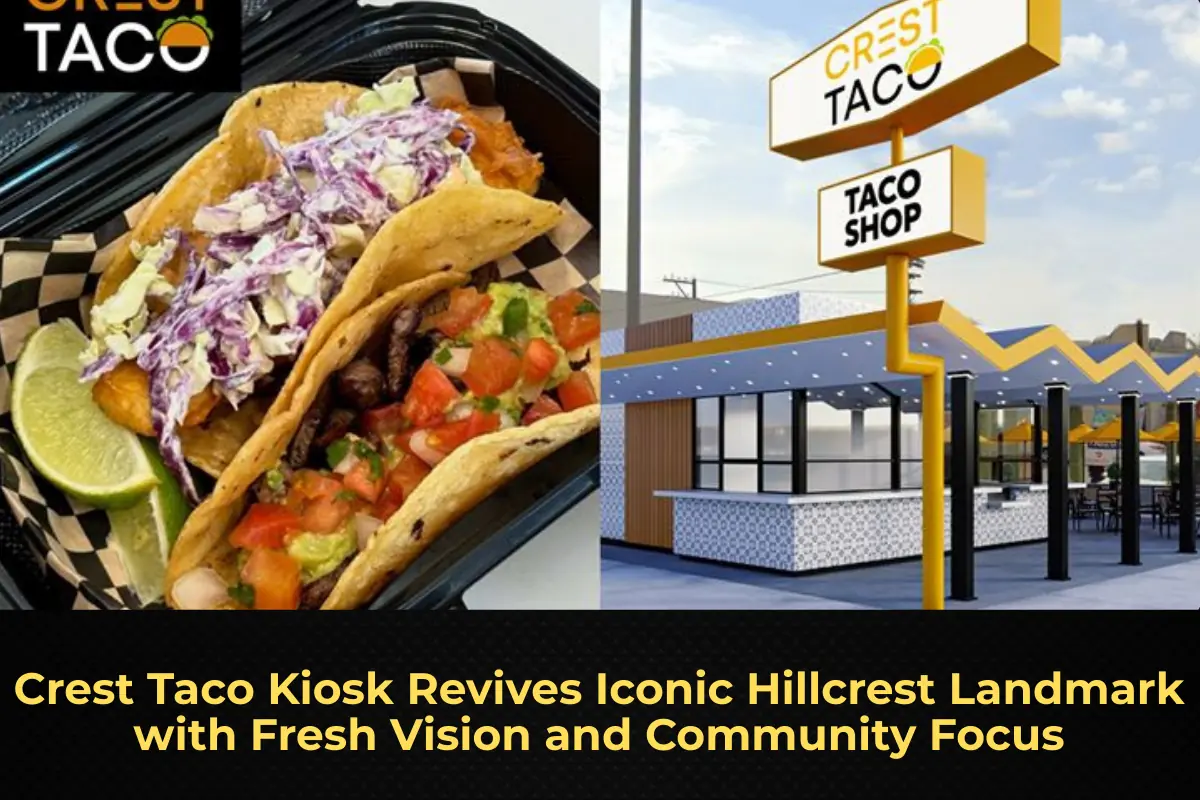

Reviving a Neighborhood Icon with a Contemporary Twist
The reopening of Crest Taco Kiosk marks a significant moment for the vibrant dining culture of. Once a familiar fixture in the neighborhood, the kiosk is returning with a renewed identity that blends nostalgia, modern culinary ideas, and a deep commitment to community engagement. The revival reflects a broader movement within the hospitality industry where beloved local landmarks are being thoughtfully restored to meet evolving consumer expectations while preserving their historical essence.
This reopening is not merely about bringing back a food outlet; it represents the restoration of a cultural touchpoint that has long been associated with everyday dining, casual gatherings, and neighborhood pride. The new version of the kiosk aims to balance its heritage with a forward-looking approach that aligns with contemporary food trends and service standards.
The Historical Significance of the Hillcrest Landmark
For years, the original kiosk served as a recognizable part of the Hillcrest streetscape. It was known for its approachable menu, quick service, and welcoming atmosphere that appealed to both local residents and visitors. Over time, it became more than just a place to grab a quick meal; it turned into a social anchor where conversations, routines, and shared memories were formed.
As urban dining landscapes change, many such small establishments face closure due to rising costs, shifting consumer preferences, and redevelopment pressures. The decision to revive the kiosk highlights the value placed on preserving neighborhood identity. It demonstrates how the hospitality sector can play a role in safeguarding local heritage while still evolving to meet modern operational demands.
The restoration of this landmark also underscores the importance of emotional connection in hospitality. Restaurants that succeed over decades often do so not only because of their menu offerings but because of the memories they create for their communities. By reopening, the kiosk is reclaiming its role as a familiar and trusted presence within the local dining ecosystem.
Blending Nostalgia with Contemporary Dining Trends
One of the key challenges in reviving a historic food establishment is striking the right balance between tradition and innovation. The new vision for the kiosk reflects an understanding that today’s diners seek authenticity alongside freshness and creativity. As a result, the concept retains recognizable elements of its past while introducing updated menu ideas, improved operational efficiency, and a refreshed design aesthetic.
The menu is expected to highlight classic taco offerings that once defined the kiosk’s identity while incorporating modern flavors, diverse ingredient choices, and options that cater to changing dietary preferences. This dual approach allows the business to appeal to longtime patrons who value nostalgia while attracting a younger audience that prioritizes variety and culinary experimentation.
Design upgrades are also part of the transformation. Contemporary hospitality spaces increasingly emphasize visual appeal, convenience, and sustainability. By integrating modern design elements with subtle references to its historic roots, the kiosk aims to create an environment that feels both familiar and new.
Community-Centric Approach to Hospitality
A defining feature of the kiosk’s revival is its emphasis on community involvement. Rather than positioning itself as just another quick-service outlet, the establishment seeks to function as a gathering space that encourages local interaction. This approach aligns with a growing industry trend in which restaurants act as community hubs, hosting small events, supporting neighborhood initiatives, and collaborating with nearby businesses.
The decision to reestablish operations in Hillcrest reflects confidence in the area’s strong community-driven dining culture. The neighborhood is widely recognized for its diverse population, lively streets, and active social scene, making it an ideal location for a concept rooted in accessibility and familiarity. By reinforcing ties with local residents, the kiosk strengthens its chances of long-term sustainability and relevance.
In addition to serving food, the establishment is expected to contribute to the local economy through employment opportunities, partnerships with regional suppliers, and participation in neighborhood events. Such integration enhances its role as a responsible and engaged hospitality operator.
The Role of Local Landmarks in Urban Dining Culture
Urban neighborhoods often rely on small, recognizable food establishments to maintain their cultural character. These landmarks provide continuity amid rapid development and shifting commercial landscapes. The revival of the kiosk demonstrates how restoring a well-known venue can reinvigorate interest in local dining while preserving the area’s unique identity.
For hospitality professionals, this case highlights the strategic value of investing in heritage properties. Rather than developing entirely new concepts, restoring an existing landmark can generate immediate emotional resonance with the community. It allows businesses to build upon established brand recall while introducing innovations that keep the concept competitive.
Moreover, such projects often generate positive media attention and word-of-mouth promotion, as they appeal to both nostalgia and curiosity. Guests who remember the original establishment may return out of sentiment, while new diners visit to experience a piece of local history presented through a modern lens.
Operational Strategy and Market Positioning
The kiosk’s reopening reflects careful planning in terms of operational efficiency and market positioning. Quick-service formats remain highly relevant in urban environments where consumers value convenience and speed without compromising on taste and quality. By focusing on streamlined service, the establishment can cater to busy professionals, students, and tourists seeking accessible yet flavorful dining options.
At the same time, the concept positions itself as more than just a fast-food outlet. By emphasizing fresh ingredients, thoughtful preparation, and a connection to local heritage, it occupies a niche between traditional quick-service restaurants and casual dining establishments. This hybrid positioning allows the kiosk to appeal to a broad demographic while maintaining a distinctive identity.
Pricing strategy is also expected to play a crucial role. Maintaining affordability while ensuring operational sustainability requires careful cost management, supplier relationships, and efficient staffing models. The ability to balance these factors will determine the long-term success of the revived concept.
Enhancing Guest Experience Through Design and Service
Modern hospitality consumers place significant value on overall experience, not just the food itself. Recognizing this, the new iteration of the kiosk is likely to focus on enhancing guest satisfaction through improved service processes, intuitive ordering systems, and inviting seating arrangements. Even in compact formats, thoughtful layout design can greatly influence how guests perceive comfort and accessibility.
Customer service training will also be a key component of the operation. Friendly interactions, prompt order fulfillment, and consistent quality control contribute to positive guest perceptions that encourage repeat visits. In neighborhood-driven establishments, personal rapport between staff and regular customers often becomes a defining element of brand loyalty.
Supporting the Evolving Taco and Street Food Market
The revival of a taco-focused kiosk aligns with the continued popularity of street food-inspired dining concepts. Tacos remain one of the most adaptable and widely loved formats in the global foodservice market, capable of accommodating diverse fillings, regional influences, and creative presentation styles. This flexibility enables operators to continuously refresh offerings without losing their core identity.
By positioning itself within this dynamic segment, the kiosk benefits from strong consumer demand while maintaining room for menu experimentation. Seasonal specials, limited-time flavors, and collaborations with local chefs can further enhance its appeal and keep the dining experience engaging for repeat guests.
Economic and Cultural Impact on the San Diego Dining Scene
The reopening of the kiosk contributes to the broader hospitality landscape of, a city known for its diverse culinary offerings and strong emphasis on local dining culture. Revitalizing a neighborhood landmark adds depth to the city’s restaurant portfolio, reinforcing its reputation as a destination that values both innovation and tradition.
Economically, such projects stimulate local activity by attracting foot traffic, encouraging nearby business patronage, and creating employment opportunities. Culturally, they strengthen neighborhood identity by preserving spaces that hold sentimental value for residents.
For the wider industry, this development illustrates how small-format establishments can remain competitive through thoughtful reinvention. Instead of expanding solely through new locations, operators can also focus on restoring and modernizing existing assets to achieve sustainable growth.
Lessons for Hospitality Entrepreneurs
The kiosk’s revival offers several practical insights for entrepreneurs in the restaurant sector. First, understanding the emotional value of a brand can be as important as analyzing market data. Concepts with historical significance often carry built-in customer loyalty that can be leveraged during relaunches.
Second, adaptability remains essential. Updating menus, design elements, and operational workflows ensures that a revived concept does not feel outdated but instead resonates with contemporary dining expectations. Balancing authenticity with innovation is crucial in maintaining relevance.
Third, community integration should be treated as a strategic priority rather than an afterthought. Engaging with local residents, participating in neighborhood initiatives, and supporting community events can create strong goodwill that translates into long-term customer support.
Future Outlook and Growth Potential
Looking ahead, the success of the kiosk will depend on its ability to maintain consistency while continuing to evolve. Sustaining quality, refreshing menu offerings, and nurturing strong community relationships will be essential for long-term stability. If these elements are managed effectively, the establishment could serve as a model for similar revival projects in other neighborhoods.
There is also potential for measured expansion through pop-up collaborations, catering services, or participation in local food festivals. Such initiatives can extend brand visibility without diluting the intimate neighborhood-focused identity that defines the kiosk’s appeal.
Conclusion
The return of Crest Taco Kiosk represents more than a reopening; it symbolizes the revival of a cherished community landmark and a renewed commitment to accessible, high-quality dining. By combining nostalgic charm with modern culinary thinking and strong local engagement, the kiosk demonstrates how heritage-driven concepts can remain relevant in an ever-changing hospitality landscape.
For Hillcrest and the wider San Diego dining scene, the project highlights the enduring importance of preserving neighborhood institutions while adapting them for contemporary audiences. As guests once again gather around this revived landmark, the kiosk stands as a reminder that the future of hospitality often lies in honoring the past while embracing thoughtful innovation.