Syrian Refugee Chef’s Journey Leads to a Remarkable Meeting with King Charles
A Syrian refugee chef’s inspiring journey through hardship and hospitality culminates in a significant meeting with King Charles, highlighting resilience, cultural exchange, and the power of food.
 Prajakta Sanjay Warwadkar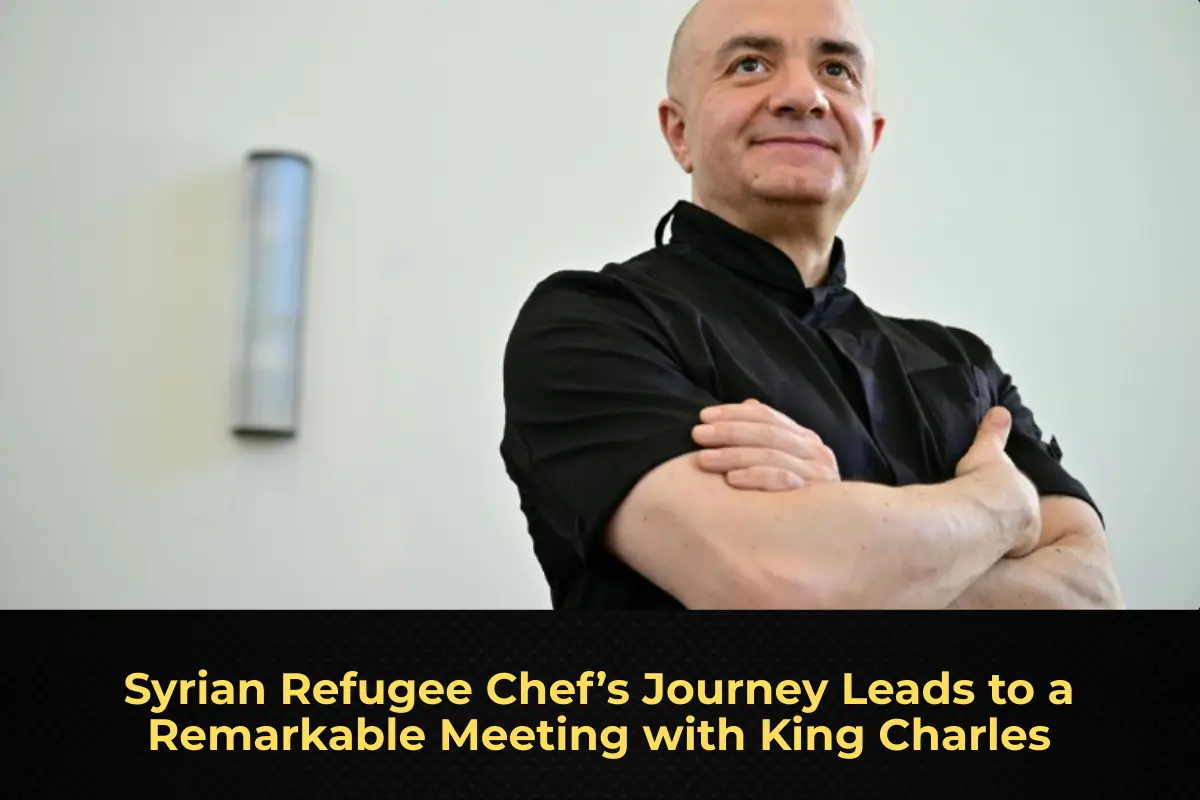

The Power of Food to Bridge Cultures and Transform Lives
The global hospitality industry has long been shaped by stories of migration, resilience, and reinvention. Among these narratives, the journey of a Syrian refugee chef who eventually met stands out as a compelling example of how culinary talent, determination, and cultural heritage can intersect to create meaningful change. This story is not only about a personal achievement but also about how food can serve as a universal language that connects people across borders, backgrounds, and experiences.
For many displaced individuals, rebuilding life in a new country involves overcoming language barriers, financial challenges, and emotional trauma. Yet, the hospitality sector often provides an entry point where skills, passion, and dedication can transcend these barriers. The Syrian chef’s path reflects this truth, demonstrating how kitchens can become spaces of healing, innovation, and opportunity.
From Displacement to Determination
The chef’s journey began amid conflict and uncertainty in Syria, where everyday life was disrupted by instability. Forced to leave home in search of safety, the chef embarked on a difficult journey toward refuge. Like many displaced individuals, this transition involved leaving behind not only physical belongings but also cherished traditions, professional networks, and a sense of normalcy.
Upon arriving in a new country, the chef faced the daunting task of starting from scratch. Adapting to a new environment required learning unfamiliar systems, understanding new cultural expectations, and rebuilding confidence. Despite these challenges, the chef remained deeply connected to culinary roots, drawing strength from family recipes, traditional techniques, and memories of communal meals that once defined home life.
This determination became the foundation for a new chapter. The kitchen, once a place of routine in Syria, transformed into a platform for expression and survival. Through cooking, the chef could preserve cultural identity while simultaneously adapting to new tastes and market demands.
Entering the Hospitality Industry
Breaking into the hospitality sector is rarely easy for newcomers, especially refugees who often lack local experience and professional recognition. However, the chef’s unwavering commitment to culinary excellence gradually opened doors. Starting with entry-level roles in restaurant kitchens, the chef focused on mastering operations, understanding ingredient sourcing, and building relationships with colleagues and mentors.
Over time, consistent performance, creativity, and a collaborative attitude began to attract attention. The chef’s ability to combine traditional Syrian flavors with contemporary presentation styles created dishes that resonated with diverse diners. This fusion approach reflected a broader trend in modern hospitality, where authenticity and innovation coexist to meet evolving consumer expectations.
As the chef gained confidence, opportunities expanded. From assisting senior chefs to contributing ideas for menu development, the journey evolved from survival to growth. Each step reinforced the belief that food could not only sustain livelihood but also tell stories of resilience and cultural richness.
Culinary Identity and Cultural Representation
One of the most powerful aspects of the chef’s journey was the preservation and reinterpretation of Syrian culinary traditions. Dishes rooted in heritage became tools for storytelling, allowing guests to experience flavors shaped by centuries of history. By introducing these dishes to new audiences, the chef contributed to a broader understanding of Middle Eastern cuisine beyond stereotypes.
In the hospitality industry, cultural representation is more than a marketing strategy; it is a way to foster empathy and connection. Guests who encountered the chef’s creations often engaged in conversations about ingredients, cooking methods, and the cultural significance behind each dish. These interactions turned dining experiences into educational and emotional exchanges.
The chef’s approach aligned with a growing global movement that values authenticity and inclusivity in dining. Restaurants increasingly seek to highlight diverse culinary voices, recognizing that multicultural menus reflect the realities of modern societies.
Recognition and Professional Growth
With persistence and passion, the chef’s reputation continued to grow. Industry professionals, food critics, and community members began acknowledging the unique perspective brought into the kitchen. This recognition was not limited to culinary skill alone but also included the chef’s ability to inspire teams and contribute to positive workplace cultures.
Professional growth in hospitality often involves more than mastering recipes. Leadership, adaptability, and emotional intelligence play critical roles in managing diverse teams and delivering consistent guest experiences. The chef’s lived experiences as a refugee added depth to leadership style, fostering empathy and resilience within the workplace.
As opportunities expanded, the chef participated in culinary events, collaborations, and community initiatives that supported integration and cultural exchange. These platforms allowed the chef to share not only dishes but also personal stories that resonated with audiences from various backgrounds.
The Meeting with King Charles
The culmination of this inspiring journey came with the opportunity to meet. This meeting symbolized more than a personal milestone; it represented recognition of the broader contributions that refugee chefs bring to the hospitality landscape. The interaction highlighted how culinary talent can transcend political and social boundaries, fostering dialogue and mutual respect.
Such meetings often emphasize the importance of supporting inclusive initiatives within the hospitality industry. By acknowledging the achievements of refugee professionals, public figures help spotlight the value of diversity and the positive impact of providing opportunities to displaced individuals.
For the chef, the meeting served as a moment of validation and encouragement. It reinforced the idea that perseverance, when combined with passion, can transform even the most challenging circumstances into meaningful accomplishments.
Impact on the Hospitality Industry
The chef’s story carries broader implications for the global hospitality sector. As migration continues to shape workforce dynamics, restaurants and hotels increasingly rely on diverse talent pools. Refugee professionals often bring unique perspectives, traditional knowledge, and strong work ethics that enrich service standards and culinary creativity.
By embracing such talent, hospitality businesses can enhance menu diversity, improve team cohesion, and strengthen connections with multicultural customer bases. Additionally, inclusive hiring practices contribute to social responsibility goals, demonstrating that the industry can play a role in addressing global humanitarian challenges.
This narrative also highlights the importance of mentorship and structured training programs. When experienced chefs and managers invest in developing refugee talent, they not only help individuals succeed but also create more resilient and innovative teams.
The Role of Community Support
Behind every success story lies a network of support. Community organizations, training institutes, and industry mentors played crucial roles in enabling the chef’s journey. These entities provided language training, skill certification opportunities, and platforms to showcase culinary expertise.
Such support systems are essential for facilitating smoother integration into the workforce. They help bridge gaps in qualifications, build confidence, and create pathways for career progression. The chef’s experience underscores how collaboration between community groups and hospitality businesses can produce long-term positive outcomes.
Moreover, customers themselves became part of this support network. By embracing diverse cuisines and engaging with the chef’s story, diners contributed to an environment where cultural exchange was celebrated rather than resisted.
Food as a Tool for Social Change
Food possesses a unique ability to transcend differences and create shared experiences. The chef’s journey illustrates how culinary practices can become instruments of social change, challenging preconceived notions about refugees and showcasing their contributions to society.
Through thoughtfully prepared meals, the chef conveyed messages of resilience, heritage, and hope. Each dish served as a reminder that behind every recipe lies a personal narrative shaped by experiences, traditions, and aspirations. This realization encouraged diners to view food not merely as consumption but as a medium for understanding diverse human experiences.
Lessons for Future Hospitality Professionals
The journey offers several key lessons for aspiring chefs and hospitality professionals. First, adaptability is essential in an ever-evolving industry. The ability to adjust techniques, menus, and service styles to suit new environments can open unexpected opportunities.
Second, authenticity remains a powerful asset. Rather than abandoning cultural roots, the chef leveraged them as a strength, demonstrating that unique culinary identities can differentiate professionals in competitive markets.
Third, resilience and continuous learning are indispensable. The hospitality sector demands long hours, teamwork, and constant innovation. Overcoming personal hardships while maintaining professional excellence requires determination and a willingness to grow.
A Symbol of Hope and Opportunity
The story of the Syrian refugee chef meeting ultimately symbolizes hope for countless individuals striving to rebuild their lives through hospitality. It reinforces the idea that the industry is not merely about food and service but also about human connection, empathy, and transformation.
As global mobility continues to influence labor markets, the hospitality sector will likely play an even greater role in providing inclusive employment opportunities. Stories like this encourage businesses to recognize the potential within diverse talent pools and to foster environments where every professional can thrive.
Conclusion
The journey from displacement to recognition reflects the profound impact that dedication, cultural pride, and opportunity can have on an individual’s life. By turning adversity into motivation, the chef demonstrated how culinary excellence can transcend borders and inspire meaningful change.
Meeting was not just a ceremonial moment but a testament to the transformative power of hospitality. It highlighted the value of embracing diversity, investing in talent development, and recognizing the human stories that shape the global dining landscape.
For the hospitality industry, this narrative serves as both inspiration and a call to action. By continuing to support inclusive practices, celebrate cultural heritage, and nurture emerging talent, the sector can remain a dynamic force that unites people through the universal language of food.