Air Inuit Unveils Boeing 737-800NG Combi on Montreal–Kuujjuaq Route
Air Inuit deploys a Boeing 737-800NG combi aircraft on the Montreal–Kuujjuaq route, boosting capacity and enhancing cargo and passenger flexibility.
 Jishan Khan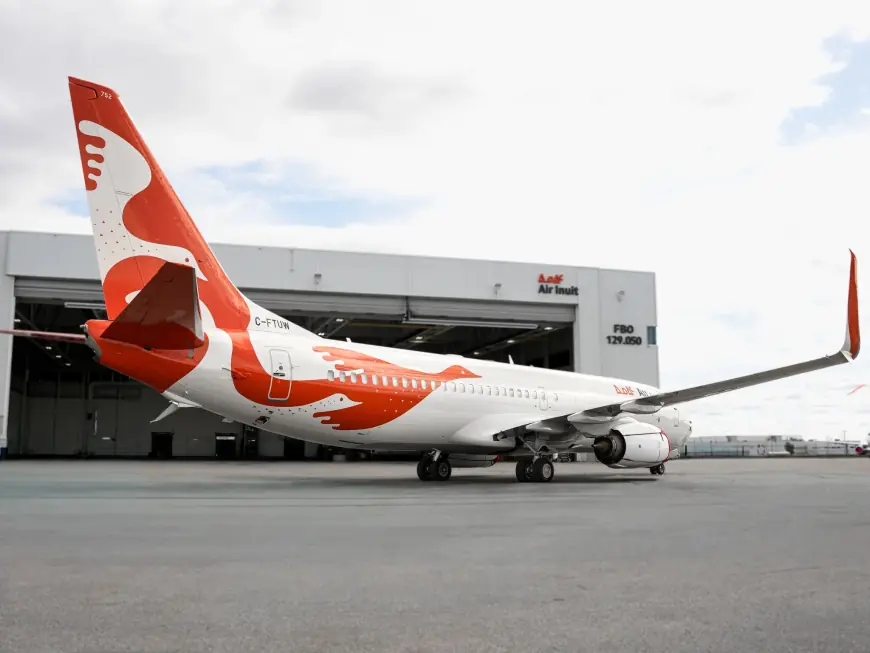
Air Inuit has placed a Boeing 737-800NG combi aircraft into service on its Montreal to Kuujjuaq route, signalling a strategic enhancement in capacity and operational flexibility for its Arctic network.
The introduction of the combi aircraft represents a tangible upgrade in Air Inuit’s equipment profile, replacing smaller turboprop types and aligning the airline with regional demand that combines passenger movements with significant cargo requirements. The 737-800NG combi configures space to carry both freight and passengers side by side on the main deck, optimising yield on remote sectors where supply chain logistics are critical.
The Montreal–Kuujjuaq corridor serves both commercial travellers and essential supply chains into Nunavik, the northern region of Quebec where communities rely on air services for everything from mail and perishables to healthcare transport and business travel. By deploying the combi aircraft, Air Inuit aims to reduce unit costs while improving schedule reliability and cargo throughput.
Operationally, the Boeing 737-800NG combi supports up to approximately 150 passengers in a mixed configuration, along with a flexible freight load that can be adjusted depending on seasonal demand. This versatility is especially pertinent in Arctic operations where bulk cargo — including building materials, heavy equipment, and food supplies — must reach isolated communities efficiently and safely.
Air Inuit’s strategic fleet move also ties into broader considerations around regional connectivity and infrastructure. As northern communities experience modest economic growth and tourism interest rises, the need for robust, reliable air links becomes more acute. Larger combi aircraft can help airlines maintain profitable services on thin routes by leveraging cargo uplift to subsidise passenger frequencies when needed.
The Inuit-owned carrier, which specialises in northern Canadian air transport, has operated for decades across Quebec and Nunavut, evolving its fleet to meet the unique environmental and logistical challenges of Arctic aviation. Its continued investment in newer, larger platforms demonstrates a commitment to operational resilience and community service, even as weather and airport infrastructure constraints persist.
For regulators and airfield operators, the deployment of a Boeing 737-800NG on regional routes also necessitates readiness in ground handling, runway performance evaluation, and safety oversight. Aircraft of this size demand specific support capabilities that can differ from those required by turboprop fleets, particularly at remote airports with limited technical services.
Industry observers note that the combi model remains an effective solution for airlines with mixed traffic profiles, especially in markets where passenger volumes alone may not sustain larger jets. By integrating freight and people transport, carriers can maintain frequency, improve load factors, and enhance overall network economics.
Air Inuit’s launch of the Boeing 737-800NG combi aircraft on the Montreal–Kuujjuaq route thus reflects both tactical network planning and long-term route viability strategy, positioning the airline to better serve Arctic communities while strengthening its standing in Canada’s regional aviation sector.