Bengaluru Gets a Café Chain Betting on Sugar- and Maida-Free Dining
A new cafe chain in Bengaluru is building its brand around sugar-free and Maida-free menus, tapping into India’s fast-evolving health-focused dining market.
 Prajakta Sanjay Warwadkar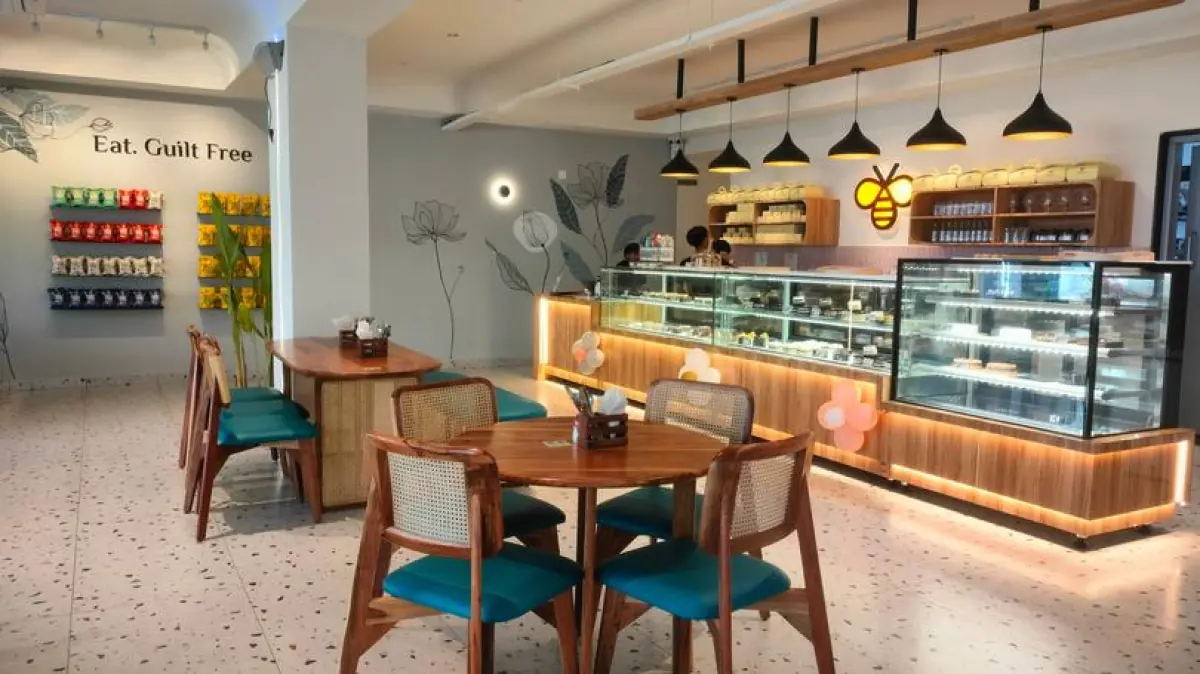

A Health-First Cafe Concept Takes Shape in Bengaluru
Bengaluru’s food and beverage landscape has long been known for its openness to experimentation, global influences, and early adoption of lifestyle-driven trends. The city is now seeing the emergence of a cafe chain that places sugar-free and Maida-free food at the centre of its identity, positioning itself firmly within India’s growing clean-eating movement. Unlike restaurants that offer healthier alternatives as a side note, this new cafe chain is structured around the idea that indulgence and restraint do not need to be opposing forces. By eliminating refined sugar and Maida from its core menu, the brand is attempting to normalise a way of dining that appeals to both health-conscious consumers and everyday cafe-goers.
Responding to Shifting Consumer Priorities
Across urban India, consumer attitudes towards food are undergoing a noticeable shift. Diners are paying closer attention to ingredient lists, sourcing practices, and long-term wellness impacts. Bengaluru, with its mix of young professionals, fitness communities, and startup-driven lifestyles, has emerged as a testing ground for such concepts. The cafe chain’s decision to go sugar-free and Maida-free reflects a response to increasing concerns around lifestyle-related conditions, rising awareness of gut health, and the desire for sustained energy rather than short-term indulgence. Instead of marketing these choices as dietary restrictions, the brand frames them as everyday upgrades to familiar comfort foods.
Redefining Cafe Staples Without Refined Ingredients
Cafes traditionally rely heavily on refined flour and sugar, particularly for baked goods, desserts, and beverages. Removing these elements presents both a creative challenge and an operational one. The Bengaluru-based chain has focused on reworking familiar items such as cakes, cookies, breads, and beverages using alternative flours, natural sweeteners, and carefully balanced recipes. This approach allows the menu to remain accessible while subtly changing the nutritional profile of each dish. Rather than positioning itself as niche or medicalised, the cafe aims to feel welcoming to customers who may not actively seek out “health food” but are open to better-for-you choices.
Targeting a Broad, Urban Audience
One of the notable aspects of the concept is its broad target audience. The cafe does not exclusively cater to fitness enthusiasts or those with strict dietary needs. Instead, it positions itself as a neighbourhood cafe that happens to serve food without refined sugar and maida. This strategy allows the brand to tap into multiple customer segments, including working professionals looking for lighter meals, families seeking balanced options, and younger diners interested in mindful eating without sacrificing taste. By avoiding extreme positioning, the cafe increases its relevance in a competitive market.
Bengaluru as a Strategic Launch Market
Launching in Bengaluru provides several strategic advantages. The city has a high density of cafes, co-working spaces, and social dining venues, creating both intense competition and strong demand. Consumers are accustomed to experimenting with new formats, making them more receptive to differentiated offerings. Additionally, Bengaluru’s reputation as a health-forward city, with widespread adoption of fitness regimes and wellness lifestyles, aligns closely with the cafe chain’s core proposition. This environment allows the brand to test menu innovations, pricing strategies, and customer response before considering expansion to other markets.
Operational Challenges Behind the Concept
Operating a sugar-free and maida-free cafe at scale presents challenges that go beyond menu design. Ingredient sourcing, consistency in taste, shelf life of products, and staff training all require careful management. Alternative flours and natural sweeteners often come with higher costs and different handling requirements. The cafe chain’s ability to maintain quality while keeping prices competitive will be a critical factor in its long-term viability. Balancing cost structures with consumer expectations remains one of the biggest hurdles for health-focused food businesses in India.
Positioning in a Crowded Cafe Market
Bengaluru’s cafe sector is crowded with both independent outlets and established chains, many of which already offer vegan, gluten-free, or low-sugar options. The challenge for the new entrant lies in clearly communicating its value proposition without blending into the background. By making sugar-free and maida-free food a non-negotiable standard rather than an optional feature, the brand differentiates itself at a structural level. This clarity in positioning may help it stand out in a market where health claims are often used selectively for marketing.
Clean Eating as a Commercial Strategy
The rise of clean eating has moved beyond niche communities into mainstream consumption. What was once seen as a premium or alternative lifestyle is increasingly becoming part of everyday decision-making for urban consumers. Cafe chains that successfully integrate health principles into familiar formats are better positioned to capture repeat footfall. For this Bengaluru-based cafe chain, clean eating is not just a philosophy but a commercial strategy. By embedding it into operations, menu planning, and brand communication, the business aims to build trust and long-term loyalty rather than relying on novelty alone.
Potential for Expansion Beyond Bengaluru
If the concept proves scalable, the cafe chain could find opportunities in other metropolitan markets such as Mumbai, Delhi NCR, Hyderabad, and Pune. These cities share similar consumer profiles, with growing demand for healthier dining options and openness to new formats. Expansion, however, will depend on the brand’s ability to replicate its ingredient sourcing and quality control across locations. Maintaining consistency while adapting to regional tastes will be essential as the brand looks beyond its home market.
Implications for India’s Cafe and QSR Sector
The emergence of sugar-free and maida-free cafe chains reflects a broader evolution within India’s cafe and quick-service restaurant sector. As consumers become more informed, brands are being pushed to rethink traditional recipes and business models. This shift could encourage larger cafe chains to revisit their menus and explore cleaner alternatives, accelerating change across the industry. Smaller players, meanwhile, may see opportunities to differentiate themselves through focused, value-driven concepts rather than broad menus.
Looking Ahead
The success of this Bengaluru cafe chain will ultimately depend on its ability to deliver on taste, affordability, and consistency while staying true to its health-first promise. As clean eating continues to gain momentum, businesses that manage to balance wellness with everyday appeal are likely to shape the next phase of India’s cafe culture. In a city that thrives on innovation, the cafe’s sugar-free and maida-free approach signals a growing appetite for mindful indulgence. Whether this model becomes a new standard or remains a specialised offering will be determined by how deeply it resonates with Bengaluru’s evolving diners.