Blue Islands Airline Collapses Suddenly, Stranding Passengers Across UK and Channel Islands
Blue Islands Airline has ceased operations, stranding passengers across the UK and Channel Islands and causing major regional travel disruptions.
 Munni Khatun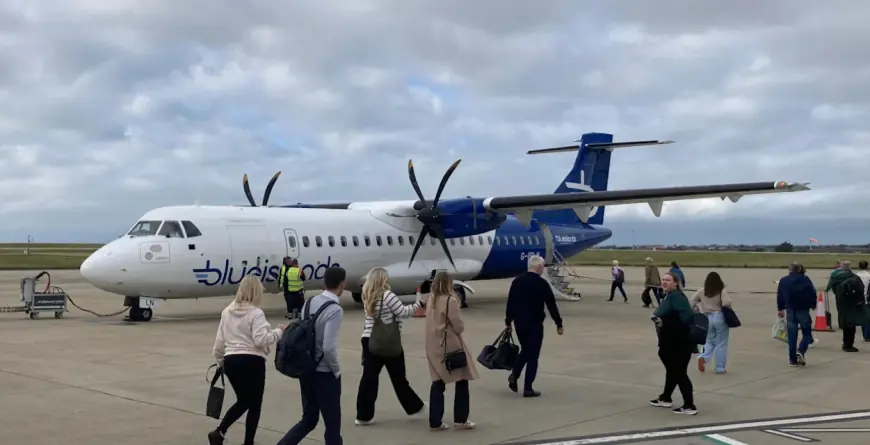

Blue Islands Airline has abruptly ceased all operations, triggering widespread travel disruption across the UK, Belgium, and the Channel Islands. Known for offering cost-effective regional flights, the airline’s sudden shutdown has stranded hundreds of passengers and left island communities grappling with immediate connectivity challenges. The collapse has sent shockwaves through the travel sector, prompting urgent government discussions and raising concerns about the resilience of regional air networks.
Sudden Shutdown Leaves Passengers Stranded
On November 14, 2025, Blue Islands canceled all flights without warning and announced that the airline had ceased trading. Passengers were instructed not to travel to airports, while the UK Civil Aviation Authority issued the same advisory to avoid terminal congestion. The airline’s final flight landed in Jersey late that evening, marking the end of operations across its entire network.
Flights linking Jersey, Guernsey, and key UK cities such as Bristol, Southampton, and Leeds Bradford were immediately grounded. Seasonal international services to Paris and Belgium were also canceled, leaving travelers without alternatives during one of the busiest travel periods of the year.
For island communities that depend heavily on Blue Islands for essential travel, the shutdown created a sudden and unexpected loss of connectivity. Businesses, medical travelers, and daily commuters faced critical disruptions with no immediate replacement.
Economic and Employment Impact
The collapse has resulted in approximately 100 employees losing their jobs overnight. Blue Islands had previously secured an £8.5 million government loan during the pandemic to support operations. A significant portion remains unpaid, and the financial strain is believed to have contributed to the airline’s downfall.
Jersey government officials expressed deep concern over the long-term implications for air connectivity. Authorities are exploring emergency measures to maintain essential routes. Regional carrier Aurigny has already been called upon to support stranded passengers, though it remains under significant pressure due to existing high seasonal demand.
A Reflection of Global Airline Instability
The fall of Blue Islands reflects a broader pattern of instability in global aviation. Airlines worldwide have struggled with operational disruptions driven by staffing shortages, rising fuel costs, and extreme weather events, all of which have strained the industry’s recovery.
Australia, in particular, has seen a wave of disruptions. Jetstar and Virgin Australia experienced widespread cancellations due to severe weather, compounded by staffing shortages that limited their ability to rebook affected passengers. Major airports in Sydney and Melbourne faced operational bottlenecks, leading to delays across domestic and international carriers. Air New Zealand and United Airlines also reported schedule disruptions tied to similar challenges.
These incidents highlight the fragility of regional air networks. The failure of even a single airline can create cascading effects, interrupting travel for thousands and undermining economic stability in regions dependent on reliable air access.
Consequences for the Channel Islands
The Channel Islands face unique vulnerabilities as isolated communities reliant on air travel for essential services, business, and tourism. The sudden collapse of Blue Islands has raised concerns about long-term connectivity and economic stability.
Residents may now face limited flight availability, higher prices, and reduced flexibility as remaining carriers adjust capacity. Businesses that depend on timely air links for commuting, trade, and customer access may experience financial strain. With essential medical travel also disrupted, the government is prioritizing solutions to safeguard critical transport infrastructure.
An Urgent Need for Airline Industry Resilience
The collapse underscores the urgent need for stronger resilience strategies within the aviation sector. Governments, regulators, and airlines are now under pressure to create frameworks that can better handle financial volatility, extreme weather, staffing shortages, and operational bottlenecks.
Potential solutions include improved emergency planning for airline failures, investment in regional airport infrastructure, and strategies to stabilize staffing across the aviation workforce.
Conclusion
Blue Islands Airline’s sudden collapse has severely disrupted travel for passengers across the UK, Belgium, and the Channel Islands, exposing deep vulnerabilities within regional air networks. As authorities act to restore essential connectivity, the shutdown serves as a stark reminder of the fragility of the global airline industry. Passengers affected by the closure now face the challenge of securing alternative travel arrangements, while governments and airline leaders confront the broader implications of yet another regional carrier lost to financial and operational strain.