Boeing, Former Spirit Workers Reach Tentative Labor Agreements
Boeing has reached tentative labour agreements with former Spirit AeroSystems employees, easing workforce tensions and supporting production plans.
 Jishan Khan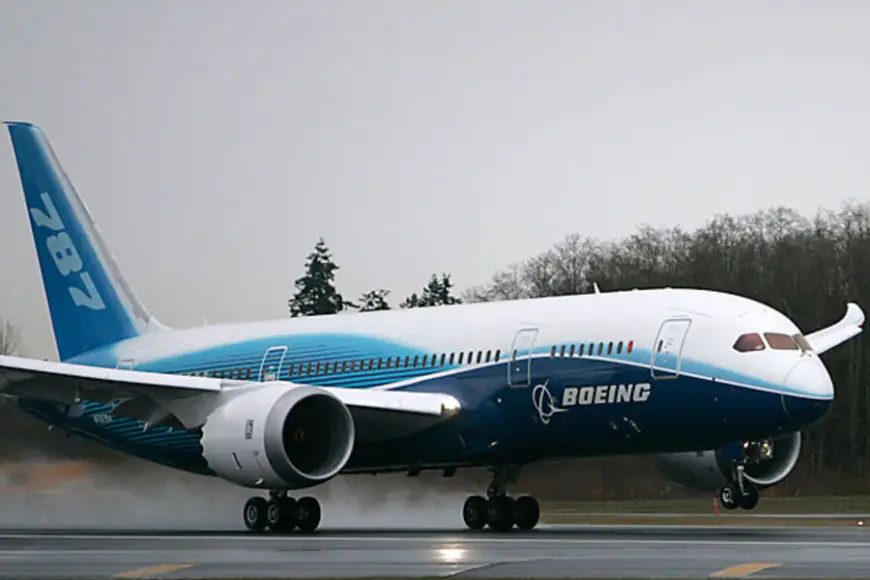

Boeing has reached tentative labour agreements with groups of former Spirit AeroSystems workers, signalling progress in workforce relations that could support production continuity at the U.S. airframer as it navigates critical manufacturing goals.
The agreements come after months of negotiation between Boeing and employees who transitioned from Spirit AeroSystems — a major supplier of fuselage sections and structural components for Boeing commercial aircraft. Worker frustrations had mounted following layoffs and restructuring tied to production slowdowns and supply chain pressure.
Under the preliminary terms, the affected employees are expected to receive improvements in compensation structures, job security provisions and benefit alignment, though specific details are confidential until ratification by worker groups. Boeing has characterised the agreements as a positive step toward strengthening cooperation between labour and management as the company pushes toward higher output rates of its key commercial platforms.
The aerospace workforce has been a focal point for industry leaders amid a broader push to stabilise production of the Boeing 737 MAX family, as well as other models that form the backbone of global airline fleet plans. Supply chain bottlenecks and labour shortages have presented operational challenges for manufacturers and operators alike, who depend on predictable delivery flows to meet airline network expansion and fleet modernisation schedules.
Spirit AeroSystems, once the principal fabricator of forward fuselage sections and other structural elements for Boeing narrowbody jets, has itself undergone restructuring. This has led many former Spirit employees to seek direct employment at Boeing or other aerospace suppliers, complicating labour dynamics within the U.S. aerospace manufacturing base.
The tentative agreements reflect a pragmatic response to workforce expectations and production imperatives. Competitive pressures in global commercial aircraft manufacturing mean that maintaining a skilled, stable labour base is essential to meeting airlines’ delivery commitments and sustaining confidence among airline customers, lessors and supply chain partners.
Boeing executives acknowledged the progress in talks, noting that workforce morale is critical to operational performance. While the company did not publicly release financial terms associated with the agreements, leadership emphasised the mutual benefits of resolving outstanding labour issues as part of ongoing production planning and execution.
Industry labour analysts view the development as part of a broader trend in aerospace where manufacturers balance labour costs, retention and long-term production planning amid cyclic demand flows. Skilled labour contracts in the aerospace sector typically factor in specialised training requirements, safety compliance, and productivity benchmarks tied to assembly line performance.
For airlines awaiting aircraft deliveries, workforce stability at major producers like Boeing is integral to delivery timing and production forecasts. Disruptions or uncertainties in labour relations can ripple through airline network planning, affecting aircraft utilisation, fleet deployment and financial performance.
The agreements, once ratified, are expected to underpin more stable labour cooperation and could influence similar negotiations throughout the aerospace supply chain. As carriers continue to place orders for new aircraft and older fleets require replacement, manufacturers are under pressure to align workforce incentives with production targets and quality metrics.
The Boeing tentative labour deals underscore a broader industry recognition that aligning workforce objectives with production realities is essential to navigating the current aerospace market — characterised by rising travel demand and the imperative to modernise airline fleets worldwide.