Cafes Say ‘Excessive’ Alfresco Licence Fees Strain Hospitality Businesses
Cafes in the UK are urging authorities to reconsider “excessive” outdoor dining licence fees, highlighting cost pressures facing hospitality businesses and outdoor seating demand.
 Prajakta Sanjay Warwadkar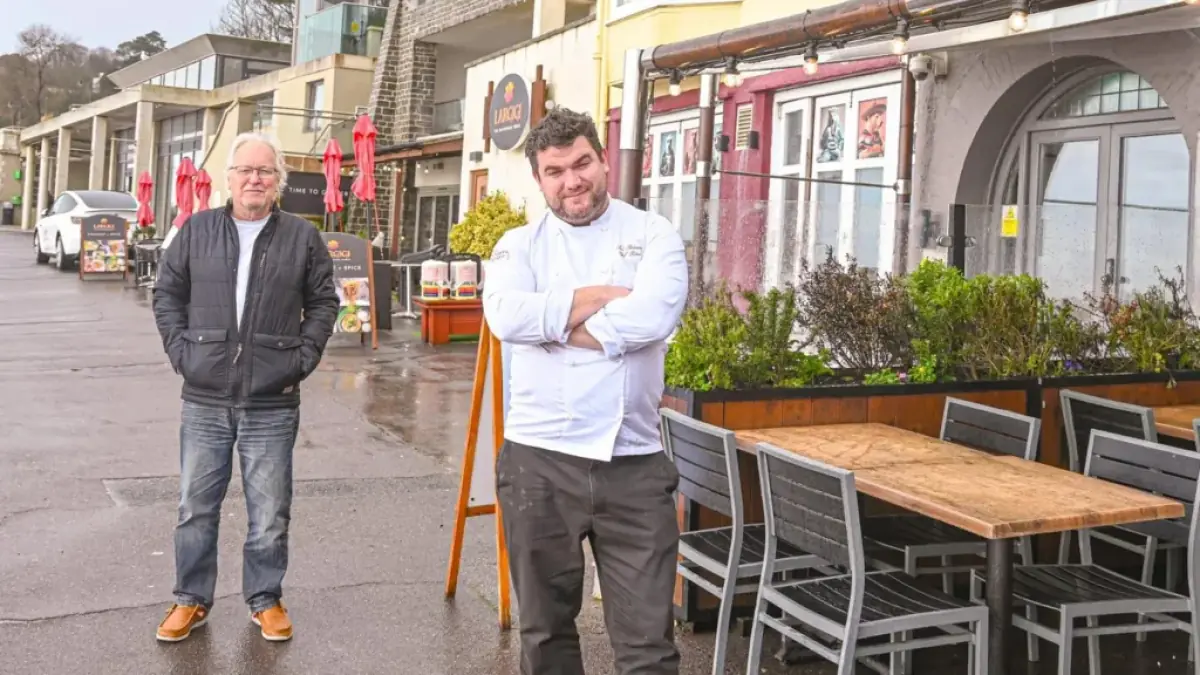

Cafes Call for Review of Outdoor Dining Licence Fees
Hospitality operators in several UK towns and cities are urging local authorities to reconsider what they describe as “excessive” licence fees for alfresco dining. The campaign reflects wider cost pressures facing cafés, restaurants and bars as they seek to sustain outdoor seating that has become integral to customer experience and post‑pandemic recovery strategies. Many small hospitality venues argue that the current fee structures which can run into several thousands of pounds depending on location, size and council policy — are disproportionately high relative to income generated from outdoor tables. For operators already navigating rising energy, labour and supply costs, these licence expenses further squeeze margins.
Outdoor Seating as a Vital Revenue Stream
Outdoor dining has grown in popularity across the UK since pandemic restrictions were eased. Many operators credit alfresco seating with helping to maintain revenue during lockdowns and in subsequent years when indoor capacity or customer confidence fluctuated. Cafés and restaurants emphasise that outdoor tables are not a luxury but a vital part of their business models, particularly in tourist destinations and high‑footfall public spaces. Customers often prefer open‑air settings for socialising, leisure visits and longer stays, driving incremental spend that supports wider operational costs.
Concerns Over Fee Structures
Hospitality groups argue that licence fee models often fail to differentiate between large corporate chains and small independent operators, placing a similar cost burden on businesses with vastly different turnover levels. Smaller cafés contend that paying equal or higher fees than larger firms is inequitable and undermines competition. Some local business owners also point out that opaque pricing bands and inconsistent policies across councils create uncertainty. In seaside and heritage towns, where rents and visitor numbers are already high, elevated licence charges can tip fragile business economics into loss.
Calls for Reform and Support
Operators and industry associations are calling for a review of outdoor dining licence regulations, advocating for tiered fee structures that reflect business size, turnover and seasonal demand. They also want shaper criteria for fee reductions during off‑peak months to support year‑round viability. The plea comes amid broader discussions about how to support high streets and hospitality venues, which remain key economic drivers in many communities. More accessible outdoor dining provision is seen as a way to enhance street life, boost footfall and encourage local spending.
Local Government and Regulatory Context
Local councils are responsible for setting and collecting alfresco licence fees under town and city centre regulations. These licences permit cafés and restaurants to place tables and chairs on pavements, public squares and pedestrian zones. Authorities balance revenue considerations with public space management, footpath safety and pedestrian access. Councils argue that licence fees cover administrative costs, enforcement and the upkeep of shared infrastructure. Some also stress that fees contribute to the costs of cleaning and maintaining high‑use public spaces.
Impact on Independent Operators
Independent café owners warn that high outdoor licence fees disproportionately affect smaller businesses already operating on thinner margins. Unlike larger brands with diversified revenue streams, independents often rely heavily on walk‑in customers and repeat local custom. For these businesses, outdoor seating boosts visibility, footfall and customer engagement. Removing or reducing barriers to outdoor dining is viewed as a practical measure to support community restaurants and cafés.
Industry Outlook and Next Steps
The hospitality sector is watching whether government and local authorities will respond to calls for reform. Some industry advocates hope that upcoming policy reviews, including broader licensing reforms under discussion in the UK hospitality community, might consider such concerns. As cafes and eateries continue to adapt to shifting consumer habits, outdoor dining remains central to growth strategies. Operators emphasise that fair and predictable licence fees will be essential to sustaining vibrant street‑level hospitality in the months and years ahead.