China Eastern Airlines Partners With Huawei to Deploy AI Smart Aviation
China Eastern Airlines has partnered with Huawei to deploy AI-powered smart aviation solutions aimed at improving efficiency, safety and operations.
 Jishan Khan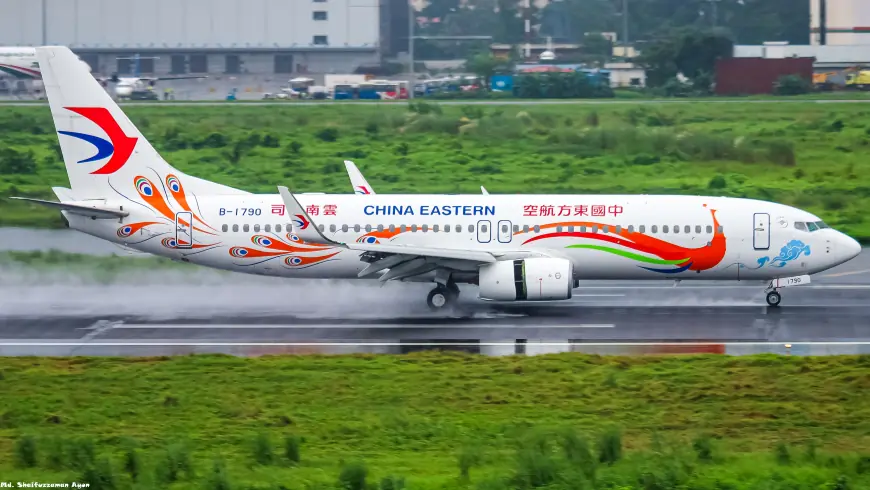

China Eastern Airlines has partnered with technology giant Huawei to advance the deployment of artificial intelligence-driven smart aviation solutions, marking a significant step in the digital transformation of China’s airline industry. The collaboration is aimed at improving operational efficiency, enhancing safety standards and optimising passenger services through the integration of advanced data and AI technologies.
The partnership reflects a broader push within China’s aviation sector to leverage digital innovation as traffic volumes continue to rise and operational complexity increases. By combining China Eastern’s large-scale airline operations with Huawei’s expertise in cloud computing, artificial intelligence and data infrastructure, the initiative seeks to build a more intelligent and responsive aviation ecosystem.
AI-powered systems are expected to play a central role in areas such as flight operations management, maintenance planning, airport coordination and passenger service optimisation. Through real-time data analysis and predictive capabilities, smart aviation platforms can help airlines anticipate disruptions, improve decision-making and reduce operational costs. For a carrier the size of China Eastern, even marginal efficiency gains can translate into significant performance improvements across its network.
From an operational standpoint, the use of AI and big data can enhance aircraft maintenance by enabling predictive maintenance models. These systems analyse aircraft performance data to identify potential issues before they lead to delays or unscheduled groundings. Improved maintenance reliability supports higher aircraft utilisation and contributes to overall safety and cost control.
The collaboration also aligns with the growing emphasis on integrated airline-airport systems. Smart aviation solutions can improve coordination between airlines, airports and air traffic management, helping to streamline turnaround processes and reduce congestion. As China’s major hubs handle increasing volumes of domestic and international traffic, such integration becomes critical to maintaining punctuality and service quality.
Passenger experience is another key focus of smart aviation development. AI-enabled platforms can support personalised services, smoother check-in and boarding processes, and more responsive customer support. For China Eastern, which operates an extensive domestic and international network, digital tools offer opportunities to differentiate service offerings while maintaining operational efficiency.
Huawei’s role in the partnership underscores the expanding influence of technology providers in the aviation sector. As airlines become more data-driven, partnerships with technology firms are increasingly central to long-term strategy. Cloud infrastructure, cybersecurity and AI capabilities are now viewed as core components of airline competitiveness rather than auxiliary support functions.
The initiative also reflects national priorities around digital infrastructure and technological self-reliance. China has placed strong emphasis on the development of smart transportation systems, with aviation identified as a key area for innovation. Projects that integrate AI, cloud computing and advanced analytics align with broader policy goals related to efficiency, safety and sustainability.
From an industry perspective, China Eastern’s move highlights a growing trend among major airlines to invest in digital transformation as a strategic necessity. Global carriers are increasingly adopting AI-driven tools to manage complex operations, respond to volatile demand and improve resilience against disruptions such as weather events or airspace constraints.
The deployment of smart aviation technologies may also support environmental objectives. Improved flight planning, fuel optimisation and reduced ground delays can contribute to lower emissions and more efficient resource use. As sustainability becomes a stronger focus for airlines worldwide, digital tools are expected to play an important supporting role.
While the full scope and timeline of the China Eastern–Huawei collaboration will unfold over time, the partnership signals a clear commitment to innovation-driven growth. By embedding AI and smart systems into core operations, China Eastern is positioning itself to manage future growth more efficiently while enhancing safety and passenger experience.
As competition intensifies and technology reshapes airline operations, initiatives such as this are likely to become increasingly common. China Eastern’s partnership with Huawei illustrates how airlines and technology companies are working together to define the next phase of smart, connected aviation.