China–Japan Standoff Triggers Flight Cancellations Between Nations
Heightened diplomatic tensions between China and Japan have led to multiple flight cancellations as carriers adjust schedules amid safety and travel advisory concerns.
 Jishan Khan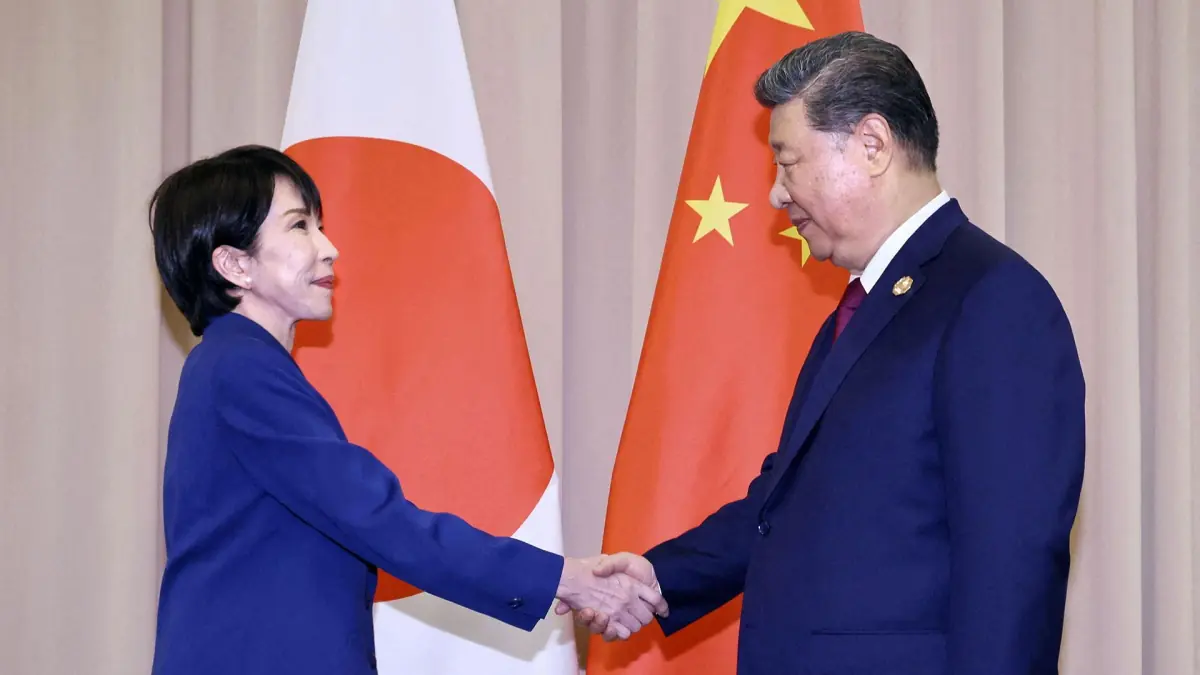

Escalating diplomatic tensions between China and Japan have spilled over into commercial aviation, leading to a wave of flight cancellations and schedule adjustments as airlines grapple with travel advisories, passenger safety concerns and shifting regulatory guidance. The situation has highlighted how geopolitical disputes can quickly affect connectivity between major East Asian markets and disrupt operational planning for carriers on both sides.
The recent standoff stems from mounting political disagreements involving territorial, economic and security issues, prompting both Beijing and Tokyo to issue more cautious guidance for outbound travel. As news of rising tensions filtered into airline operations, several carriers announced temporary cancellations or suspensions of services between key Chinese and Japanese cities.
Major Chinese carriers adjusted schedules Urumqi–Tokyo, Shanghai–Osaka and Beijing–Nagoya routes, citing “operational considerations and passenger safety” in official notices. Meanwhile, some Japanese airlines reportedly trimmed capacity on flights linking Tokyo and Osaka with Beijing, Shanghai and Guangzhou, pointing to lower booking volumes and advisories from government authorities.
Flight cancellations have affected travellers planning business, tourism and family visits, forcing many to rebook via third‑country hubs or postpone travel altogether. Aviation industry analysts note that East Asia’s air travel market is tightly interconnected, and even short‑term diplomatic friction can ripple through schedules, crew planning and airport slot allocations.
Airline industry sources emphasise that these operational changes are typically precautionary rather than indicative of outright bans. Airlines regularly adjust capacity in response to shifts in demand, safety considerations and regulatory signals from civil aviation authorities. In this case, carriers have been monitoring travel advisories issued by both nations and assessing whether routes remain commercially viable on a day‑to‑day basis.
Japan’s Ministry of Foreign Affairs and China’s Ministry of Foreign Affairs have both issued statements urging calm and advising citizens to stay informed about travel risks, reflecting broader concerns about ensuring the safety of their nationals abroad. Although neither government has imposed formal aviation restrictions, the public dissemination of advisories can influence airline risk assessments and passenger booking behaviour.
Aviation experts stress that such disruptions underscore the close link between geopolitics and airline operations — particularly in regions like East Asia where major economic powers maintain dense air traffic flows. Airlines must balance commercial obligations with risk management, often adjusting schedules to maintain network stability while protecting passengers and staff.
Passengers affected by cancellations have faced a mix of options from carriers, including refunds, rebooking on alternative flights and routing through third‑party hubs such as Seoul, Bangkok or Hong Kong. Frequent flyers and business travellers are weighing the convenience of direct services against the potential for further disruptions if diplomatic tensions persist.
Analysts say that if the situation de‑escalates and government advisories are eased, most of the cancelled flights could be reinstated quickly, as slot rights and bilateral air service agreements remain in place. However, if tensions continue to escalate, carriers might take a more cautious approach, leading to prolonged disruptions or reduced seasonal capacity.
The episode serves as a reminder of how sensitive the aviation sector can be to political developments, especially in regions with intricate diplomatic histories. Airlines, regulators and passengers alike will be watching closely to see whether flight cancellations prove temporary or become a more sustained feature of China–Japan air travel in the coming months.