European Hotels, Restaurants Struggle With Persistent Workforce Shortages
European hotels and restaurants face ongoing workforce and skills shortages, limiting service levels and growth as demand rebounds across the region.
 Munni Khatun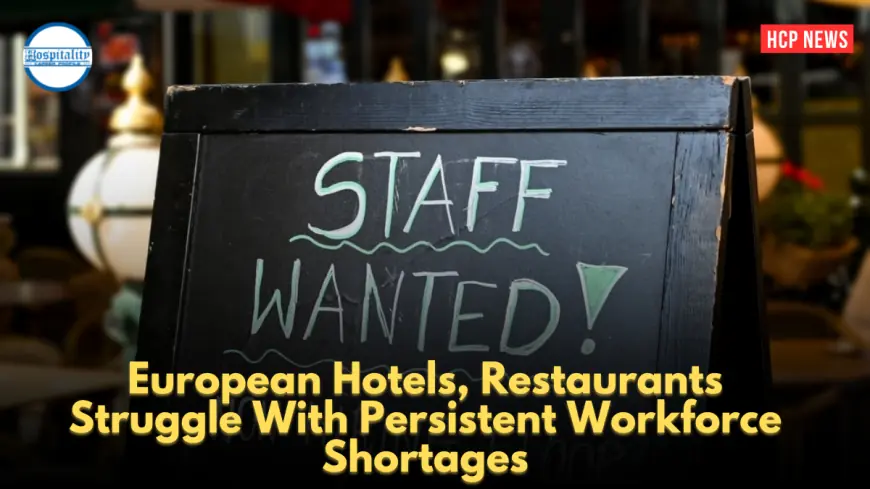
Hotels, restaurants and cafés across Europe continue to grapple with persistent labour shortages and widening skills gaps, challenging the sector’s ability to sustain service quality and expand operations as travel demand rebounds.
According to industry data, the European hospitality sector remains short by about 10% of the staff it needs, with the deficit most acute in customer-facing roles, housekeeping and kitchen positions. Employers report particular difficulty finding workers with operational, digital and interpersonal skills required in modern hotel and F&B environments. :contentReference[oaicite:0]{index=0}
Demographic trends and reduced labour mobility are key structural factors behind these shortages. Ageing populations in many markets and competition from other industries have limited the available workforce, while many workers who left hospitality during the pandemic have not returned. :contentReference[oaicite:1]{index=1}
The labour shortfall is visible across key destinations, from metropolitan centres to seasonal tourism hubs. Smaller and independent properties are especially impacted, often struggling to fund training or offer competitive career pathways, which exacerbates retention issues and elevates turnover rates. :contentReference[oaicite:2]{index=2}
Hospitality executives say that these workforce constraints have direct operational consequences, including reduced service offerings, limited room and restaurant availability and increased reliance on short-term or unskilled hires in peak periods. The gap also dampens growth plans as businesses seek to meet elevated guest expectations while controlling costs. :contentReference[oaicite:3]{index=3}
The skills mismatch extends beyond sheer headcount. Digital literacy, sustainability knowledge and customer communication capabilities are increasingly required, yet remain in short supply, leaving many hotels and restaurants under-resourced in areas critical for innovation and competitiveness. :contentReference[oaicite:4]{index=4}
Industry groups are calling for coordinated actions to address the twin challenges of labour scarcity and skills development, including enhanced vocational training, upskilling programmes and labour market reforms to support hospitality career pathways and mobility across the EU. :contentReference[oaicite:5]{index=5}
As Europe’s tourism sector seeks to capitalise on growing travel demand, resolving workforce shortages will be essential to sustain operational resilience, maintain service standards and support long-term sector competitiveness across both urban and leisure markets.