India’s Aviation Market to Cross 2,000 Aircraft by 2036 as Travel Demand Surges
India’s aviation sector is projected to exceed 2,000 aircraft by 2036, driven by rising air travel demand across hubs like Delhi, Hyderabad and Bengaluru.
 Jishan Khan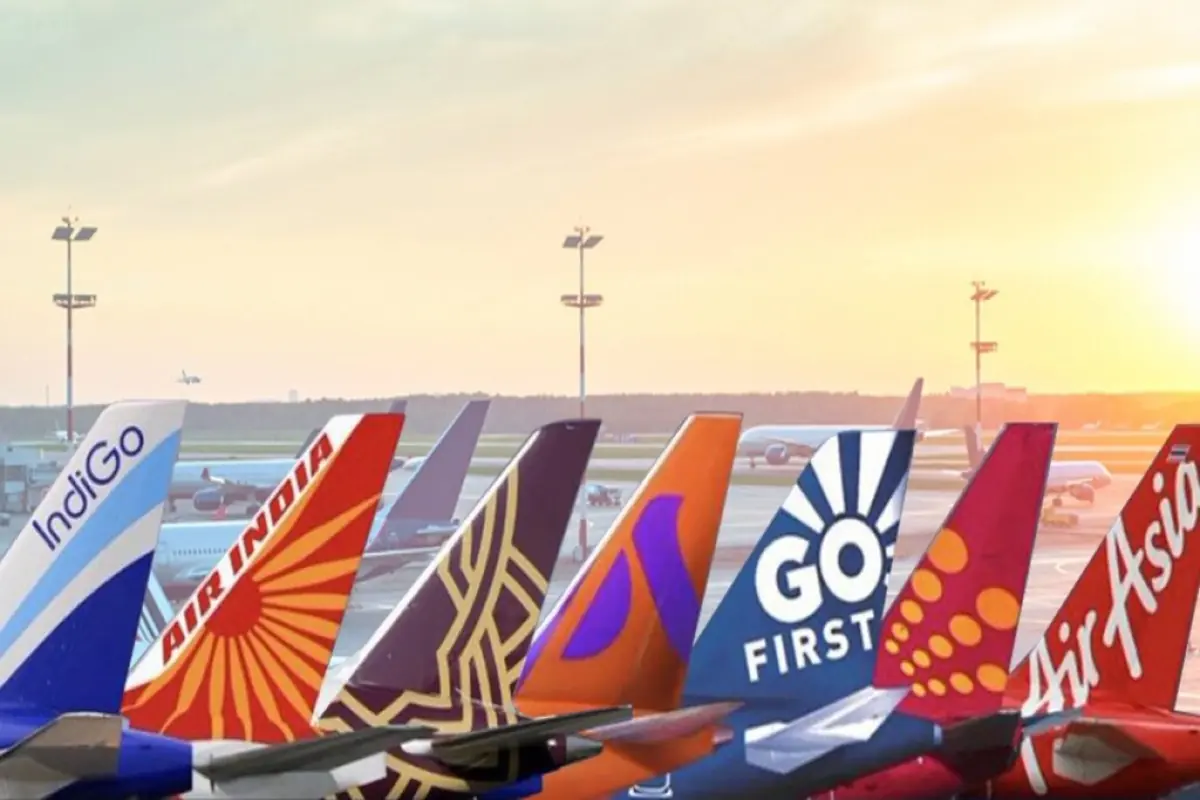

India’s aviation market is set for a dramatic expansion, with the country’s commercial aircraft fleet projected to exceed 2,000 aircraft by 2036, driven by surging air travel demand, rapid urbanisation and rising disposable incomes. The forecast underscores India’s emergence as one of the fastest‑growing aviation markets globally.
According to industry estimates, sustained passenger growth across major metropolitan hubs such as Delhi, Hyderabad and Bengaluru is fuelling unprecedented demand for new aircraft. Airlines are scaling up fleet acquisition plans to keep pace with rising domestic and international traffic, particularly on high‑density routes linking tier‑1 and tier‑2 cities.
India’s domestic air travel market has witnessed consistent double‑digit growth, supported by expanding middle‑class demographics, improved regional connectivity and increased affordability of air fares. The continued success of government‑backed connectivity initiatives and airport modernisation programmes has further strengthened the sector’s growth trajectory.
Major airports including Delhi and Bengaluru are already operating near capacity during peak periods, prompting large‑scale investments in terminal expansions, runway upgrades and air traffic management systems. Hyderabad has also emerged as a key growth hub, benefiting from its strategic location and expanding airline networks.
Aircraft manufacturers and lessors are positioning India as a priority market, with airlines placing record orders for narrowbody and widebody jets to support expansion plans over the next decade. The projected fleet growth reflects both replacement of ageing aircraft and capacity additions to serve new routes.
Industry analysts note that while fleet growth presents opportunities, it also places pressure on aviation infrastructure, pilot training, maintenance capabilities and regulatory frameworks. Addressing these challenges will be critical to sustaining long‑term growth and operational efficiency.
As India moves toward becoming the world’s third‑largest aviation market, the anticipated rise to more than 2,000 aircraft by 2036 highlights the sector’s central role in economic development, connectivity and global integration.