How Restaurant Chains Are Using Artificial Intelligence to Transform Operations, Marketing and Customer Experience
Restaurant brands are increasingly adopting artificial intelligence to improve operations, enhance marketing, streamline employee training and automate drive-thru ordering systems.
 Prajakta Sanjay Warwadkar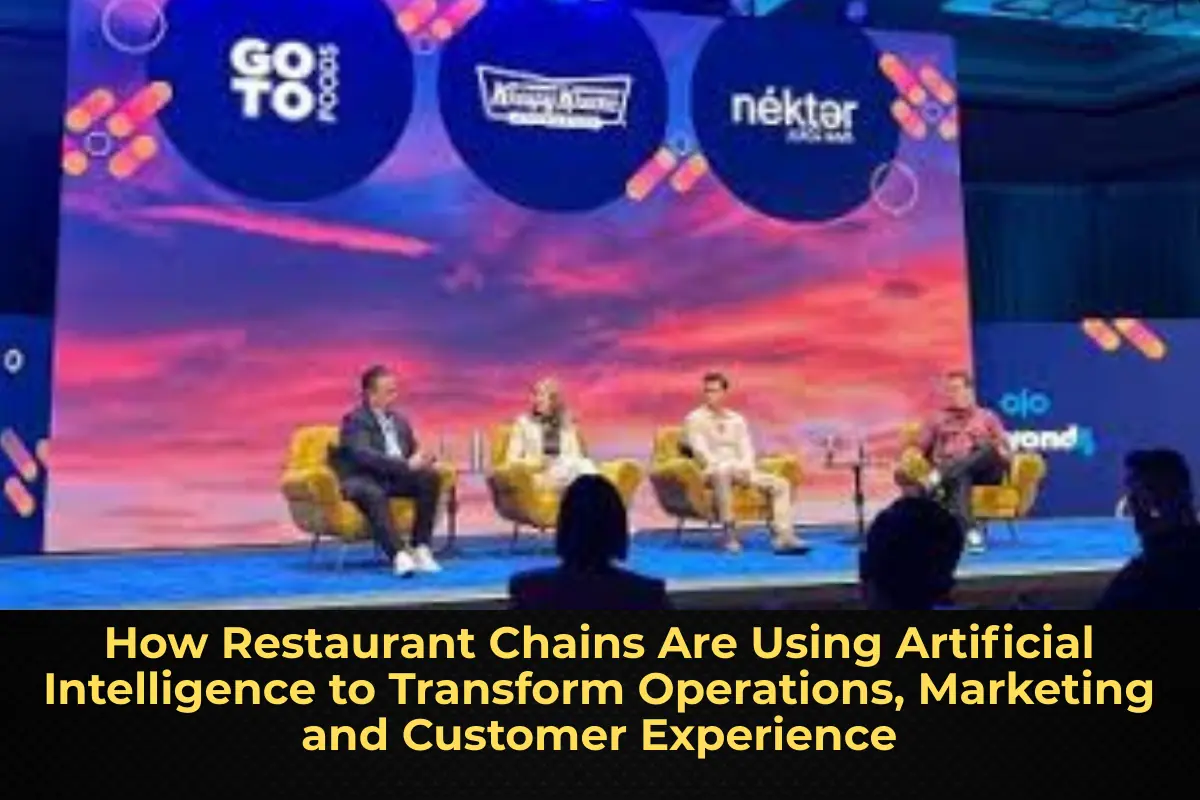

The Growing Role of Artificial Intelligence in the Restaurant Industry
The restaurant industry is undergoing a technological transformation as artificial intelligence becomes an increasingly valuable tool for operators seeking efficiency, accuracy, and improved customer engagement. From managing marketing campaigns and analyzing business data to automating drive‑thru ordering and assisting employees with operational information, AI is rapidly becoming part of daily restaurant operations.
While artificial intelligence once seemed like a futuristic concept reserved for technology companies, restaurant chains are now actively exploring practical ways to use the technology to improve their businesses. Instead of replacing human workers, many restaurant operators are discovering that AI works best when it supports employees by automating repetitive tasks, organizing information, and helping teams make better decisions.
Several restaurant brands have begun implementing AI tools in different parts of their organizations. These early adopters are experimenting with systems that support corporate teams, enhance marketing strategies, guide employee training, and streamline customer ordering experiences.
The experiences of these restaurant chains illustrate how artificial intelligence is gradually reshaping the foodservice industry while highlighting both the opportunities and challenges that come with adopting new technology.
Why Restaurants Are Turning to Artificial Intelligence
The restaurant business is highly competitive and often operates with tight profit margins. Operators constantly seek new ways to improve efficiency while maintaining consistent food quality and customer service. Artificial intelligence offers a powerful set of tools that can help restaurants manage complex operations more effectively.
Many restaurant companies manage thousands of pages of operational documentation, supplier contracts, training manuals, and marketing materials. Manually reviewing these documents can be time‑consuming and difficult for staff members who need quick answers during busy shifts. AI-powered systems are capable of analyzing large volumes of information and providing fast responses to questions.
At the same time, restaurants must communicate with customers across multiple digital platforms including social media, review websites, and mobile apps. AI tools can assist marketing teams by generating content, responding to customer feedback, and identifying trends in consumer behavior.
Another important area where artificial intelligence is gaining traction is the ordering process. AI voice technology can take customer orders at drive‑thru windows or over the phone, allowing employees to focus on food preparation and service.
These capabilities are encouraging restaurant companies to explore how AI can support various departments within their organizations.
Using Artificial Intelligence to Simplify Business Operations
Some restaurant companies are using AI primarily to streamline internal operations. Managing legal agreements, supplier contracts, and corporate documentation requires careful attention, and reviewing these materials manually can consume significant time.
Artificial intelligence tools can analyze large documents quickly and answer specific questions about their contents. For example, a restaurant executive may need to review a vendor agreement or examine clauses within a contract. Instead of reading through dozens of pages, an AI system can summarize key sections and provide relevant details.
This capability helps leadership teams save time while maintaining a clear understanding of their agreements and operational requirements.
In addition to contracts, AI systems can review internal reports and operational data to identify patterns that might otherwise go unnoticed. These insights can help restaurants improve decision‑making, reduce operational risks, and uncover new opportunities for growth.
Artificial Intelligence in Restaurant Marketing and Customer Engagement
Marketing is another area where artificial intelligence is becoming increasingly valuable. Restaurants must maintain an active presence across numerous online platforms, including social media channels, review sites, and local search listings.
Managing these digital platforms can require significant effort, especially for multi‑location restaurant brands. AI-powered marketing tools can help automate certain tasks, making it easier for marketing teams to maintain consistent communication with customers.
For example, AI can assist with generating social media posts, creating promotional content, and drafting responses to customer reviews. These tools can also help ensure that online business listings remain accurate and up to date.
By analyzing customer feedback and online engagement patterns, artificial intelligence can identify trends that provide valuable insight into consumer preferences. Restaurant operators can use this information to adjust menu offerings, refine marketing campaigns, and better understand what customers value most.
However, restaurant operators have also learned that AI-generated content requires careful oversight. Automated systems may occasionally produce inaccurate information or suggest promotions that do not align with the brand’s menu. As a result, human supervision remains essential to ensure that marketing messages remain accurate and appropriate.
AI-Powered Knowledge Systems for Restaurant Employees
Training employees and maintaining operational consistency across multiple locations can be challenging for restaurant brands. Staff members often need quick access to recipes, preparation guidelines, equipment instructions, and company policies.
Artificial intelligence knowledge systems are helping solve this challenge by organizing operational information in ways that employees can easily access. Instead of searching through printed manuals or lengthy documents, employees can ask a digital assistant specific questions.
For instance, a team member might ask how a particular menu item should be prepared or what ingredients are required for a specific recipe. The AI system searches internal documentation and provides a clear answer.
This approach simplifies training and reduces the time employees spend searching for information during busy shifts. It also helps ensure that food preparation standards remain consistent across restaurant locations.
Knowledge systems powered by AI are especially useful for large restaurant chains where operational information can be extensive and constantly updated.
AI Voice Technology in Drive‑Thru Ordering
One of the most visible uses of artificial intelligence in restaurants is AI-powered drive‑thru ordering. Drive‑thru lanes are a critical component of the quick-service restaurant business, accounting for a large percentage of total sales at many locations.
AI voice assistants are capable of interacting with customers, understanding spoken orders, and entering them directly into the restaurant’s point-of-sale system. This process can help reduce wait times while freeing employees to focus on food preparation and order accuracy.
Drive‑thru automation also offers benefits during labor shortages or peak operating hours when staff members may be managing multiple responsibilities simultaneously.
Despite these advantages, the introduction of AI voice ordering has revealed important lessons about customer behavior. While many customers appreciate faster service, others prefer interacting with human employees. Some communities have been slower to accept automated ordering systems, demonstrating that technology adoption must consider customer preferences.
Restaurant companies experimenting with AI drive‑thru technology often conduct pilot programs in selected locations before deciding whether to expand the system across their networks.
Challenges Restaurants Face When Implementing AI
Although artificial intelligence offers many advantages, implementing new technology is rarely simple. Restaurants must consider several factors before introducing AI tools into their operations.
One of the primary concerns is ensuring that AI systems produce accurate and reliable results. Because restaurant operations involve precise recipes, food safety standards, and customer service expectations, incorrect information could lead to operational problems.
Companies also need to ensure that employees receive proper training on how to use AI tools effectively. Technology adoption is most successful when staff members understand how the system works and how it supports their daily tasks.
Another challenge involves customer perception. Some diners may feel uncomfortable interacting with automated systems, particularly when ordering food. Restaurants must therefore balance technological innovation with the human element that remains central to hospitality.
Cost considerations are also important. Implementing advanced technology can require significant investment, and operators must evaluate whether the expected benefits justify the expense.
The Future of Artificial Intelligence in Restaurants
Despite these challenges, the adoption of artificial intelligence across the restaurant industry is expected to continue expanding. As technology improves and becomes more accessible, restaurants are likely to discover new applications that enhance both operations and guest experiences.
Future AI systems may help restaurants forecast demand more accurately, optimize staffing schedules, reduce food waste, and personalize customer experiences. Advanced data analysis could also help restaurants understand changing dining patterns and adapt their menus accordingly.
Artificial intelligence may also play a role in supply chain management by predicting ingredient demand and helping restaurants manage inventory more efficiently.
As these capabilities evolve, restaurants will have greater opportunities to improve efficiency while maintaining the high-quality service that customers expect.
Balancing Technology with Hospitality
While artificial intelligence can significantly improve operational efficiency, hospitality remains a people‑focused industry. Successful restaurants will likely use AI as a support tool rather than a replacement for human interaction.
Employees play a critical role in creating memorable dining experiences, and technology should enhance their ability to deliver exceptional service. By automating repetitive tasks and organizing complex information, AI allows staff members to focus on the human aspects of hospitality that customers value most.
The early experiments conducted by restaurant chains demonstrate that artificial intelligence can offer meaningful benefits when implemented thoughtfully. These initiatives represent the first steps toward a more technologically advanced restaurant industry.
As operators continue to test new systems and refine their strategies, artificial intelligence is poised to become an increasingly important component of restaurant operations worldwide.