Jetstar Upgauges Brisbane–Canberra Flights for Winter
Jetstar will upgauge aircraft on its Brisbane–Canberra route over winter, increasing seat capacity and reflecting demand-led domestic network optimisation.
 Jishan Khan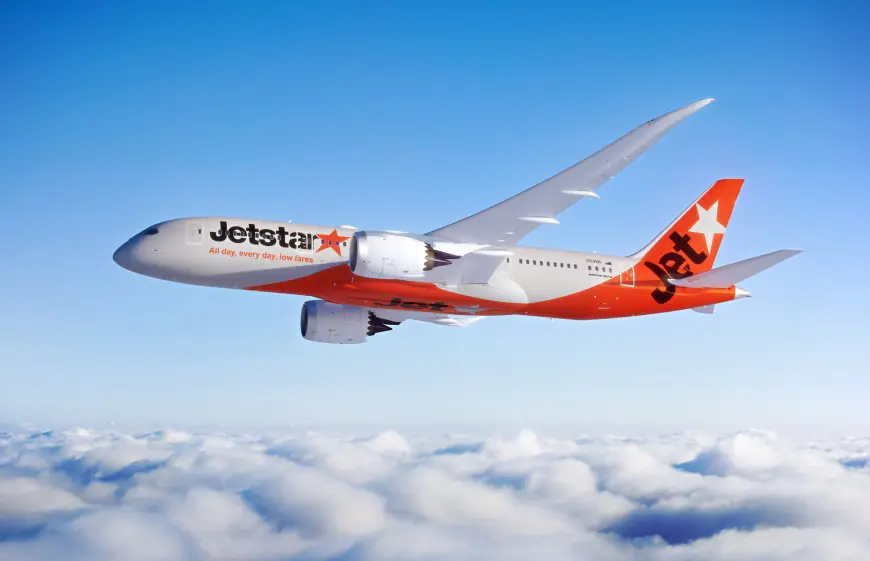

Jetstar is set to increase capacity on its Brisbane–Canberra services over the winter season by deploying larger aircraft on the route, reflecting a targeted response to sustained domestic demand and evolving network economics in Australia’s competitive short‑haul market.
The upgauge will see Jetstar replace smaller narrowbody aircraft with higher‑capacity variants, increasing available seats without adding additional frequencies. Such adjustments are increasingly favoured by airlines seeking to optimise unit costs while maintaining schedule stability during seasonal demand fluctuations.
Jetstar operates a mixed narrowbody fleet dominated by Airbus A320 and A321 aircraft, with the higher‑density A321 platform offering a material uplift in seat count and improved cost per available seat kilometre. For trunk and government‑heavy routes such as Brisbane–Canberra, aircraft upgauging provides a more efficient way to absorb demand while preserving operational resilience.
The Brisbane–Canberra corridor serves a mix of business, government and visiting‑friends‑and‑relatives traffic, with demand patterns that remain relatively stable even during traditionally softer winter months. For low‑cost carriers, such routes offer an opportunity to balance leisure‑focused flying with more predictable year‑round demand.
Jetstar’s decision also reflects broader domestic market dynamics, where airlines continue to fine‑tune capacity deployment rather than pursue aggressive frequency growth. Upgauging allows carriers to increase revenue potential while managing crew, slot and maintenance constraints across their networks.
From a competitive standpoint, the move strengthens Jetstar’s position against full‑service operators on the route, particularly as travellers remain price‑sensitive amid cost‑of‑living pressures. Higher‑capacity aircraft enable lower per‑seat costs, supporting fare competitiveness while protecting margins.
Canberra Airport has increasingly positioned itself as a viable market for both low‑cost and full‑service carriers, benefiting from stable government travel and a growing local population base. Capacity increases without additional movements also align with airport efficiency objectives, supporting passenger growth without placing pressure on runway or terminal operations.
For Brisbane Airport, the route remains an important domestic link connecting Queensland’s largest city with the national capital. Aircraft upgauging contributes to overall seat growth while avoiding congestion impacts associated with frequency expansion during peak operating windows.
The adjustment underscores how Australian airlines are using fleet flexibility to respond to demand rather than relying solely on schedule changes. As newer, higher‑density narrowbody aircraft become a larger share of domestic fleets, upgauging has emerged as a key lever for capacity management.
Jetstar’s winter deployment strategy highlights a disciplined approach to network planning, prioritising routes where demand visibility supports higher‑capacity aircraft utilisation. With domestic travel patterns continuing to normalise, such tactical adjustments are expected to remain central to airline performance through the remainder of the year.