The Leela Palaces Targets Fiscal 2027 Growth Amid Luxury Room Shortage and Rising Affluent Travel Demand
The Leela Palaces outlines fiscal 2027 growth plans as India faces a luxury room shortage, positioning itself to benefit from rising affluent travel demand and constrained premium hotel supply.
 nishathapa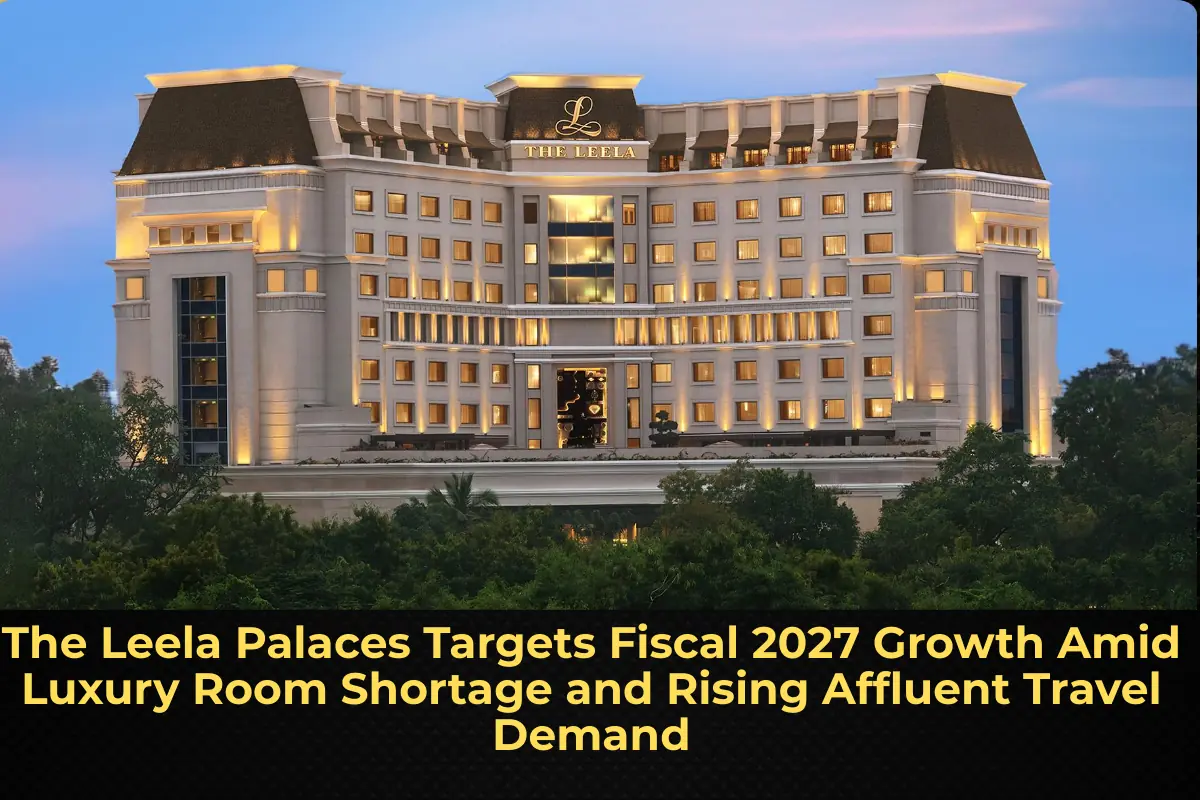

The Leela Palaces Positions for Growth in a Constrained Luxury Market
The Leela Palaces has set its sights on fiscal 2027 as a pivotal growth milestone, aiming to capitalize on a persistent shortage of luxury hotel rooms in India. As affluent domestic and international travel rebounds strongly, the premium hospitality segment is witnessing demand outpacing supply in key metropolitan and leisure destinations.
The company’s leadership has emphasized that India’s limited luxury inventory presents a structural opportunity for established high-end brands. With a robust pipeline and strategic expansion focus, The Leela Palaces intends to leverage favorable market conditions to strengthen its position in the ultra-premium segment.
Luxury Room Shortage Driving Pricing Power
India’s hospitality industry continues to grapple with a supply-demand imbalance, particularly in the luxury and upper-upscale categories. Over the past decade, room additions in the premium segment have not kept pace with rising demand fueled by economic growth, destination weddings, corporate travel, and experiential tourism.
This shortage has translated into higher occupancy rates and improved average room rates (ARR) across luxury properties. Limited new supply in prime locations has provided established brands with enhanced pricing power, contributing to stronger revenue performance.
Affluent Travel on the Rise
India’s expanding affluent population is reshaping travel patterns. High-net-worth individuals and upper-middle-class consumers are increasingly opting for luxury experiences within the country, including curated wellness retreats, heritage stays, and beachfront escapes.
International visitor inflows are also gradually strengthening, particularly in luxury segments such as palace hotels and iconic city-center properties. These factors collectively reinforce the long-term demand outlook for premium hospitality assets.
Fiscal 2027 as a Strategic Milestone
By targeting fiscal 2027 for accelerated growth, The Leela Palaces signals confidence in sustained sector momentum. The company’s roadmap is expected to focus on expanding its portfolio in high-demand markets while optimizing operational efficiencies across existing properties.
Strategic capital allocation, disciplined expansion, and brand positioning remain central to achieving growth objectives. The company is likely to evaluate opportunities in both metropolitan hubs and established leisure destinations.
Pipeline and Expansion Focus
Luxury hotel development typically involves long gestation periods due to land acquisition complexities, regulatory approvals, and high capital intensity. As a result, new supply additions remain gradual, allowing existing players to benefit from tight inventory conditions.
The Leela Palaces’ expansion plans are expected to prioritize prime real estate and high-barrier-to-entry markets where long-term demand visibility remains strong.
Performance Tailwinds in the Luxury Segment
The broader hospitality sector in India has entered a favorable cycle characterized by strong occupancy levels and rising room rates. Luxury hotels have particularly benefited from pent-up travel demand and event-led bookings, including destination weddings and corporate gatherings.
Premium properties often experience operating leverage once occupancy stabilizes above threshold levels. Incremental revenue contributes significantly to margins due to relatively fixed cost structures.
Weddings and Experiential Travel
India’s reputation as a premier destination for high-profile weddings and social celebrations has bolstered demand for palace and luxury resorts. These events generate substantial room nights, banquet revenues, and ancillary spending.
Experiential travel trends, including heritage tourism and curated cultural experiences, further support occupancy across iconic luxury properties.
Supply Constraints as a Competitive Advantage
While supply shortages may appear restrictive at first glance, they often benefit established operators with strong brand equity. Limited competition in certain luxury micro-markets enhances market share stability and rate resilience.
Companies with established reputations and loyal customer bases are better positioned to capture premium demand in a constrained environment.
Asset-Heavy Versus Asset-Light Strategy
Luxury hospitality typically involves significant capital deployment due to design, architecture, and service standards. Balancing owned assets with management contracts or strategic partnerships can help optimize returns.
Operational excellence, guest loyalty programs, and brand consistency remain essential differentiators in the high-end segment.
Macroeconomic and Infrastructure Support
India’s economic growth trajectory and expanding infrastructure continue to underpin hospitality expansion. Upgraded airports, improved highway connectivity, and tourism-focused government initiatives enhance accessibility to both urban and resort destinations.
Improved connectivity directly influences luxury travel by reducing transit time and enhancing destination appeal for high-spending guests.
International Brand Recognition
Indian luxury hotel brands have increasingly gained global recognition, attracting international travelers seeking authentic yet premium experiences. Strong brand narratives rooted in heritage, architecture, and personalized service create differentiation in a competitive global landscape.
The Leela Palaces’ positioning within this narrative strengthens its appeal to both domestic and overseas guests.
Risks and Execution Considerations
Despite favorable demand conditions, luxury hotel expansion carries inherent risks. High capital requirements, regulatory complexities, and potential macroeconomic volatility may impact timelines and returns.
Additionally, global travel disruptions or currency fluctuations could temporarily influence international visitor flows.
Maintaining Brand Integrity During Expansion
For luxury operators, rapid expansion must be balanced with preserving brand standards. Service quality, architectural distinctiveness, and guest personalization define long-term brand equity.
Careful site selection, meticulous design execution, and strong management oversight are crucial to sustaining premium positioning.
Long-Term Outlook for India’s Luxury Hospitality
The luxury segment of India’s hospitality industry appears poised for sustained expansion over the coming years. Structural demand drivers—including rising disposable incomes, global visibility, and experiential travel preferences—support continued growth.
With limited new supply entering the market in the near term, established luxury brands may continue to benefit from favorable operating metrics.
Positioning for the Next Growth Cycle
By aligning expansion strategy with anticipated demand growth through fiscal 2027, The Leela Palaces aims to strengthen its competitive advantage. Strategic investments and disciplined scaling could enable the company to capture a disproportionate share of high-value travelers.
The interplay of supply constraints and robust demand may define the next chapter of India’s premium hospitality evolution.
Conclusion
The Leela Palaces’ focus on fiscal 2027 growth reflects confidence in India’s luxury hospitality trajectory amid an ongoing room shortage. As affluent travel demand rises and supply remains constrained, established premium brands are positioned to benefit from favorable market dynamics.
While challenges persist, the long-term outlook for India’s luxury hotel segment remains positive, supported by economic expansion, infrastructure improvements, and a growing appetite for high-end travel experiences.