Lithuania’s GetJet Announces Group Rebrand as Fleet Expansion Accelerates
Lithuanian ACMI specialist GetJet has rebranded as a group entity, signalling fleet growth and broader ambitions in the global wet‑lease market.
 Jishan Khan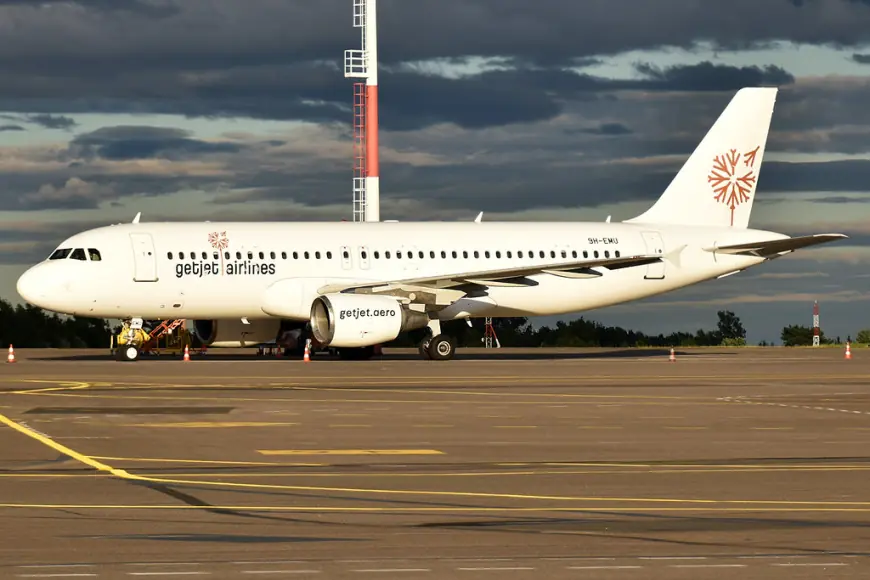

Lithuania‑based ACMI and charter operator GetJet has announced a group‑level rebrand, reflecting its transition from a single airline platform into a broader aviation group with an expanding fleet and diversified operational footprint.
The company will now operate under the GetJet Group identity, aligning multiple aviation activities under one structure as it scales capacity and targets additional wet‑lease and charter opportunities across Europe, the Middle East and other international markets. The rebrand comes amid rising demand for ACMI capacity as airlines seek flexible lift to manage seasonal peaks, aircraft groundings and network disruptions.
GetJet has built its business around short‑ and medium‑term aircraft leasing, primarily supporting full‑service and low‑cost carriers that require rapid capacity deployment without long‑term fleet commitments. The group’s aircraft are deployed across multiple jurisdictions, operating on behalf of partner airlines during high‑demand periods and operational recovery phases.
Fleet expansion is central to the rebrand strategy. GetJet Group is increasing the number of aircraft under its control, strengthening its position in a competitive ACMI market where scale, reliability and regulatory coverage are critical differentiators. A larger fleet allows the group to respond more quickly to airline tenders and to support simultaneous contracts across multiple regions.
Industry observers note that ACMI demand has remained elevated following several years of supply‑chain disruption, engine availability issues and uneven fleet renewal cycles. Leasing specialists such as GetJet benefit from airlines’ preference to outsource capacity rather than commit capital during periods of market uncertainty.
The group structure is also expected to improve operational resilience and regulatory flexibility. By consolidating fleet management, crew resources and commercial functions at group level, GetJet can optimise aircraft utilisation and reduce exposure to single‑market risks. This model has become increasingly common among European wet‑lease providers seeking to compete for multinational contracts.
GetJet’s expansion places it among a growing cohort of mid‑sized ACMI operators positioning themselves between niche charter firms and large global lessors. Competition in this segment has intensified as airlines increasingly rely on third‑party capacity to protect schedules, preserve market share and meet passenger demand during peak travel seasons.
For airline customers, the rebrand signals continuity of service alongside increased capacity availability. For airports and regulators, it underscores the growing role of ACMI providers in maintaining network stability, particularly during operational shocks or rapid demand rebounds.
As GetJet Group scales its fleet and organisational structure, its performance will be closely watched by airlines, lessors and investors assessing how the ACMI sector evolves amid persistent operational volatility in global aviation.