Misu Opens Design-Forward Pan-Asian Restaurant in Bengaluru
Misu has launched a design-forward Pan-Asian restaurant in Bengaluru, blending contemporary interiors with a curated menu inspired by East and Southeast Asian cuisines.
 Prajakta Sanjay Warwadkar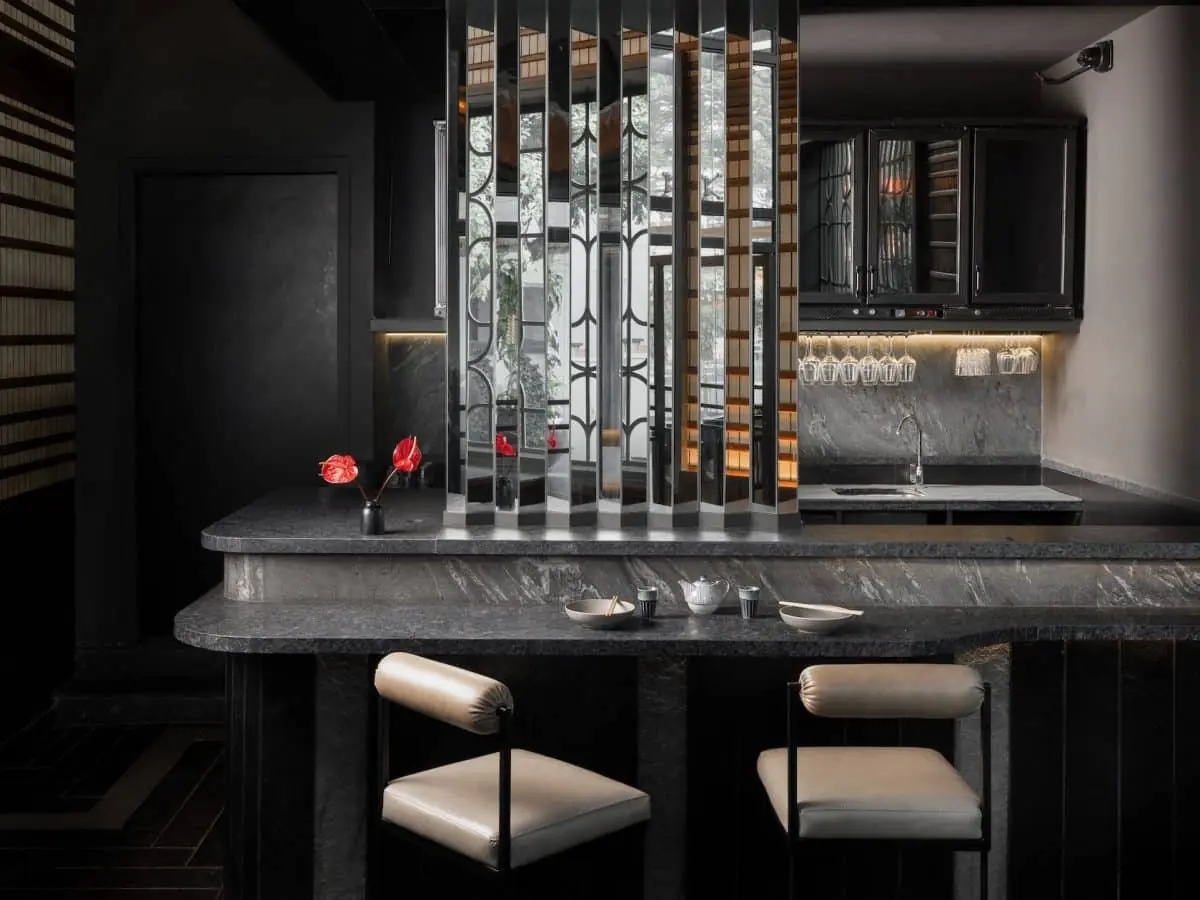

A New Pan-Asian Address Enters Bengaluru’s Dining Landscape
Bengaluru’s restaurant scene continues to evolve with the opening of Misu, a design-forward Pan-Asian restaurant that brings together contemporary aesthetics and a regionally inspired menu. The launch adds to the city’s growing portfolio of experiential dining spaces that prioritise both visual appeal and culinary depth. Positioned for an audience that values global flavours and thoughtfully designed environments, Misu reflects a broader shift in urban dining preferences. Restaurants in India’s major cities are increasingly being conceived as immersive spaces rather than purely functional dining outlets.
Bengaluru’s Appetite for Global Cuisine
Over the past decade, Bengaluru has emerged as one of India’s most receptive markets for international cuisines. A young professional population, exposure to global travel, and a strong culture of eating out have shaped demand for diverse culinary formats. Pan-Asian cuisine, in particular, has found sustained traction in the city. Diners are familiar with flavours from Japanese, Thai, Korean, and Southeast Asian kitchens, and expectations have moved beyond novelty toward authenticity and quality. Misu enters this competitive space with a positioning that blends familiarity with refinement.
Design as a Central Narrative
One of Misu’s defining characteristics is its design-led approach. Contemporary restaurants are increasingly using interiors as a storytelling tool, creating environments that influence how guests perceive the brand even before the first dish arrives. The restaurant’s visual identity is crafted to feel modern yet warm, balancing clean lines with layered textures. Such spaces are designed to appeal equally to casual diners, social gatherings, and business meetings, reflecting the multifunctional role restaurants play in urban lifestyles.
The Role of Ambience in Dining Choices
In cities like Bengaluru, where diners are spoilt for choice, ambience has become a decisive factor. Restaurants are no longer judged solely on food but on the overall experience they offer. Design-forward spaces encourage longer dwell times, repeat visits, and social sharing, all of which contribute to brand visibility. Misu’s focus on aesthetics aligns with this reality, positioning the restaurant as a destination rather than just another place to eat.
A Curated Pan-Asian Menu Strategy
Pan-Asian menus require careful curation to avoid being overly broad or diluted. Successful concepts focus on select regions or flavour profiles while maintaining clarity in execution. Misu’s menu approach reflects this discipline, drawing inspiration from multiple Asian culinary traditions while maintaining coherence. Such strategies appeal to diners who seek variety but also expect consistency and depth in flavour.
Balancing Authenticity and Accessibility
One of the ongoing challenges for Pan-Asian restaurants in India is balancing authenticity with local palates. While diners are increasingly adventurous, accessibility remains important for commercial sustainability. Restaurants that succeed in this category often adapt spice levels, ingredients, and presentation without compromising the essence of the cuisine. This balance allows concepts like Misu to appeal to both seasoned diners and those exploring Asian flavours more casually.
Bengaluru’s Competitive Restaurant Market
The city’s food and beverage market is among the most competitive in the country. New openings are frequent, and consumer loyalty is hard-won. In such an environment, differentiation is critical. Design, menu clarity, service quality, and brand storytelling all play a role in determining longevity. Misu’s entry reflects an understanding that success depends on delivering a holistic experience rather than relying on cuisine alone.
Design-Led Restaurants as Brand Builders
Design-forward restaurants often function as brand statements. They help establish a clear identity and create emotional connections with guests. For operators, investing in design is not merely an aesthetic decision but a strategic one. Well-designed spaces support marketing efforts, attract collaborations, and enhance overall brand recall. Misu’s emphasis on visual identity positions it strongly within this emerging category.
Changing Consumer Expectations
Urban diners today expect more from restaurants than good food. They look for spaces that align with their lifestyle, values, and social habits. This shift has encouraged restaurateurs to think beyond menus and consider elements such as music, lighting, service choreography, and spatial flow. Misu’s concept reflects these evolving expectations, aiming to deliver a cohesive and memorable experience.
Operational Discipline Behind the Concept
While design and concept draw attention, operational execution ultimately determines success. Consistency in food quality, service training, and supply chain management are essential, particularly in cuisine formats that rely on specialised ingredients and techniques. For Pan-Asian restaurants, maintaining consistency across dishes inspired by different regions can be complex. Clear kitchen processes and skilled culinary teams are critical to sustaining standards over time.
Pan-Asian Cuisine and Premiumisation
Pan-Asian dining in India has increasingly moved toward premiumisation. Diners are willing to pay more for quality ingredients, refined presentation, and elevated settings. Misu’s positioning aligns with this trend, targeting guests who value experience-driven dining. Such concepts contribute to the overall maturation of India’s restaurant industry, where value is defined by experience rather than volume alone.
The Strategic Importance of Location
Location continues to play a decisive role in restaurant performance. Bengaluru’s key dining neighbourhoods offer access to steady footfall but also bring higher competition and operating costs. Restaurants like Misu must leverage their concept strength to stand out in these dense markets. Design, menu storytelling, and service quality become essential tools for attracting and retaining guests.
Industry Implications
The opening of Misu reflects broader shifts within India’s hospitality sector. Restaurants are increasingly positioned as lifestyle brands, and design has become a strategic differentiator. For the industry, such launches signal continued confidence in experiential dining despite cost pressures and operational challenges. They also highlight Bengaluru’s role as a testing ground for contemporary restaurant concepts.
Looking Ahead
As Bengaluru’s dining scene continues to expand, restaurants that combine clear culinary vision with strong design and operational discipline are more likely to succeed. Misu enters the market at a time when diners are receptive to thoughtfully executed global cuisine. Its performance will be closely watched as an indicator of how design-forward Pan-Asian concepts can sustain relevance in one of India’s most dynamic food markets.