Mumbai Plans Third Airport With ₹45,000 Crore Investment to Boost Aviation Capacity
Mumbai is planning a third airport with an estimated investment of ₹45,000 crore to support rising air traffic and long-term aviation growth.
 Jishan Khan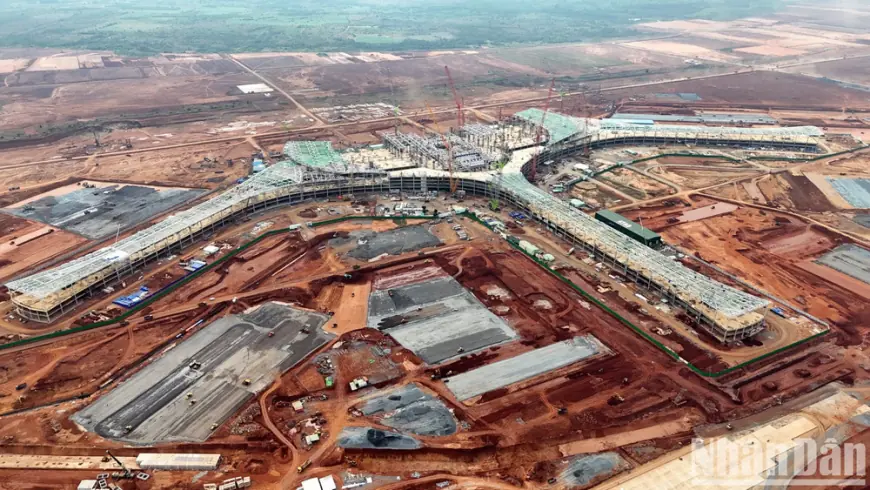

Mumbai is moving forward with plans for a third airport, with the project estimated to cost around ₹45,000 crore, as India’s financial capital prepares for sustained growth in air traffic and long-term aviation demand. The proposed airport is aimed at easing capacity constraints in the Mumbai metropolitan region, where existing infrastructure is under increasing pressure from rising passenger volumes and airline expansion.
India’s aviation market continues to rank among the fastest growing globally, and Mumbai remains one of its most congested air travel hubs. The city is currently served by Chhatrapati Shivaji Maharaj International Airport and the upcoming Navi Mumbai International Airport, both of which are expected to face capacity limitations as traffic continues to rise. The proposed third airport is intended to address future demand beyond the next decade, ensuring the region remains competitive as a global aviation and business gateway.
From an infrastructure planning perspective, the ₹45,000 crore investment reflects the scale and complexity of modern airport development. Such projects typically include extensive land acquisition, runway construction, terminal development, cargo facilities and multimodal connectivity. The investment also highlights the growing role of aviation infrastructure as a catalyst for economic growth, employment generation and regional development.
Aviation planners have increasingly emphasised the need for long-term capacity planning in India’s major metropolitan areas. Mumbai’s constrained geography and dense urban development limit the scope for incremental expansion at existing airports, making greenfield projects a critical part of future capacity solutions. The third airport proposal aligns with this strategy by looking beyond short-term traffic recovery and focusing on structural growth trends.
Airlines operating in India have expanded aggressively over the past few years, supported by rising disposable incomes, improved regional connectivity and strong domestic demand. Mumbai plays a central role in airline networks, serving as a key hub for domestic, regional and long-haul international routes. Additional airport capacity would allow airlines greater flexibility in scheduling, fleet deployment and route development, while reducing operational bottlenecks.
Cargo operations are also expected to benefit from additional airport infrastructure. Mumbai is a major air cargo gateway, handling high-value and time-sensitive shipments linked to pharmaceuticals, electronics and international trade. A third airport could support dedicated cargo facilities, helping to improve logistics efficiency and reduce congestion at existing terminals.
The project also reflects broader national priorities under India’s aviation and infrastructure development agenda. Government-led initiatives have focused on expanding airport capacity across metros and tier-two cities alike, recognising aviation’s role in connecting markets and supporting tourism, trade and investment. Large-scale projects such as Mumbai’s third airport signal confidence in the long-term trajectory of Indian air travel.
Financing and execution will be key challenges as the project progresses. Airport developments of this scale typically involve complex public-private partnerships, regulatory approvals and phased construction timelines. Ensuring timely delivery while managing costs will be critical to achieving the intended capacity and economic benefits.
Environmental and land-use considerations are expected to play a significant role in project planning. Modern airport developments increasingly incorporate sustainability measures, including energy-efficient terminals, improved ground access and reduced carbon footprints. Balancing growth with environmental responsibility will be a key factor in the project’s long-term viability.
As India’s aviation market continues to mature, Mumbai’s third airport proposal underscores the importance of forward-looking infrastructure planning. With passenger numbers projected to grow steadily over the coming decades, additional capacity will be essential to maintaining service quality, operational resilience and global connectivity.
If implemented as planned, the ₹45,000 crore airport project could reshape Mumbai’s aviation landscape, reinforcing the city’s position as a leading hub in South Asia and supporting India’s broader ambitions in global air transport.