Archipelago International Exits Cuba as Sanctions Pressure Mounts
Archipelago International exits Cuba, becoming the third hotel operator to leave the market as new U.S. sanctions target GAESA-linked entities. Read more.
 Pratyaksha Singh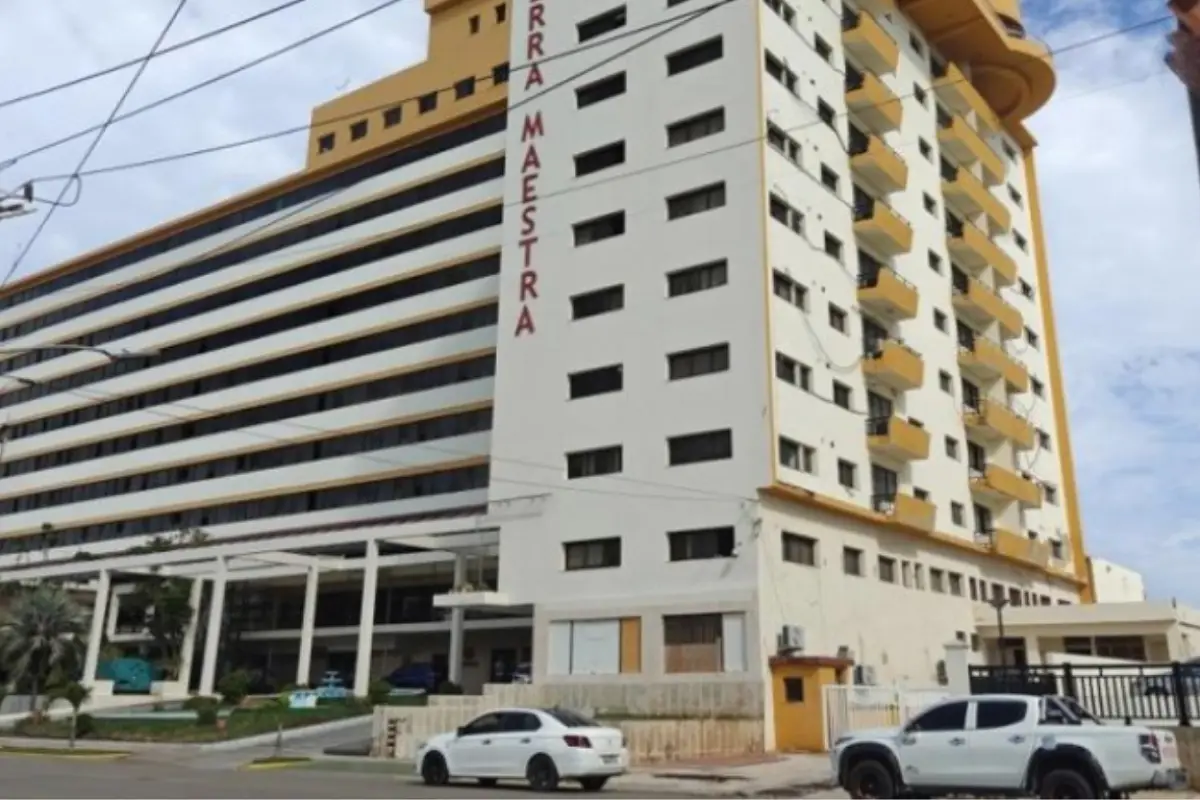
HAVANA, Cuba, June 2, 2026 — Archipelago International has ended its hotel management operations in Cuba under the Aston brand, becoming the third international hospitality company to withdraw from the market within a week. The move comes ahead of new U.S. sanctions targeting businesses linked to Cuba’s military-controlled conglomerate GAESA.
The withdrawal affects several properties previously operated by Archipelago through agreements with Gaviota Tourism Group, one of Cuba’s largest tourism organizations and a subsidiary of GAESA. The development highlights growing pressure on foreign hotel operators as regulatory and economic challenges continue to impact the country's tourism sector.
Archipelago International Ends Cuba Operations
Archipelago International managed multiple Aston-branded properties in Cuba, including Grand Aston Havana, Grand Aston Varadero, Grand Aston Cayo Paredón, Grand Aston Cayo Las Brujas and Aston Costa Verde.
The company’s departure follows similar decisions by other international hotel operators, including Blue Diamond Resorts and Iberostar, which have recently reduced or ended parts of their Cuba-related operations.
New U.S. Sanctions Increase Industry Pressure
The latest withdrawals come ahead of a U.S. deadline requiring foreign companies to cease business relationships with entities linked to GAESA or potentially face sanctions. Washington recently expanded restrictions targeting the military-controlled business group and several affiliated organizations.
The measures have created uncertainty for international hospitality companies operating through partnerships with state-linked tourism entities.
Cuba Tourism Sector Faces Ongoing Challenges
Cuba’s tourism industry continues to face declining visitor numbers, operational challenges and broader economic pressures. According to official figures cited by local sources, international arrivals during the first four months of 2026 fell significantly compared with previous years.
Lower occupancy levels have affected several tourism properties, forcing operators to reassess their business strategies amid reduced demand and increasing operational costs.
Government Defends Role of GAESA
Cuban President Miguel Díaz-Canel publicly defended GAESA, describing the organization as an important contributor to national development projects, including infrastructure, healthcare, housing and education initiatives.
The Cuban government rejected allegations that the conglomerate operates outside state oversight and criticized the latest sanctions as an attempt to further isolate the country economically.
Attention Turns to Remaining Foreign Operators
Industry observers are closely monitoring the response of other international hotel companies with significant exposure to the Cuban market. Spanish hospitality group Meliá Hotels International remains one of the largest foreign operators in the country, managing thousands of hotel rooms through various local partnerships.
While Meliá has not announced any immediate operational changes, company executives have previously acknowledged the difficult market conditions affecting tourism demand and hotel performance on the island.
Future Outlook for Cuba Hospitality Industry
The departure of Archipelago International adds to growing uncertainty surrounding Cuba’s hospitality sector. As international operators evaluate regulatory risks, economic conditions and declining visitor numbers, the country faces increasing challenges in attracting foreign investment and maintaining tourism growth.
The coming months are expected to be critical for Cuba’s hotel industry as companies assess the impact of sanctions, market demand and long-term operational sustainability.
Source: UPI, official government statements and company reports.