Employee Health and Safety Guidelines Training for Hotel Operations
Learn employee health and safety guidelines, workplace hazard controls, safe work practices, emergency response, and compliance standards for hotel operations.
 Jyoti Kushwaha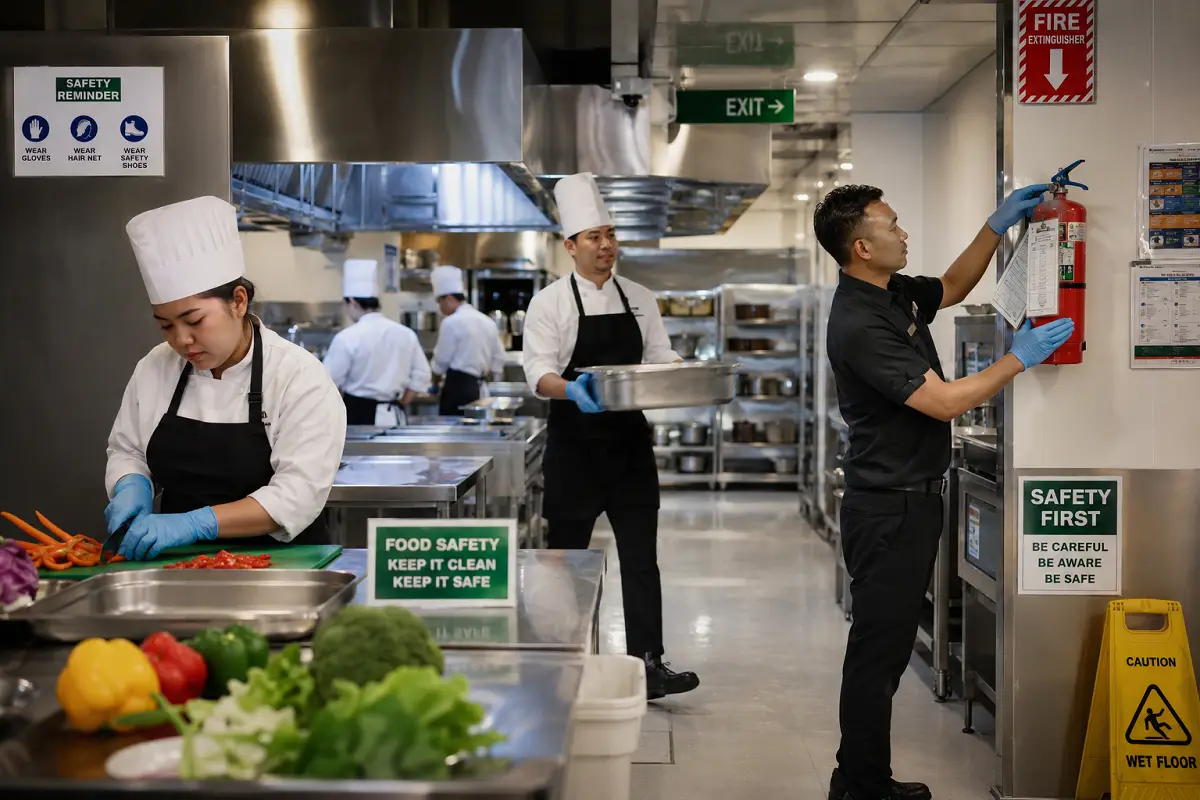
The latest feedback from the floor points to one issue that keeps causing service friction: safety gets ignored when the pressure builds. The strongest teams don't wait for accidents to happen. They build safe habits into every shift, every task, and every department.
Employee health and safety guidelines training is designed for employees working in food and beverage service, kitchen operations, housekeeping, front office, maintenance, and other hotel departments. The purpose of this training is to ensure a safe working environment, reduce workplace accidents, and maintain compliance with safety regulations. Employee health and safety guidelines training is important because it protects staff, reduces service interruptions, supports productivity, and keeps operations running smoothly.
Overview of Employee Health and Safety Guidelines
Employee health and safety guidelines training focuses on spotting workplace hazards, preventing accidents, and building safe work habits across hotel and restaurant operations. Hospitality environments come with real risks every day, slips, trips, falls, burns, cuts, chemical exposure, equipment injuries, and manual handling incidents.
Safety is everyone's responsibility. Not just management's. Every employee must follow procedures, report hazards, and support workplace safety efforts.
Hotels and restaurants operate under constant pressure. Staff work around guests, equipment, chemicals, hot surfaces, and sharp tools. And when safety standards slip, accidents happen fast.
Strong safety programs protect employees, reduce absenteeism, improve morale, and keep operations moving. Safe teams perform better. Period.
SOP Procedure for Employee Health and Safety
Employee health and safety guidelines training follows a structured SOP framework to maintain consistent workplace safety practices.
1. Pre-Shift Safety Inspection
Check work areas before starting. Look for spills, equipment faults, blocked exits, or any unsafe condition.
2. Personal Protective Equipment (PPE) Compliance
Wear required PPE including gloves, aprons, safety shoes, masks, or protective eyewear where applicable.
3. Safe Equipment Operation
Use equipment according to SOPs and manufacturer instructions. Never improvise.
4. Hazard Identification and Reporting
Report unsafe conditions immediately and follow established corrective action procedures.
5. Safe Work Practices
Follow department-specific safety procedures when handling food, chemicals, machinery, or heavy loads.
6. Emergency Response
Respond according to emergency procedures during fire, injury, evacuation, or security incidents.
7. Incident Documentation
Record accidents, injuries, near misses, and safety concerns according to company policy.
8. Post-Shift Review
Leave the area safe for the next shift. Clean workstations, shut down equipment properly, and remove hazards.
Safety is built through repetition. Follow the process every shift.
Operational Safety Procedures Across Hotel Departments
Every department faces different risks. The controls may change, but the expectation stays the same.
Food Production and Kitchen Safety
• Use knives according to safety procedures
• Store cutting tools correctly
• Keep floors free from grease and water
• Handle hot equipment carefully
• Follow food safety and hygiene standards
• Use heat-resistant gloves when required
Food and Beverage Service Safety
• Carry trays using approved techniques
• Keep service pathways clear
• Report spills immediately
• Handle glassware carefully
• Follow safe lifting procedures
Housekeeping Safety
• Display caution signs during cleaning
• Store chemicals securely
• Follow chemical handling procedures
• Use proper lifting techniques when handling linen
Maintenance Department Safety
• Follow lockout and equipment isolation procedures
• Use approved tools only
• Wear required protective equipment
• Secure repair areas properly
Front Office Safety
• Keep emergency exits clear
• Follow cash handling security procedures
• Report suspicious activity immediately
• Maintain hazard-free lobby areas
One unsafe action can affect the entire operation. Stay alert.
Employee Interaction and Safety Communication Standards
Good safety starts with good communication. Problems reported early are easier to fix.
Safety Briefings
Attend daily or shift-based briefings covering:
• Operational hazards
• Maintenance activities
• Weather-related risks
• Special events or high-volume periods
• Emergency procedures
Reporting Unsafe Conditions
Report immediately:
• Damaged equipment
• Broken flooring
• Electrical hazards
• Chemical spills
• Fire risks
• Unsafe guest behavior
Emergency Communication Procedures
Every employee must know:
• Emergency contact numbers
• Evacuation routes
• Assembly points
• Fire alarm procedures
• First aid reporting processes
Accident Response Guidelines
When an incident happens:
• Protect yourself first
• Inform supervisors immediately
• Secure the area if required
• Provide assistance within your training limits
• Complete all required documentation
Common Communication Failures
- Delayed hazard reporting
- Incomplete incident details
- Failure to report equipment defects
- Ignoring safety warnings
Pro tip: Small hazards become big incidents when nobody speaks up.
Tools, Equipment, and Safety Resources
The right equipment only works when employees use it correctly.
Personal Protective Equipment (PPE)
• Safety shoes
• Protective gloves
• Face masks
• Aprons
• Safety goggles
Emergency Equipment
• Fire extinguishers
• Fire blankets
• First aid kits
• Emergency lighting systems
• Alarm systems
Safety Monitoring Resources
• Safety inspection checklists
• Incident report forms
• Hazard assessment records
• Training logs
• Safety audit reports
Chemical Safety Resources
• Chemical storage cabinets
• Material Safety Data Sheets (MSDS)
• Spill response kits
• Chemical labeling systems
Equipment Usage Guidelines
• Inspect equipment before use
• Follow operating instructions
• Report defects immediately
• Never bypass safety guards
• Store equipment properly after use
Respect the equipment. It protects you when used correctly.
Service Standards and Workplace Safety Benchmarks
Safety standards must be visible, measurable, and enforced.
Key Safety Standards
• PPE compliance: 100% where required
• Hazard reporting: immediate notification
• Emergency exit accessibility: 100% compliance
• Incident documentation: completed within company timelines
• Equipment inspection compliance: according to schedule
• Safety training participation: 100%
Operational Safety Benchmarks
• Workstation inspection before every shift
• Spill response within 2 minutes of identification
• Emergency reporting immediately upon occurrence
• Safety briefing attendance before operational periods
• Equipment defect reporting without delay
These benchmarks keep teams accountable and reduce avoidable incidents.
Evaluation and Continuous Safety Improvement
Safety is never finished. Strong operations review, measure, and improve continuously.
Evaluation Methods
• Workplace safety audits
• Supervisor observations
• Incident trend analysis
• Safety compliance inspections
• Employee knowledge assessments
• Emergency drill evaluations
Continuous Improvement Activities
• Refresher safety training
• Emergency response drills
• Hazard awareness programs
• Equipment safety workshops
• Departmental safety meetings
Corrective Action Process
• Identify safety issue
• Assess associated risk
• Implement corrective measures
• Monitor effectiveness
• Document improvements
Common problems show up repeatedly: poor lifting technique, PPE non-compliance, delayed reporting, unsafe equipment use, and weak emergency awareness. Fix them through training, supervision, and daily discipline.
Employee health and safety guidelines are the backbone of a reliable operation. Safe teams work faster, make fewer mistakes, and keep service moving. Protect your people first, and the business takes care of itself.
Read more about zero waste kitchen management.