Importance of Gloves in Food Handling Training for Hotel Operations
Learn importance of gloves in food handling training with SOP procedures, food safety controls, hygiene practices, service standards, and operational guidelines for hotel and restaurant operations.
 Jyoti Kushwaha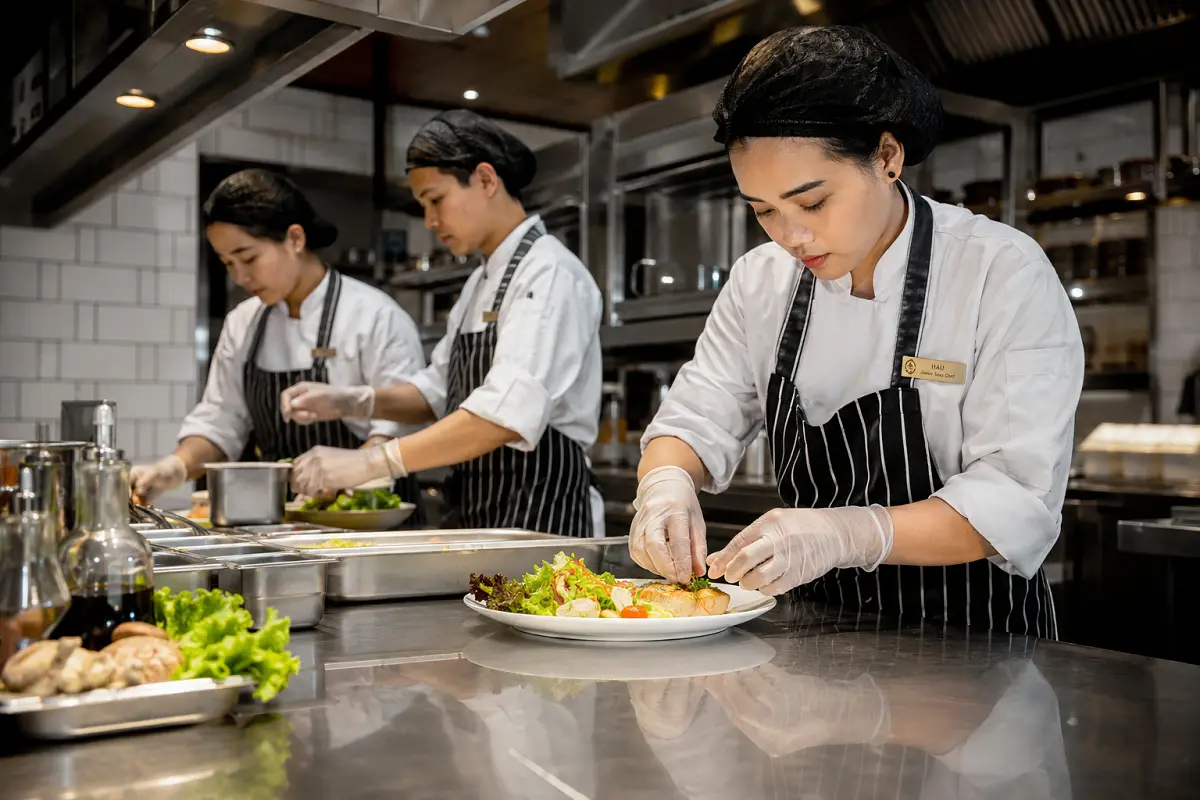
The latest feedback from the pass suggests one thing: gloves are being worn more often, but not always used the right way. And that creates a false sense of safety. Gloves help protect food. But only when staff understand when to wear them, when to change them, and when to throw them away. Good glove habits stop contamination before it reaches the plate.
Overview of the Importance of Gloves in Food Handling
Importance of gloves in food handling training focuses on the correct use of disposable gloves during food preparation, service, storage, and handling activities. Gloves create a barrier between hands and food. They help reduce the transfer of microorganisms, allergens, and foreign materials. In hotel and restaurant operations, team members handle raw ingredients, cooked foods, ready-to-eat items, utensils, and service equipment all day long. One careless touch can move harmful bacteria from one surface to another. Here's the part many people miss. Gloves do not replace handwashing. They are an extra layer of protection. Staff must know when gloves are required, how to wear them correctly, and exactly when they need to be changed. Proper glove management supports food safety compliance, protects guests, and helps prevent foodborne illness.
Pro tip: Dirty gloves are just dirty hands with a different look.
SOP Procedure for Glove Usage in Food Handling
The importance of gloves in food handling training follows a structured SOP to maintain hygiene throughout food operations.
1. Handwashing Before Glove Use
Wash hands thoroughly using approved handwashing procedures before putting on gloves.
2. Glove Inspection
Check gloves for tears, damage, contamination, or defects before use.
3. Proper Glove Application
Wear clean gloves that fit properly and fully cover the hands.
4. Food Handling Activities
Use gloves when handling ready-to-eat foods, garnishes, bakery products, and other items requiring direct-contact protection.
5. Glove Replacement
Change gloves immediately when contaminated, torn, after handling raw foods, or when switching tasks.
6. Safe Glove Removal
Remove gloves carefully to avoid contaminating hands or nearby surfaces.
7. Handwashing After Removal
Wash hands immediately after removing gloves.
8. Disposal Procedures
Dispose of used gloves in designated waste containers. Follow every step. Skip one, and the whole control system weakens.
Operational Steps for Safe Glove Management
Glove use should be built into daily kitchen and service routines.
Receiving and Storage Activities
- Use gloves when handling sensitive food items where required
- Store glove supplies in clean, dry locations
- Maintain adequate inventory levels
- Protect gloves from contamination during storage.
Food Preparation Activities
• Wash hands before wearing gloves
• Use separate gloves for different food categories
• Change gloves between raw and ready-to-eat food handling
• Avoid touching non-food surfaces while wearing gloves
Cooking and Production Activities
• Replace gloves after handling raw meat, poultry, or seafood
• Use fresh gloves when handling cooked foods
• Remove gloves before touching equipment controls whenever possible
Service Operations
• Wear gloves when handling ready-to-eat items
• Change gloves after clearing tables or handling payments
• Replace gloves after waste disposal activities
Operational Timing Standards
• Handwashing before glove use: every time
• Glove replacement: immediately upon contamination
• Glove disposal: immediately after use
• Handwashing after removal: without delay
Consistency matters. Guests never see these habits, but they feel the results.
Guest Service Interaction and Food Safety Practices
Food safety doesn't stop at the kitchen door. Service teams play a direct role in protecting food quality and guest health.
Food Service Procedures
• Handle ready-to-eat foods using gloves or approved utensils
• Avoid direct hand contact with food surfaces
• Maintain professional hygiene standards during service
Buffet Service Controls
• Use gloves when replenishing food displays
• Replace gloves after touching non-food items
• Maintain separate utensils for each food item
Allergen Management
• Change gloves before preparing allergen-sensitive meals
• Use clean gloves when handling special dietary orders
• Prevent allergen cross-contact through proper glove replacement
Common Glove Usage Errors
• Wearing gloves without washing hands first
• Using the same gloves for multiple tasks
• Touching phones, doors, or equipment while wearing gloves
• Failing to replace damaged gloves
• Assuming gloves eliminate all contamination risks And that's where many food safety failures start.
Tools and Equipment Used for Glove Compliance
Good glove practices depend on having the right resources available.
Protective Equipment
• Disposable food-grade gloves
• Nitrile gloves
• Vinyl gloves
• Latex-free gloves where required Hand Hygiene Equipment
• Handwashing stations
• Soap dispensers
• Hand sanitizing products where approved
• Disposable paper towels
Monitoring Resources
• Hygiene inspection checklists
• Food safety audit forms
• Employee training records
• SOP compliance logs
Usage Guidelines
• Store gloves in sanitary conditions
• Use the correct glove size
• Replace gloves regularly
• Follow manufacturer recommendations No glove program works if supplies run out or are stored poorly.
Service Standards and Performance Monitoring
Importance of gloves in food handling training requires measurable standards to maintain compliance and food safety performance.
Key Service Standards
• Handwashing compliance: 100%
• Glove replacement compliance: 100% when required
• Ready-to-eat food protection: 100% compliance
• Hygiene audit performance: according to company standards
• Food contamination incidents: zero tolerance target Operational Benchmarks
• Gloves available at all workstations
• Immediate replacement of contaminated gloves
• Continuous supervisor monitoring during operations
• Compliance with food safety
SOP requirements Monitoring Activities
• Daily hygiene inspections
• Food safety audits
• Supervisor observations
• Employee competency assessments
• Corrective action reviews What gets checked gets maintained.
Evaluation and Continuous Improvement Glove procedures need regular review. Good habits fade when nobody reinforces them.
Evaluation Methods
• Workplace observations
• Food safety inspections
• Hygiene compliance audits
•Staff knowledge assessments
• Guest feedback reviews where applicable
Continuous Improvement Activities
• Food safety refresher training
• Hygiene workshops
• SOP reviews
• Corrective coaching sessions
• Operational compliance meetings
Common issues show up repeatedly: poor handwashing, delayed glove changes, incorrect storage, and lack of awareness around contamination risks. Fix them early. Don't wait for an audit or guest complaint. Importance of gloves in food handling training gives hospitality teams the knowledge needed to protect food, maintain hygiene standards, and reduce contamination risks. When combined with proper handwashing, sanitation procedures, and active supervision, correct glove usage helps keep food safe, supports smooth service, and protects every guest who sits at the table.
Read more about Advanced restaurant management training.