Nobu Hotel Madrid Opens in the Heart of Las Cortes District
Nobu Hotel Madrid opens in Las Cortes with 50 rooms, a tri-level dining destination, a vault-inspired cocktail bar, and panoramic rooftop in the Spanish capital.
 RUKAIYA KADIWAL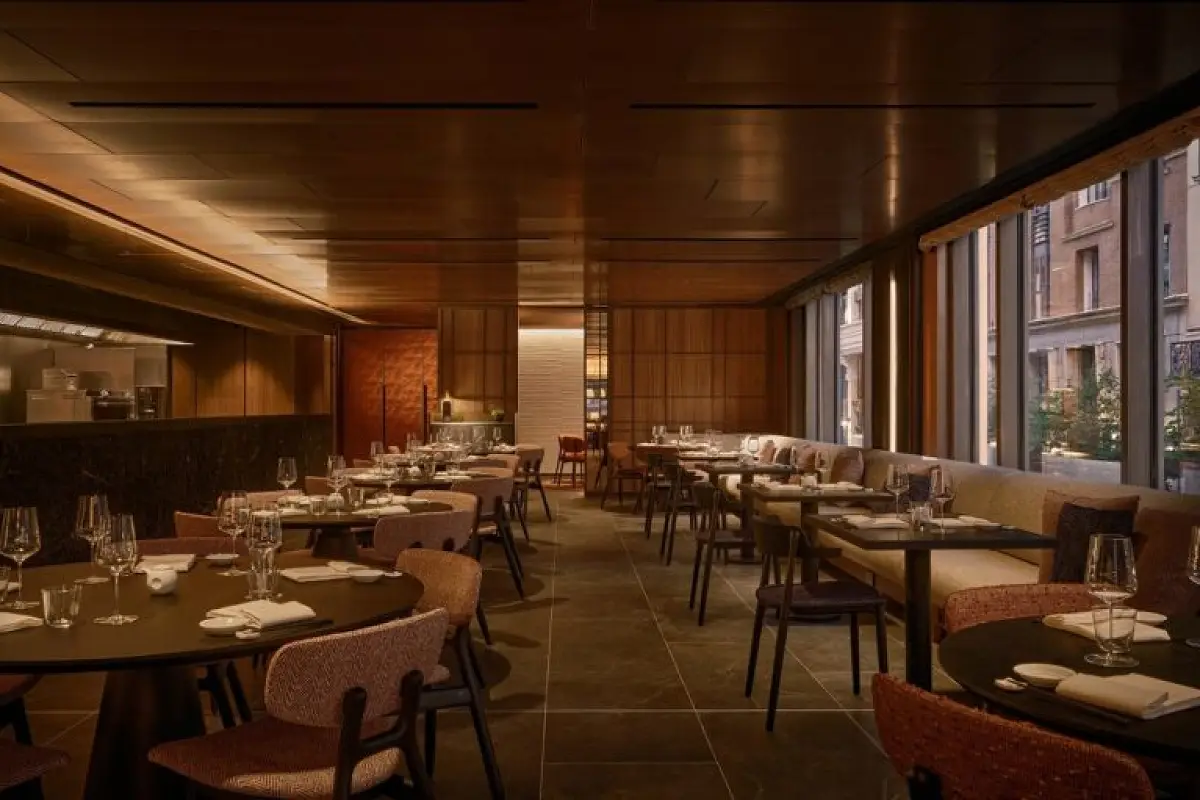
The building on the corner of Madrid's Las Cortes district had a previous life as a bank. Its vault walls are still there, thick and immovable, the kind of architecture that was built to outlast whoever occupied it. The safety deposit boxes remain too, now set into the walls of a cocktail bar where a high-fidelity vinyl DJ system has replaced whatever once hummed behind the counter. This repurposing, of gravity into atmosphere, of financial institution into social space, of the permanent structures of one era into the sensory environment of another, is what Nobu Hotel Madrid has made its opening statement.
Nobu Hotel Madrid opened on September 4, 2026, positioned between Plaza de Cibeles and Puerta del Sol in the Las Cortes district, one of the Spanish capital's most historically layered neighborhoods. The 50-room property marks the brand's first presence in Madrid and introduces the city's first Nobu restaurant as part of a tri-level dining destination that spans the hotel's ground floor, lobby, and seventh-floor rooftop. Madrid, a city that has spent recent years consolidating its reputation as one of Europe's most significant luxury and cultural destinations, now has a Nobu address.
The opening is the brand's fifth Spanish property, a statistic that locates Madrid not as an isolated market entry but as the next step in a sustained engagement with Spanish hospitality. Each previous opening built the brand's familiarity with Spanish guests and operators. The Madrid property benefits from that accumulated understanding while carrying the additional weight that comes with entering the capital for the first time.
A Restaurant Built Around Two Culinary Traditions and One Spanish Larder
The Nobu restaurant at the hotel's heart brings together the culinary philosophy that has defined the brand since chef Nobu Matsuhisa first combined Japanese technique with South American flavour in New York decades ago. The signatures that have traveled with the brand across every opening are here: Black Cod Miso, slow-cured and silken; Yellowtail Jalapeño, its heat arriving after the fat of the fish. What Madrid adds to that canon is a set of local ingredients that give the menu a specificity to its location. Canarian sea bass and Mediterranean tuna appear alongside the global signatures, ingredients sourced from the waters and coasts that frame the Iberian Peninsula rather than imported wholesale from elsewhere.
The dining room designed by GRONDA, the internationally recognised architecture and design studio, translates Nobu's Japanese heritage through what the studio describes as a warm contemporary lens. Bronze-toned ceilings absorb the room's light. Dark stone flooring carries it downward. Timber panelling runs along walls broken by floor-to-ceiling windows that open the room to the streets of Las Cortes beyond, giving diners a visual connection to the neighborhood while the interior maintains a considered separation from its ambient noise.
The Bar That Lives in the Vault
Descending to the lower ground floor brings a different atmosphere entirely. The intimate cocktail bar draws its identity from the building's former life without apologizing for the contrast between then and now. The thick vault walls and original safety deposit boxes that once served the bank's clients now frame a space built around a vinyl DJ system, the warmth of analog sound in a room whose acoustics were shaped for a different kind of security. The drinks program pairs martini-style cocktails with twists on local classic dishes, another expression of the hotel's willingness to treat Spanish culinary tradition as a creative resource rather than a background reference.
The vault bar's design logic is worth dwelling on. A space that chose to retain the bones of its industrial past rather than erase them in favor of a neutral luxury interior is making a statement about how it understands itself in relation to the city. Madrid has centuries of layered history beneath its contemporary surface. A bar that keeps its vault walls is acknowledging that history rather than covering it, finding the hospitality potential in what was already there.
Seven Floors Up, the City Spreads Out
The Rooftop on the hotel's seventh floor operates at a different register from the restaurant below. Panoramic views of Madrid replace the intimate dining room framing, and the menu shifts accordingly, aperitivo-style cocktails and a relaxed, shareable food program suited to the particular tempo of a sunset in a city that begins its evenings later than most of Europe. The rooftop does not try to replicate the restaurant's culinary seriousness. It offers something else: the city at a specific hour, from a specific height, with a drink in hand.
Between the rooftop and the restaurant, the Lobby Lounge occupies the hotel entrance as a space conceived with a specific social ambition. Rather than a transitional zone between arrival and accommodation, it is designed as a living room for both guests and the local community, a phrase that has appeared in hotel design briefs with increasing frequency in recent years but that carries genuine weight here given the neighborhood's density of local life. A specialty coffee program developed with local roasters anchors the daytime offering, alongside kombucha, wines by the glass, cocktails, and light dishes, a range that changes character as the day advances without requiring the space to be physically transformed.
Fifty Rooms Designed for an Urban Centre
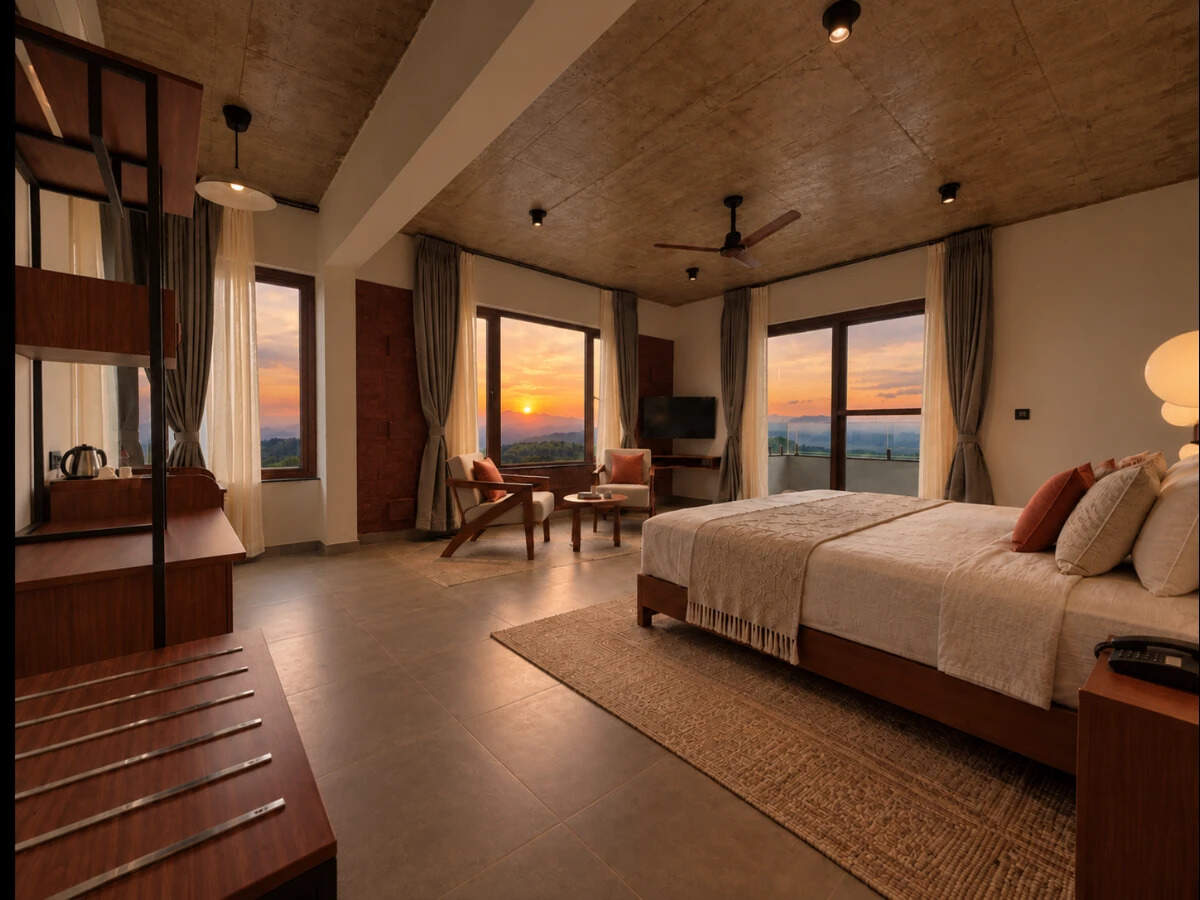
The hotel's 50 rooms and suites, designed by Studio Caramba, operate on the principle of the urban refuge, a term that earns its meaning in a district as active as Las Cortes. Warm wood tones, organic textiles, deep green accents, and softly layered lighting create interiors that feel removed from the street's pace without feeling disconnected from it. Floor-to-ceiling windows frame views over the city in a way that makes the exterior world a visual element of the interior experience rather than something to be managed with curtains.
The signature Nobu Suite extends across 105 square metres of living space and includes a private terrace, giving guests at the top of the range an outdoor connection to the Madrid skyline that the standard rooms achieve through glass alone. In-room dining draws from the Nobu kitchen, and priority restaurant access, signature beds, and BYREDO amenities round out an offering calibrated for guests who understand the Nobu brand's standards before they arrive and expect consistency with what they have found elsewhere.
What Madrid Gains From a Nobu Opening
Madrid's luxury hospitality landscape has developed significantly over the past decade, attracting international brands and driving investment into the kind of design-led hotel experience that the city's growing position as a European cultural capital has made viable. A Nobu opening in this context is not simply another luxury hotel. It is the arrival of a brand whose reputation for Japanese-inflected dining has, in many of its other locations, created dining destinations that draw visitors who would not otherwise have chosen that city as their base.
The Las Cortes district, positioned between the Prado and the Retiro, between the Gran Via and the Paseo del Arte, is dense with cultural infrastructure that already draws the kind of traveler the Nobu brand serves. A hotel that sits at that intersection, offering a restaurant with genuine culinary identity alongside a cocktail bar built from the bones of a bank and a rooftop with the Madrid skyline, has found a location that gives every element of its offering a context worth arriving for.
A Vault, a Rooftop, and a City Ready for Both
The thick vault walls in the basement bar will still be standing when whatever comes after Nobu Hotel Madrid eventually takes its place in this building. That kind of permanence has a humbling quality in a hospitality industry where openings and closures follow each other with the regularity of seasons. What the hotel has done with those walls, what it has done with a building's history and a city's culinary culture and a brand's global language, will be judged over time by whether the Lobby Lounge fills with locals in the afternoon, whether the restaurant earns the kind of loyalty that makes a reservation in Las Cortes feel like returning somewhere rather than arriving somewhere for the first time. Madrid does not reward novelty for its own sake. It rewards places that learn to belong.
Related reading: Inside Spain's hotel development dispute and what it means for tourism