Summit Hotels Collections Now Reshape India Growth Strategy
Summit Hotels Collections launches three verticals, Mandir, Offbeat, and Signature, to target spiritual tourism, emerging destinations, and premium hospitality across India.
 RUKAIYA KADIWAL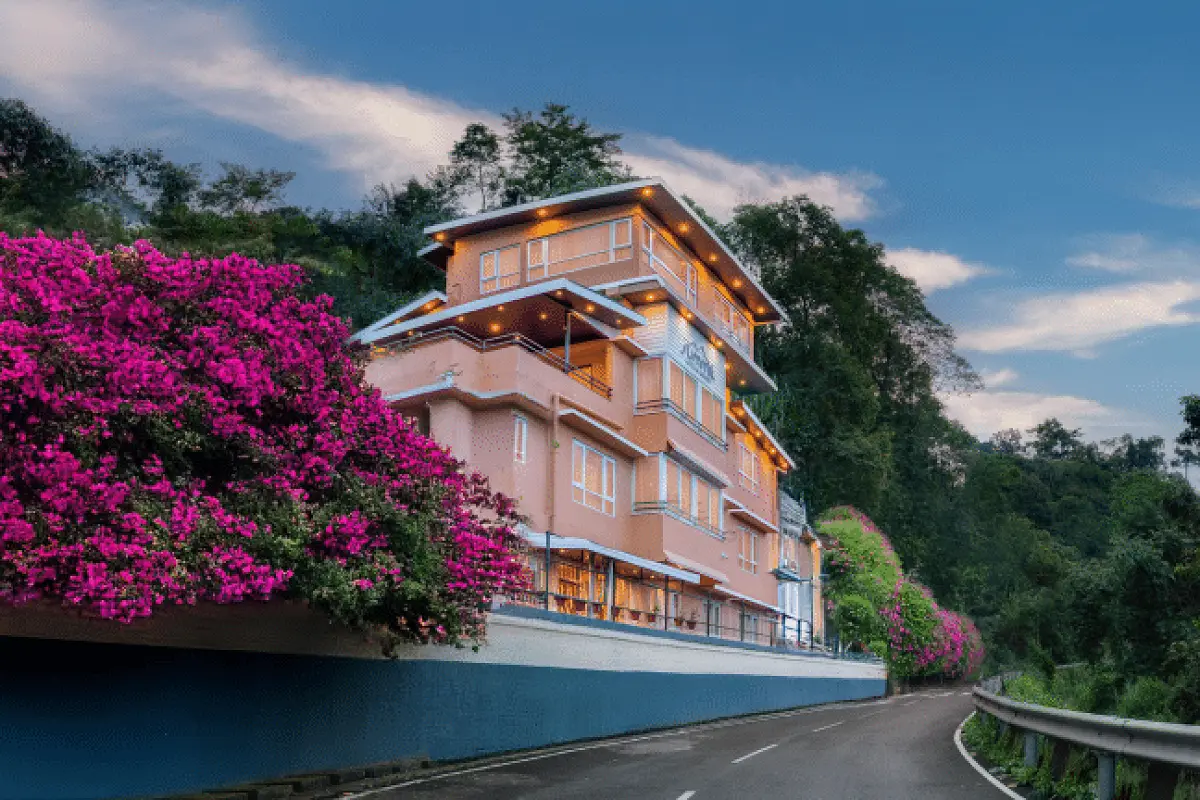
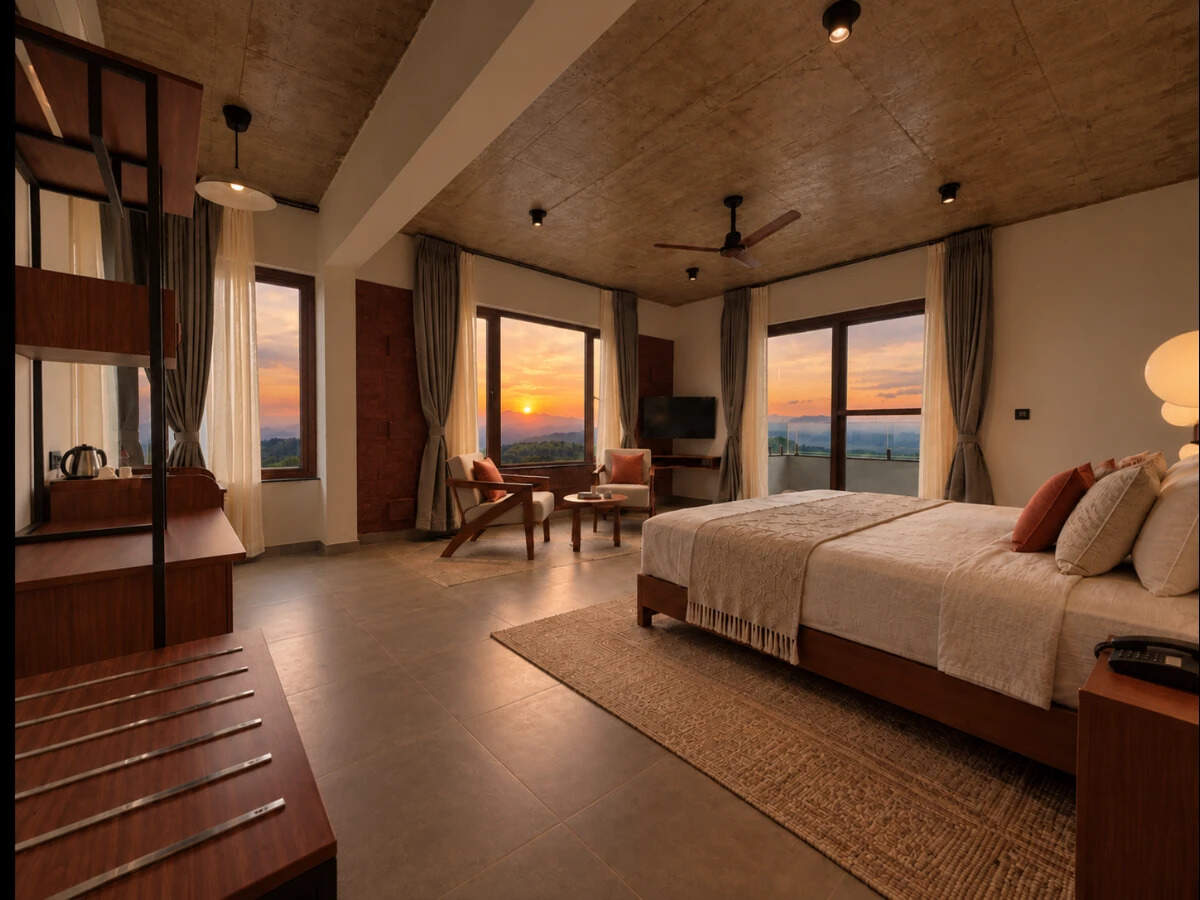
A hillside hotel in Kurseong sits inside a tea estate where the mornings arrive cold and the view stretches across the Himalayan foothills. Guests at Summit Bougainvillea Tea Resort wake to a landscape that most of the country has not yet discovered, which is precisely the point. For eighteen years, Summit Hotels and Resorts has been finding places like this before they make it onto mainstream itineraries. Now the company has built a formal framework around that instinct.
Summit Hotels Collections marks a strategic reorganisation of the 18-year-old hospitality company into three distinct portfolio verticals: Mandir Collection for spiritual tourism, Offbeat Collection for emerging leisure destinations, and Signature Collection for premium experiential hospitality. The launch reshapes how Summit positions its existing properties and identifies where it will expand next.
Summit Hotels Collections: Why the Three-Format Structure Now
Summit's roots are in the Eastern Himalayas and the leisure markets surrounding them. Properties in Gangtok, Kalimpong, Kurseong, Pelling, and Dirang have formed the core of a portfolio built around one consistent instinct: get to a destination early, understand it deeply, and build a hotel that reflects it honestly. The three collections do not change that instinct. They give it a vocabulary.
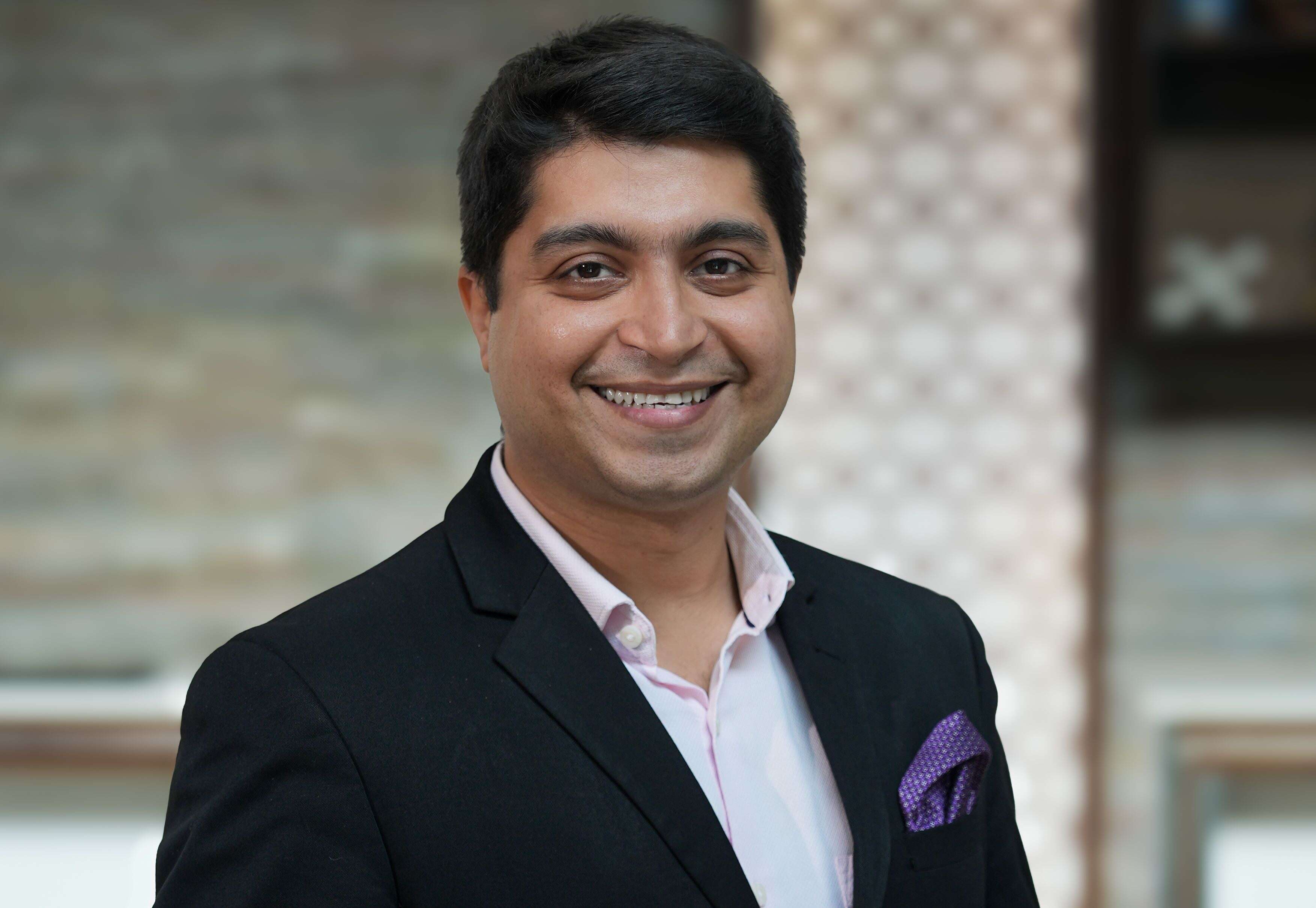
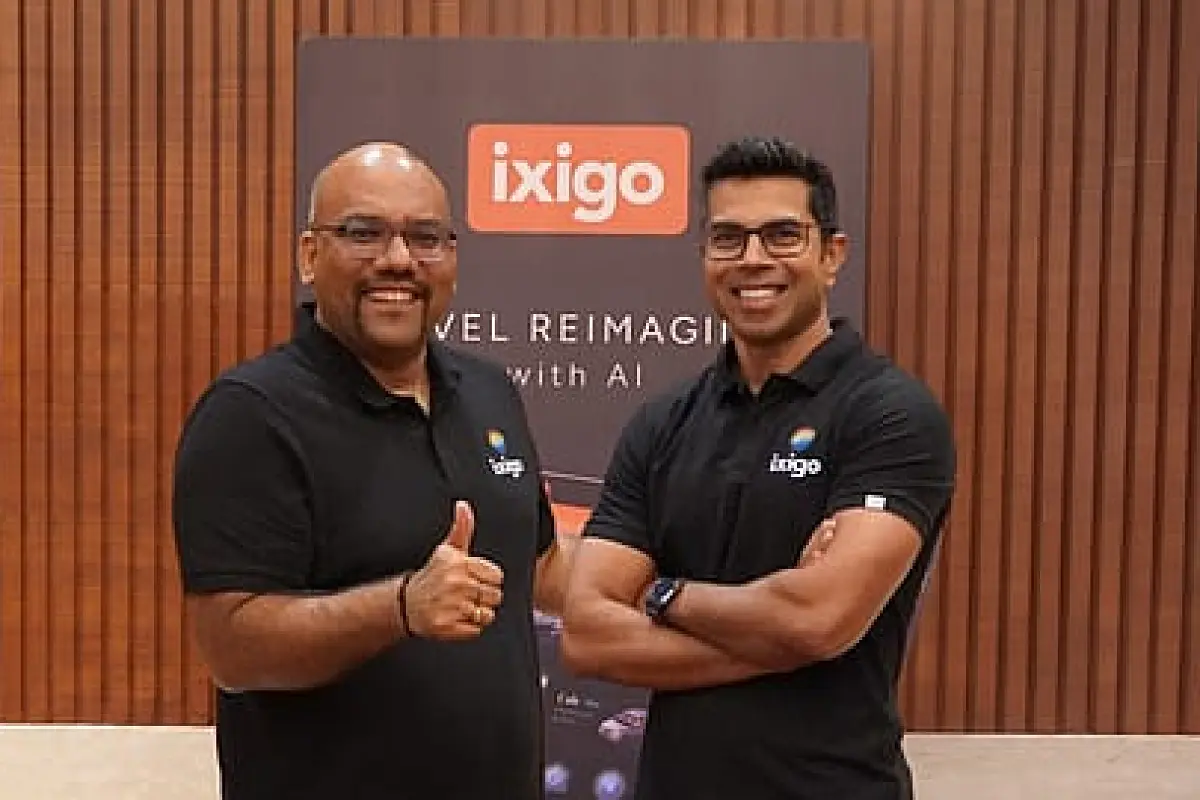
Sumit Mitruka, CEO of Summit Hotels and Resorts, explained the logic behind the reorganisation in terms that go beyond marketing category. "India's next hospitality opportunities will not necessarily emerge only from destinations that are already established," he said. "We see considerable potential at the intersection of changing travel motivations and destinations that are still evolving."
His framing matters because it separates Summit's strategy from the conventional hotel company playbook of chasing proven demand in established markets. The three collections are built around why people travel as much as where they travel, a distinction that becomes increasingly important as India's domestic travel market matures and diversifies.
Summit Hotels Mandir Collection: Spiritual Tourism as a Hospitality Category
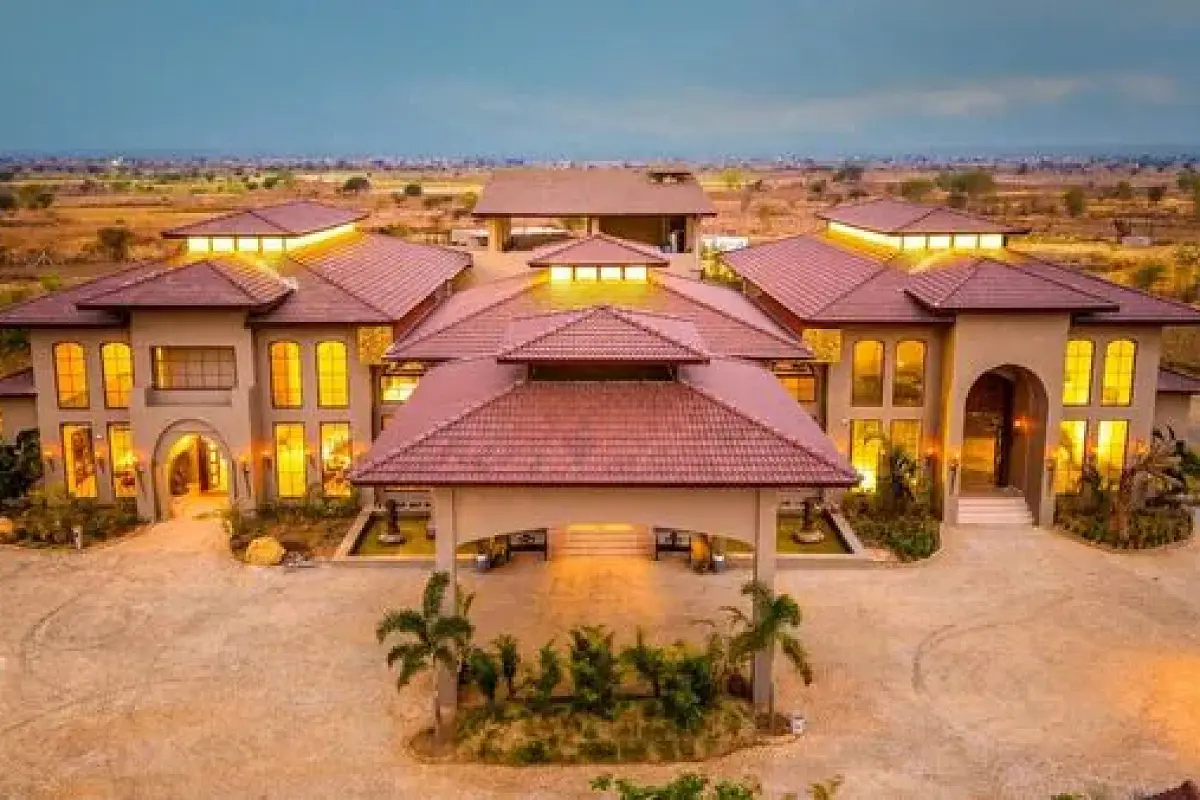
The Mandir Collection marks Summit's first formal entry into spiritual tourism, one of India's largest and most underserved hospitality segments. The collection will launch with Summit Salasar, The Mandir Collection, in Salasar, Rajasthan, a significant pilgrimage destination associated with the Salasar Balaji temple.
The format combines accommodation with Satvik dining, wellness programming, and spaces designed for spiritual and community experiences. Satvik food, which avoids meat, alcohol, and certain pungent ingredients in keeping with the principles of traditional Indian spiritual practice, is not simply a menu restriction. It is a culinary philosophy that shapes what a kitchen grows toward rather than what it excludes. Designing a hotel around that philosophy from the outset produces a different kind of dining room and a different kind of guest relationship than adapting a standard hotel restaurant to accommodate pilgrimage visitors.
Summit Hotels Offbeat Collection and the Early-Entry Strategy
The Offbeat Collection formalises a pattern Summit has followed for years across the Himalayan foothills. Properties in Lamahatta, Kalimpong, Kurseong, and Pelling represent destinations that were outside mainstream tourism circuits when Summit arrived. Samthar, still relatively unfamiliar to most travelers, is next.
Entering a destination before it becomes well known carries both opportunity and obligation. The opportunity is establishing a position that later arrivals cannot easily replicate. The obligation is helping build the destination rather than simply benefiting from it, which means investing in staff from the local community, sourcing food from nearby farms and markets, and treating the landscape as something worth preserving rather than simply framing through a window.
Summit Hotels Signature Collection: Premium Built Around Place
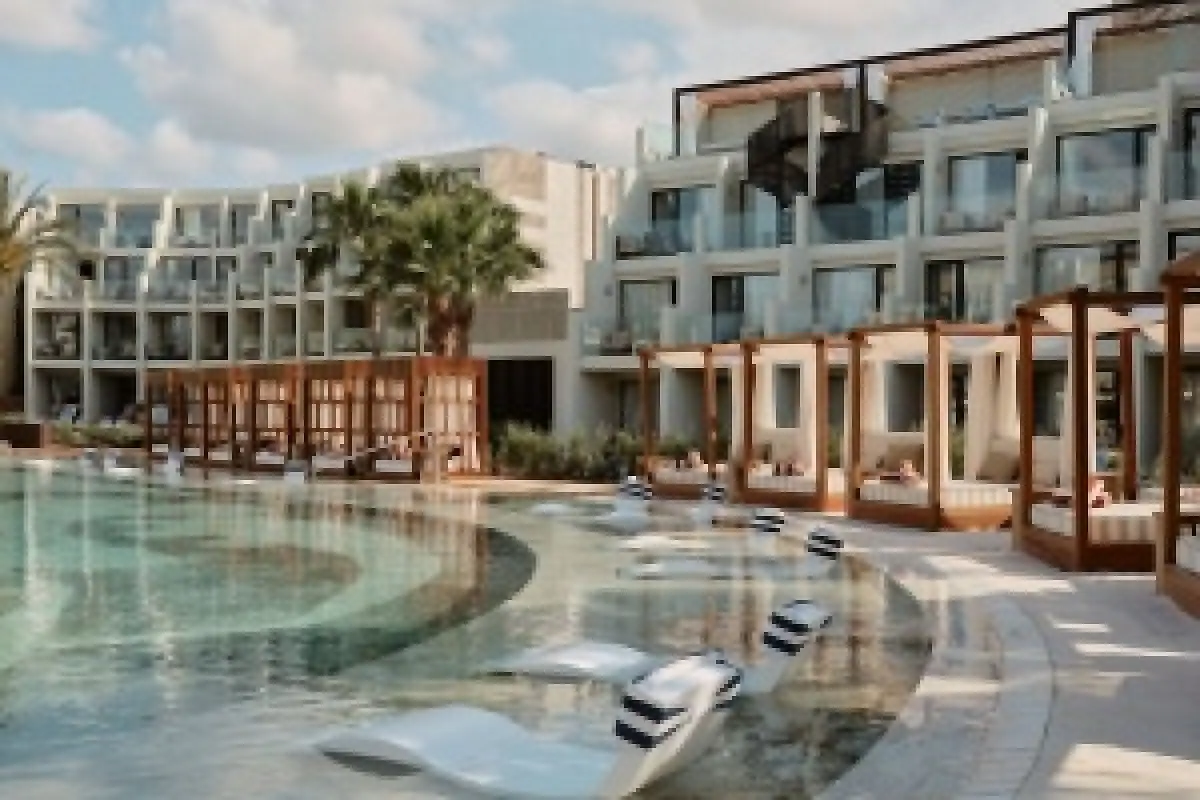
The Signature Collection brings together Summit's premium properties under a format where luxury is specifically tied to the character of the destination rather than applied generically over it. Summit Norbu Ghang in Gangtok and Rungkhung Village Resort in Dirang, Arunachal Pradesh anchor the collection, extending Summit's premium presence deeper into the Northeast.
Premium experiential hospitality in India has typically meant proximity to an established attraction with high quality rooms and good food layered on top. Summit's Signature Collection proposition is different in emphasis, destination character comes first, and the premium experience is built from what that character can offer rather than what can be imported to supplement it.
What This Strategy Reflects About India's Hospitality Market
The three-collection structure reflects a broader shift in how Indian travelers choose their destinations. Spiritual tourism has always driven significant volume in India, but purpose-built hotels designed specifically for pilgrimage guests rather than adapted from business hotel templates represent a genuine gap. The Offbeat Collection addresses a different kind of traveler, one seeking experience and discovery rather than comfort and convenience alone. The Signature Collection captures the premium end of that same impulse.
International hospitality brands are similarly rethinking how sustainability and local identity sit at the centre of a premium offer rather than alongside it. Coverage of how 1 Hotel Austin is building luxury around sustainability principles reflects a parallel logic at a different scale, where the defining character of a property becomes the basis for its premium positioning rather than a feature added to standard luxury.
A Company Betting on Where India Will Travel Next
Mitruka closed his description of the strategy with a statement that captures what eighteen years of building hotels in places others have not yet found produces. "The strategy is ultimately about being early in markets where we believe travel demand will deepen over time." That sentence contains a specific kind of confidence, not in a market that already exists at scale, but in one that Summit has watched develop and believes it understands well enough to move into before the crowds arrive.
Summit Hotels Collections is the formal expression of that confidence, organised into three formats that speak to three different versions of why someone might leave home and seek somewhere new to stay. The Kosi River will keep moving past the pilgrimage town of Salasar, and the tea estate hills around Kurseong will keep being cold in the mornings regardless of what Summit builds there. What the company is betting on is that more people, traveling for more different reasons, will want to be in those places in the years ahead.
Learn more at Summit Hotels' official website.