Haitian Restaurant Brooklyn TPS Owner Calls Crisis Worse Than COVID
A Haitian restaurant Brooklyn TPS story shows how the end of Temporary Protected Status is emptying Little Caribbean's streets and threatening local businesses.
 RUKAIYA KADIWAL
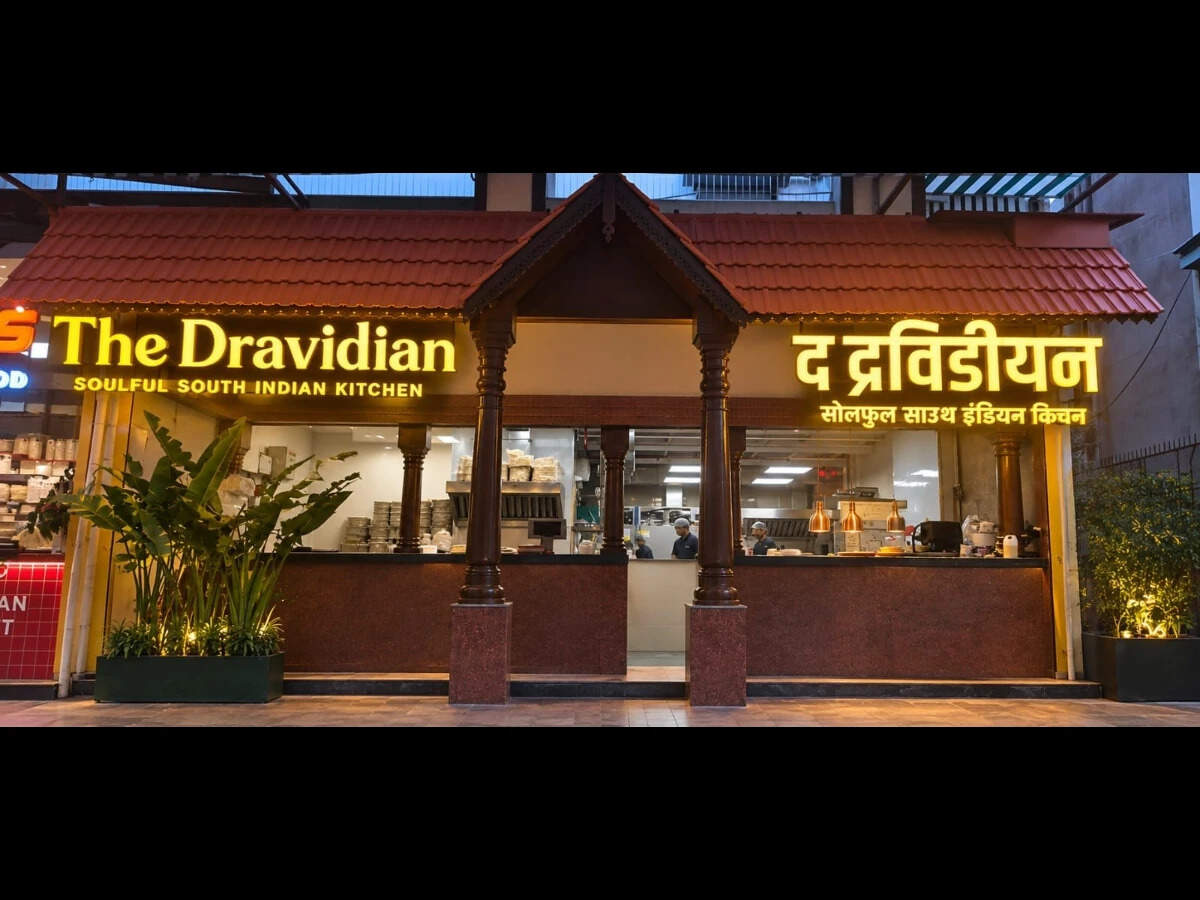
Wesly Simon has let go of employees before, but never like this. Standing inside the Brooklyn restaurant he opened during the darkest months of the pandemic, he describes firing longtime workers not as a single decision but as something closer to dismantling a family. "It's like I'm firing the whole family," Simon said. "I'm firing the kids, I'm firing their wife. I'm firing them." His restaurant, a fixture in Brooklyn's Little Caribbean neighborhood, is now caught in the fallout of a policy change reaching far beyond his kitchen.
A Policy Change With Immediate Consequences
At least 5,000 Haitian immigrants in New York City, and roughly 300,000 nationwide, have lost their ability to work legally in the United States after the Trump administration ended Temporary Protected Status for Haiti. For businesses like Simon's, built in part on the labor of workers who held that status, the termination has forced sudden, painful staffing decisions with no clear path forward.
A Community Staying Home
The damage extends well past payroll. Haitian immigrants across the country now weigh every errand against the risk of deportation, a calculation that keeps longtime customers away from restaurants and shops that once anchored their daily routines. "They're just in limbo, working around, whatever, living on their savings," Simon said of his former employees. "Now, some of them never go out."
Worse Than the Pandemic That Launched His Business
Simon opened his restaurant during COVID, a period most business owners describe as the hardest of their careers. He does not describe this moment that way. "This is actually worse than COVID," he said. "COVID we have the stimulus. There's no stimulus. The business is not getting employee retention." The comparison carries weight precisely because it comes from someone who survived the pandemic and now says this crisis has proven harder to weather.
A Neighborhood Described as a Ghost Town
Porez Luxama, president of Life of Hope, an organization supporting Haitian immigrants in Brooklyn, described the broader community impact in similarly stark terms. "I feel like it's COVID for us again," Luxama said. "It feels like it's a ghost like town. The fear and the anxiety." He said many who lost legal status are now avoiding public spaces entirely. "They go home. They're scared. They're afraid about whatever is going to happen to them. They don't want to go on the street."
Deportations Continuing at Scale
The federal government has said it plans to increase deportation flights to Haiti to a rate of 250 people per week, flights that have continued for weeks already, though it remains unclear how many former TPS holders have been aboard them. The Department of Homeland Security has publicly stated that those with terminated TPS status are in the country illegally and face two options, leaving voluntarily or being deported.
A Community That Once Felt Welcomed
Haitian TPS holders were first granted protection following the devastating 2010 earthquake, a designation extended repeatedly over 15 years due to Haiti's continued instability. Both Luxama and Simon said their community was once viewed as a genuine contributor to local neighborhoods and the broader economy, a perception they feel has shifted abruptly.
What Simon Is Still Asking For
Simon believes the consequences of this policy will extend well beyond the current moment. "Give the ones that are law abiding a chance to live their lives," he said. "That's all Haitians are asking for, a chance to live their dream." For a restaurant built during one crisis and now straining under another, that request remains, for now, unanswered.
More information is available on the official website at scrippsnews.com. Further reading on the restaurant industry is available at hospitalitycareerprofile.com.