Ryanair Says Free In‑Flight Wi‑Fi Is Coming but Starlink Isn’t the Solution Yet
Ryanair says free in‑flight Wi‑Fi will come when cost and demand align but Starlink satellite internet isn’t viable yet under its low‑fare model.
 Jishan Khan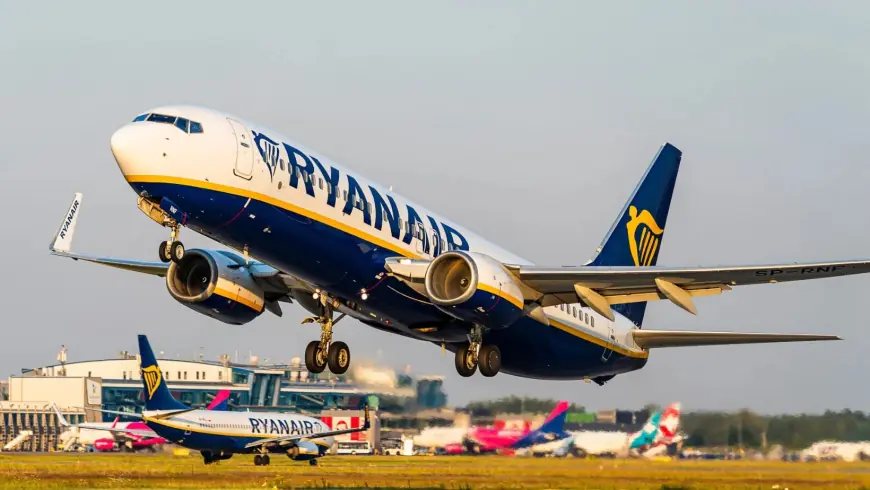

Ryanair has clarified its position on free in‑flight Wi‑Fi, signalling that the service is expected to arrive when technological cost and passenger demand align, but saying Elon Musk’s Starlink satellite internet currently does not fit its low‑fare operational model.
The Dublin‑based budget airline’s finance chief reiterated that fitting Starlink equipment — which would require satellite antennas on the aircraft fuselage — would add aerodynamic drag and materially increase fuel burn, making it too costly for short European routes that define Ryanair’s network strategy. Ryanair’s average flight time on these routes is about two hours, where demand for paid connectivity remains uncertain among largely price‑sensitive customers.
Ryanair’s comments reflect broader industry dynamics, in which major full‑service and long‑haul carriers increasingly deploy satellite‑based broadband to satisfy premium and business travellers, while low‑cost operators weigh connectivity investments against tight unit cost targets. Airlines such as British Airways, Lufthansa and SAS have publicly committed to Starlink or similar satellite internet services, often embedding connectivity into loyalty offerings or treating it as a “cost of doing business” on longer sectors.
The debate flared into the public eye following a highly visible exchange between Ryanair’s outspoken CEO and Elon Musk, whose SpaceX operates the Starlink satellite network. Musk disputed the airline’s cost assumptions, including the impact of fuel drag, and in a social media post even floated the idea of acquiring the carrier. Ryanair’s leadership rejected the suggestion and described the remarks as ill‑informed, underscoring a clash between technology providers and a carrier rooted in ultra‑lean operations.
Ryanair has engaged with Starlink over the past year but remains cautious, citing internal analysis showing that anticipated incremental revenue from passenger Wi‑Fi uptake — even if paid for — would not justify the added costs under current business conditions. The airline is reportedly exploring alternative connectivity solutions, including potential future options with other satellite internet providers, but only if total costs can be reduced.
Industry analysts say the situation highlights a strategic fork in in‑flight internet adoption. Full‑service carriers are increasingly using broadband as a differentiator to attract higher‑yield travellers and deepen ancillary revenue through advertising or premium services. In contrast, budget carriers like Ryanair prioritise keeping base fares low and view connectivity as ancillary at best, especially where alternatives like mobile roaming or pre‑boarding entertainment exist.
For passengers, the conversation around free Wi‑Fi underscores evolving expectations in airline service. Connectivity has become a standard offering on many international and long‑haul flights, and demand continues to grow for streaming, video calls and real‑time work while airborne. How airlines balance these expectations with cost discipline will shape competitive dynamics in short‑haul markets across Europe and beyond.
Ryanair’s stance illustrates a critical tension in the budget segment: whether to invest in amenities that may boost passenger satisfaction but could erode its core low‑fare value proposition. The airline’s position suggests that free in‑flight Wi‑Fi is on the horizon, but only when cost structures and customer willingness to pay converge to make it sustainable under Ryanair’s high‑utilisation, low‑cost model.