The Autumn House 2.0 Opens at Yamuna Sports Complex
The Autumn House 2.0 has opened at Yamuna Sports Complex, expanding the café’s presence in Delhi NCR with a refreshed format and larger experiential focus.
 Prajakta Sanjay Warwadkar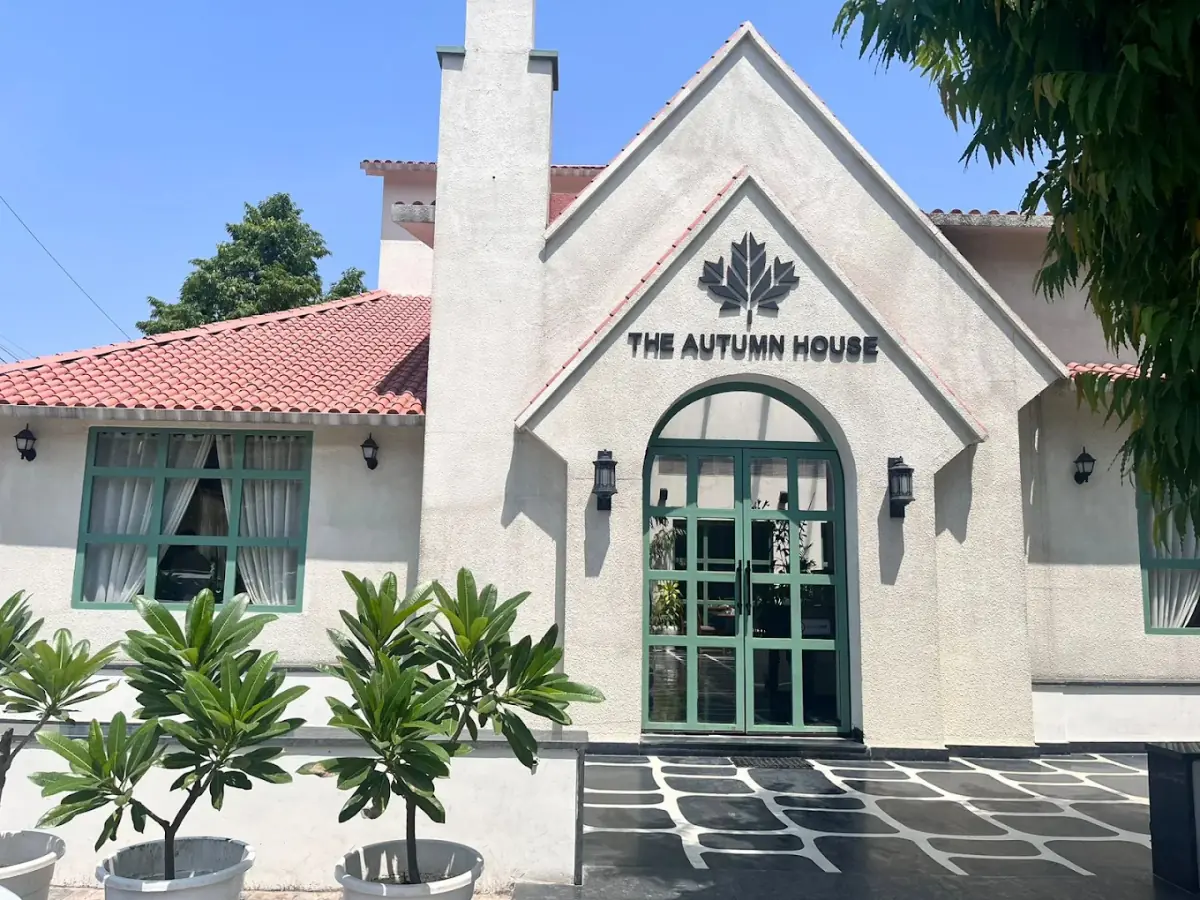

The Autumn House Unveils Its Next Chapter
The Autumn House has launched its second-generation outlet, The Autumn House 2.0, at Yamuna Sports Complex in Delhi NCR. The opening marks a strategic evolution of the brand, moving beyond a neighbourhood cafe format into a larger, experience-led dining destination. The new outlet reflects changing consumer preferences in the region, where diners are increasingly drawn to expansive venues that combine food, design, and social interaction under one roof.
Strategic Choice of Yamuna Sports Complex
Yamuna Sports Complex has emerged as a growing lifestyle and leisure hub, attracting families, fitness enthusiasts, and young professionals. Its scale and accessibility make it an attractive location for destination dining concepts. For restaurant brands, such integrated complexes offer steady footfall and longer dwell time. The Autumn House 2.0’s presence here positions it to tap into both planned visits and spontaneous dining occasions.
From Cafe to Experience-Driven Format
The Autumn House originally built its identity as a cafe focused on comfort food and relaxed social spaces. With the 2.0 version, the brand appears to be broadening its scope to meet evolving market expectations. Larger seating capacity, design-forward interiors, and a more immersive environment indicate a shift from casual cafe culture toward experiential dining, a segment gaining traction across Delhi NCR.
Design as a Core Brand Element
Design plays a central role in the Autumn House 2.0 concept. Contemporary aesthetics, open layouts, and thoughtfully planned zones contribute to a setting designed for longer stays and social engagement. In today’s dining landscape, ambience is no longer secondary. Restaurants are increasingly expected to function as social hubs, work-friendly spaces, and leisure destinations, all of which influence repeat visits.
Evolving Cafe Culture in Delhi NCR
Delhi NCR’s cafe culture has matured significantly over the past decade. Consumers now expect cafes to offer more than food and beverages, seeking environments that support meetings, celebrations, and relaxed downtime. The Autumn House 2.0 aligns with this shift, positioning itself as a versatile venue rather than a single-purpose cafe. This adaptability is critical in a competitive market with diverse consumer needs.
Menu Strategy and Consumer Expectations
While cafes once relied heavily on limited menus, today’s consumers look for variety, quality, and consistency. Expanded formats often allow brands to diversify offerings while maintaining core favourites. The Autumn House’s move into a larger outlet provides scope to enhance menu depth, accommodate group dining, and cater to a wider demographic without compromising its original brand identity.
Scale and Operational Complexity
Scaling up from a smaller cafe to a large-format outlet introduces operational challenges. Staffing, service coordination, inventory management, and quality control become more complex as scale increases. Successful execution depends on strong systems and trained teams. The Autumn House 2.0 launch suggests the brand is confident in its ability to manage these operational demands.
The Role of Destination Dining
Destination dining has become a key growth driver in urban hospitality. Diners are willing to travel for unique environments that offer a complete experience rather than just a meal. By choosing a landmark location like Yamuna Sports Complex, The Autumn House positions itself as a planned destination rather than a convenience-driven outlet, supporting higher engagement and longer visit durations.
Competitive Landscape in Delhi NCR
Delhi NCR remains one of India’s most competitive restaurant markets. New openings must differentiate clearly to gain attention and loyalty. The Autumn House 2.0 competes not only with cafes but with multi-format restaurants, lounges, and experiential spaces. Its success will depend on consistent delivery across food, service, and ambience.
Brand Evolution Without Dilution
One of the key challenges in brand expansion is maintaining identity while evolving. Customers familiar with The Autumn House will expect continuity in quality and ethos. The 2.0 format represents an opportunity to strengthen the brand narrative rather than reinvent it. Balancing familiarity with innovation will be critical to retaining existing patrons while attracting new ones.
Consumer Demand for Social Spaces
Post-pandemic dining behaviour has reinforced the importance of social spaces. Consumers increasingly seek environments that encourage interaction, comfort, and flexibility. Restaurants that can host casual meetings, celebrations, and relaxed gatherings tend to perform well. The Autumn House 2.0’s scale and layout suggest alignment with this behavioural shift.
Implications for Cafe-Led Brands
The expansion highlights a broader trend of cafe led brands transitioning into larger lifestyle formats. As competition intensifies, scale and experience become important differentiators. For the industry, such moves signal confidence in sustained dining-out demand and the willingness of consumers to engage with evolving formats.
Future Growth Potential
The launch of The Autumn House 2.0 may serve as a blueprint for future expansions. If successful, the model could be replicated in other high-footfall lifestyle destinations across the region. However, growth will likely remain measured, focusing on locations that support the brand’s experience-first positioning rather than aggressive footprint expansion.
Industry Perspective
The opening reflects how hospitality brands are responding to a more discerning consumer base. Dining is increasingly about context, atmosphere, and emotional connection alongside food quality. Brands that understand this shift and invest accordingly are better placed to build long-term relevance in competitive urban markets.
Looking Ahead
The Autumn House 2.0 represents a strategic evolution rather than a simple expansion. Its performance will indicate how effectively cafe origin brands can transition into large-format experiential dining. As Delhi NCR’s hospitality landscape continues to evolve, concepts that combine strong identity, thoughtful design, and operational discipline are likely to stand out. The Autumn House’s latest opening positions it firmly within this next phase of market development.