United Joins with Delta, Aegean, Wizz Air, Air Europa, Azerbaijan Airlines, Air France, AirBaltic In Resuming Flight Service to Tel Aviv, Here is an Update
 Munni Khatun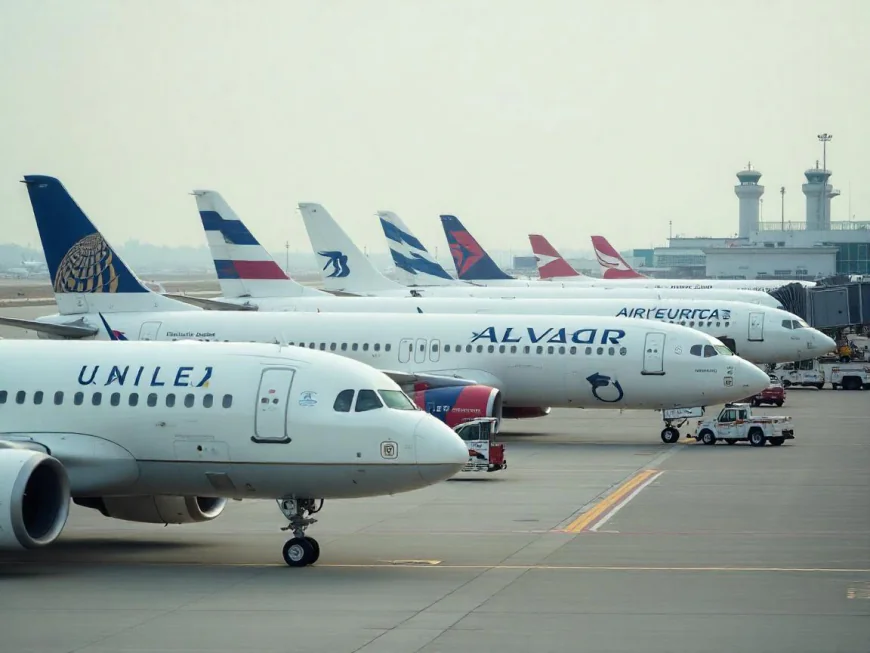

After weeks of tense uncertainty, major airlines are once again charting paths back to Tel Aviv. The airspace is no longer silent. It’s stirring with cautious confidence. United Airlines is now joining the growing list of global carriers—Delta, Aegean, Wizz Air, Air Europa, Azerbaijan Airlines, Air France, and AirBaltic—all committing to the skies over Israel once more. This is not just a return to scheduled service. It’s a signal. A turning point in regional aviation recovery.
The resumption of flights to Tel Aviv comes after a sudden wave of suspensions in early May, triggered by a missile strike that shook the aviation world. But now, plans are shifting. Routes are reopening. Carriers are taking calculated steps forward.
United and Delta represent the renewed American presence. Aegean and Air Europa reflect confidence within Europe. Wizz Air and Air France bring back vital connectivity. Azerbaijan Airlines and AirBaltic widen the regional network.
But questions remain. What changed? Why now? And what does it mean for travelers, especially those eyeing Israel this summer?
With so many airlines returning to Tel Aviv—and each with their own timeline, strategy, and risk assessment—this evolving story holds more than just flight numbers. It’s about security, readiness, and a region in motion.
Keep reading. The skies above Tel Aviv may be reopening, but the full picture is only just beginning to emerge.
United Airlines Breaks the Silence, Resumes Flights to Tel Aviv After Missile Strike Sends Shockwaves Through Global Aviation
In a bold and calculated move, United Airlines has announced the resumption of flights between New York (JFK) and Tel Aviv (TLV) starting June 5, 2025. This decision follows a chilling incident earlier this month when a Houthi ballistic missile struck near Terminal 3 of Israel’s main international airport.
The missile’s impact, though not directly hitting the terminal, rattled the aviation world. It exposed the very real vulnerabilities of civilian air infrastructure in volatile regions. It also brought flights to a screeching halt, grounding thousands of travelers and prompting an international reassessment of security protocols.
Commercial Flights Grounded by Missile Strike: A Region Disrupted
On May 4, most foreign airlines, including United, suspended services to Tel Aviv. The reason? A missile launched from Yemen exploded dangerously close to Ben Gurion Airport’s airfield, narrowly missing the airport’s control tower.
This wasn’t just a near miss—it was a wake-up call. Passenger safety was suddenly in question, and the ripple effect was immediate. Airlines pulled out. Itineraries vanished. Families were left stranded on both sides of the ocean.
Global Fallout: Airlines Retreat, Tourists Trapped
The incident sparked a domino effect of flight cancellations across Europe and the Middle East. Major carriers like Ryanair, British Airways, and several members of the Lufthansa Group—including SWISS, Brussels Airlines, Austrian Airlines, and Eurowings—extended service suspensions into late June and July.
Meanwhile, Air France, Iberia, easyJet, and Transavia followed suit, each citing unacceptable risks to passenger and crew safety. Latvian carrier AirBaltic also halted all Israel-bound services.
The result was massive disruption. Tourists cancelled holidays. Families were separated. Israeli nationals abroad struggled to get home. The summer travel season, usually a peak period, quickly became a logistical mess.
United Airlines Reenters the Scene: Confidence or Calculated Risk?
United’s return to Tel Aviv makes it the second major U.S. carrier to reestablish a direct transatlantic link after the attack. This resumption is no knee-jerk reaction. It comes after weeks of internal assessments, dialogue with flight crews, and cooperation with security analysts.
The airline’s move signals a strategic re-entry. It reflects cautious optimism—United believes conditions have stabilized enough to resume operations without compromising safety.
However, the landscape remains far from calm.
Carriers That Stayed the Course
While many international airlines fled, some never stopped flying—or resumed sooner. Delta Air Lines, Air France, Wizz Air, Ethiopian Airlines, Etihad Airways, and Aegean Airlines opted to navigate the security maze and keep routes alive.
These airlines evaluated real-time risk differently. They saw windows of opportunity and made calculated choices to stay operational while taking added precautions.
This patchwork of airline responses reveals how differently carriers approach crisis management in conflict zones. Some freeze operations immediately; others pivot and adapt.
A Boon for El Al, A Blow to Passengers
The absence of foreign carriers handed Israeli airline El Al near-monopoly power on key international routes—especially between Tel Aviv and New York. The impact was felt hard by consumers. With fewer carriers flying, ticket prices soared and seat availability dwindled.
For travelers, choices evaporated. El Al’s dominance created a pricing bottleneck, frustrating both leisure travelers and those with urgent family or business needs.
United’s comeback is not just symbolic—it offers real relief. It introduces competition. It pressures prices. It gives passengers a lifeline.
Security Risks Still Loom
Despite this cautious return, the region remains tense. Since the October 2023 Hamas-led attacks, and the escalating Gaza conflict, Israel has faced persistent threats from Lebanon, Yemen, Iraq, and even Iran.
Two major missile barrages and dozens of smaller drone and rocket attacks have kept the skies on high alert. Airlines, especially those with global operations, continue to juggle diplomacy, risk management, and duty of care.
Every takeoff and landing is now more than logistics—it’s an act of faith in security systems.
What This Means for Travelers
For travelers planning trips to or from Israel this summer, United’s announcement is a hopeful sign—but not a guarantee. As security conditions continue to fluctuate, airlines may change course quickly.
Travelers should:
- Stay updated through official airline alerts.
- Consider flexible booking policies.
- Have contingency plans for last-minute changes.
- Monitor government travel advisories, especially from the U.S., UK, and EU.
While flights may resume, peace of mind is far from restored.
A Fragile Reopening Signals a Complicated Summer
The return of United Airlines to Tel Aviv reflects more than a flight schedule update—it’s a litmus test for the aviation industry’s resilience in high-risk regions.
Every route resumed is a step toward normalcy. Every passenger boarded is a sign of cautious trust. But the balance between risk and recovery remains razor-thin.
For the summer of 2025, travelers to Israel must navigate a fragile landscape, where flights resume, but uncertainty still lingers in the air.
Wings Return to Tel Aviv: Airlines Slowly Resume Flights to Israel Amid Security Recovery
After weeks of turbulence—both literally and figuratively—the skies over Israel are beginning to clear. A cautious but determined wave of international airlines has started to resume flights to Tel Aviv in May 2025, signaling a measured return to travel in a region that had been gripped by uncertainty since early May.
The sudden halt in global air traffic to Ben Gurion Airport (TLV) was triggered by a chilling incident: a Houthi missile fired from Yemen struck just meters from Terminal 3. While no major damage was reported, the impact was enough to jolt the entire aviation industry into action. Almost overnight, airlines grounded flights, travelers scrambled to reroute, and Tel Aviv’s bustling international terminal fell eerily silent.
But the tide is turning.
First Movers Back in the Air
Delta Air Lines was among the first U.S. carriers to reenter the Tel Aviv route. On May 20, Delta resumed its daily nonstop flights from New York-JFK, deploying the fuel-efficient Airbus A330-900neo. This return marked a pivotal moment—not just for transatlantic travel, but for global confidence in regional safety assessments.
European carriers have also joined the momentum. Air France resumed operations on May 27, reinforcing the sense of stability returning to Israeli airspace. Air Europa restarted flights as early as May 11, while Azerbaijan Airlines opened its schedule on May 7.
Other airlines followed: Wizz Air on May 15, Aegean Airlines on May 19, and AirBaltic, which announced its comeback for June 6. Each decision followed its own internal risk assessments and regional consultations—but collectively, they indicate a shared belief: it’s time to reconnect.
United Airlines Signals U.S. Confidence
Adding significant weight to this recovery, United Airlines confirmed it will resume flights between New York and Tel Aviv starting June 5. United becomes the second major U.S. airline to resume the crucial route, which was suspended following the May 4 incident. The carrier emphasized that the return is the result of “detailed operational review” and close coordination with its pilot and flight attendant unions.
This decision offers critical relief for travelers, especially those caught between rescheduled itineraries and mounting fares. With El Al operating near-monopoly levels on several routes, foreign carriers returning introduces both capacity and competitive pricing.
What This Means for Summer Travelers
For the millions planning summer travel to Israel, the timing of these resumptions couldn’t be more vital. May and June typically mark the start of peak travel season, and this year’s uncertainty had placed many vacations, family visits, and business trips on hold.
While not all airlines have returned—with Ryanair, British Airways, and others extending suspensions—this renewed activity signals a positive trajectory. Travelers are advised to check flight status frequently, remain flexible, and monitor official guidance as conditions evolve.
A Delicate but Hopeful Reconnection
The return of these flights is about more than air routes—it’s a symbol of resilience, trust, and reconnection. As airlines take to the skies once again, a shared hope emerges: that safety, stability, and seamless travel can be restored—one flight at a time.