US Sanctions Dormant Yemeni Airline Start-Up Linked to Houthis
The US Treasury’s Office of Foreign Assets Control sanctions dormant Yemeni airline start-up Sama Airline over alleged ties to the Houthi militia, despite no active operations.
 Jishan Khan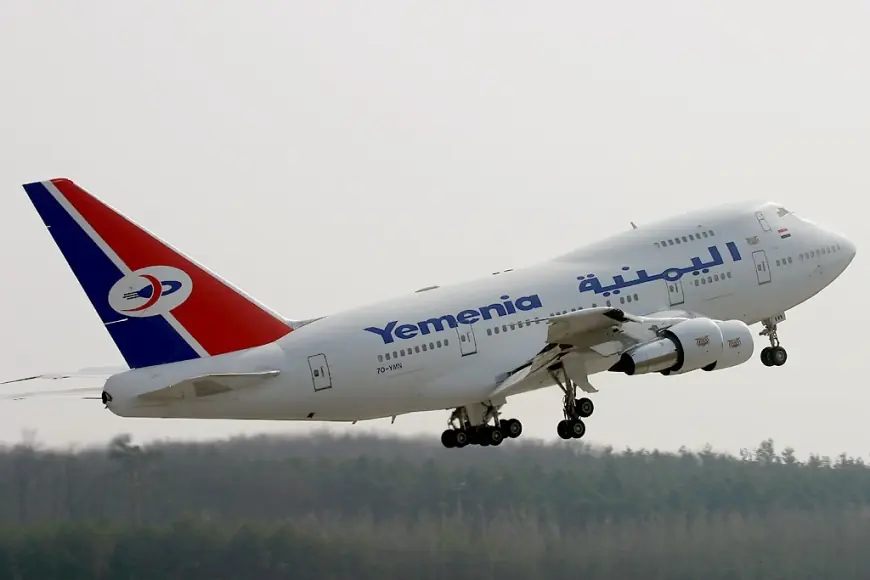

The United States Office of Foreign Assets Control (OFAC) has designated a dormant Yemeni airline start-up, Sama Airline, under sanctions linked to alleged connections with the Houthi militia that controls northwest Yemen, raising broader aviation security and geopolitical concerns in the region. :contentReference[oaicite:0]{index=0}
OFAC’s designation forms part of a concerted effort by the U.S. Treasury Department to constrict financial networks and entities that support Iran-backed Houthi activities, which include political, military and economic dimensions. The move targets Sama Airline despite the company’s lack of operational activity, deeming it a potential conduit for militia finance or influence rather than a functioning passenger carrier. :contentReference[oaicite:1]{index=1}
Sama Airline, incorporated in 2023 and nominally regulated under the Yemeni Civil Aviation and Meteorology Authority, is listed on its own website as claiming to operate a fleet of Airbus A320-200 aircraft. However, aviation intelligence assessments indicate that the company remains dormant and has not commenced scheduled flights or aircraft deployment. :contentReference[oaicite:2]{index=2}
OFAC’s sanctions typically involve blocking property and interests in property of designated entities within U.S. jurisdiction and prohibit U.S. persons from engaging in transactions with listed organisations. In the case of Sama Airline, the designation freezes any U.S.-based assets and bars U.S. carriers, suppliers and financial institutions from direct commercial or financial engagement with the entity. :contentReference[oaicite:3]{index=3}
Sanctions on nominally aviation-linked entities can carry implications beyond direct operational prohibition. Airlines and lessors evaluating commercial relationships or fleet agreements typically conduct enhanced due diligence on counterparties to ensure compliance with international sanctions and anti-money-laundering regulations. The inclusion of a purported airline — albeit inactive — in a sanctions list signals heightened scrutiny of aviation-adjacent networks in conflict zones where militant groups pursue asymmetric financing strategies. :contentReference[oaicite:4]{index=4}
The designation also comes amid a broader U.S. campaign targeting Houthi networks that facilitate oil smuggling, weapons procurement and logistical support for militant operations in Yemen, a country embroiled in a protracted civil conflict that has disrupted both domestic aviation services and international overflight patterns. Treasury officials have linked Sama Airline to business structures associated with other Houthi-affiliated entities, though specific operational evidence remains opaque in public records. :contentReference[oaicite:5]{index=5}
For regulators and aviation compliance teams, the sanction highlights an evolving risk landscape in which nominally civilian enterprises in fragile states may be entangled with sanctioned groups. Compliance frameworks within airlines, aerospace suppliers and financial institutions increasingly factor geopolitical risk into commercial decision-making, particularly in regions where militant control affects governance and economic activity. :contentReference[oaicite:6]{index=6}
Industry observers note that while the immediate effect on global civil aviation operations may be limited — given Sama Airline’s lack of active service — the sanctions underscore how geopolitical conflict and militant affiliations can ensnare nominal aviation projects and deter investment or aircraft transactions involving risk-weighted entities. :contentReference[oaicite:7]{index=7}