Air Canada to Launch Shortest Ever North America–Asia Nonstops
Air Canada will introduce new nonstop Pacific services from Vancouver to Asia, including a shortest‑ever transpacific link to Sapporo, strengthening YVR’s hub role.
 Jishan Khan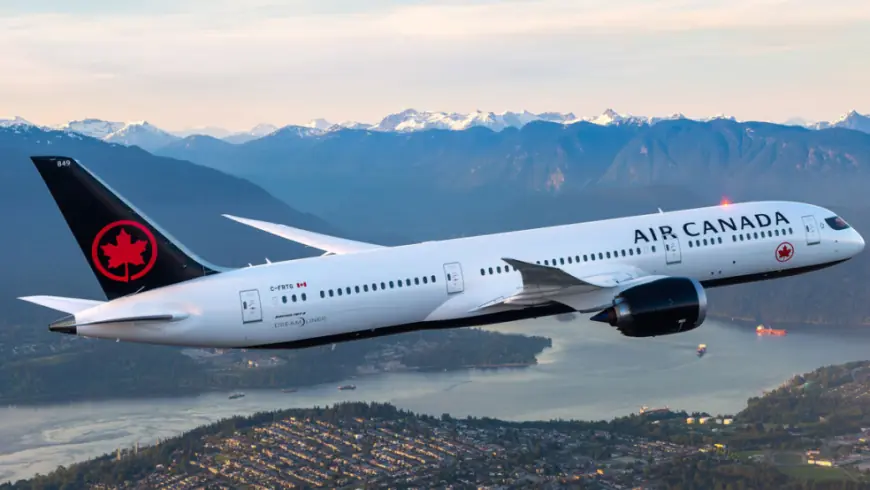

Air Canada is preparing to launch new Pacific nonstop flights that will set a record for the shortest scheduled nonstop connection between North America and Asia, underscoring the airline’s expanding transpacific strategy and the strategic importance of its Vancouver hub.
The carrier will operate nonstop service between Vancouver International Airport (YVR) and New Chitose Airport (CTS) in Sapporo, Japan, a route that will provide one of the shortest scheduled flights on the North America–Asia corridor when it begins operations. The service will be flown by Boeing 787‑8 Dreamliners, configured with business, premium economy and economy cabins, and is slated to operate multiple times weekly. The blocked flight time is about 9 hours westbound, significantly shorter than North America’s longest Pacific routes, reflecting the route’s relatively compact geography compared with deeper transpacific sectors. :contentReference[oaicite:0]{index=0}
The Vancouver–Sapporo service builds on Air Canada’s broader Pacific hub strategy out of YVR, which already includes long‑haul flights to Singapore and Manila and multiple Japanese markets. Vancouver’s geographic position on Canada’s west coast makes it one of the closest major North American gateways to East Asia, enabling relatively efficient flying times to destinations across Japan, Korea, and parts of Southeast Asia.
Introducing a shorter nonstop to Japan aligns with evolving demand patterns, particularly for leisure traffic seeking convenient direct access to Sapporo, a key tourism destination known for winter sports, cultural attractions and seasonal festivals. For Air Canada, the Sapporo link complements existing services to Tokyo and other key Asia‑Pacific cities by offering another point of access to northern Japan, expanding the airline’s portfolio of Pacific options and capturing incremental market share among both Japanese travellers and Canadians seeking outbound Asia leisure travel.
Network economics also favor the route. Shorter nonstop flights can reduce operational costs relative to longer transpacific segments, potentially improving yield outcomes while preserving fleet utilisation. The Boeing 787 broadly supports these economics with fuel efficiency and long‑range capability that align well with Air Canada’s international route planning.
From a competitive perspective, the Sapporo service will be unique among North American carriers, as no other airline offers nonstop flights on this specific sector. The route enhances Air Canada’s leadership in Pacific connectivity and reinforces Vancouver’s role as a strategic gateway that feeds traffic across domestic, U.S. and global connections.
Operational planning for the new service reflects broader trends in transpacific network design, where airlines calibrate capacity not only on traditional east‑west flows but also on shorter segments that can deliver comparable premium travel experience with fewer block hours. This can be particularly attractive in periods of fluctuating global demand, where flexibility and cost efficiency are central to network profitability.
Air Canada’s expanding Pacific footprint, including the addition of this shortest nonstop flight to Asia, underscores the airline’s intent to maximise YVR’s hub advantages and offer differentiated products in key international markets. As transpacific travel continues to recover with solid demand projections, routes like Vancouver‑Sapporo exemplify how carriers deploy a mix of deep and near‑Pacific connections to strengthen competitive positioning and support long‑term network resilience.