The Debate Around Diet Coke: The Rise of Diet Coke Culture
Discover how diet coke culture became a global lifestyle trend, exploring social media influence, zero sugar appeal, artificial sweeteners, and beverage trends.
 Sanjana Dutta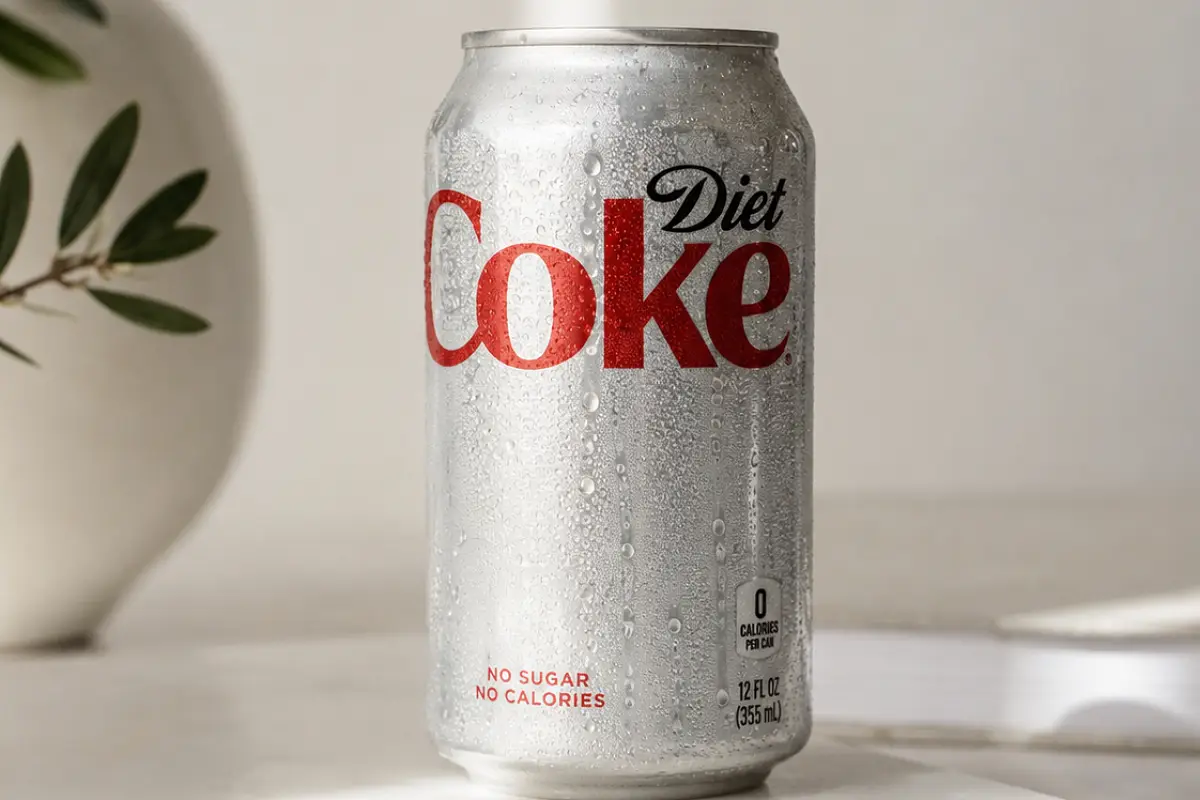
The Debate Around Diet Coke: How Diet Coke Culture Became a Modern Lifestyle Trend
Walk into almost any office, university campus, airport, or social gathering today, and you're likely to spot someone holding a silver can of Diet Coke. What began as a sugar-free alternative to traditional cola has transformed into a cultural phenomenon, lifestyle symbol, and social media favorite.
What Is Diet Coke Culture?
Diet Coke culture refers to the growing trend where consuming Diet Coke has become more than a beverage preference. It has become associated with productivity, fashion, work culture, travel lifestyles, and online aesthetics.
Across TikTok, Instagram, and lifestyle blogs, Diet Coke frequently appears in desk setups, airport routines, study sessions, and "day in the life" content, creating a strong cultural identity around the brand.
Why Has Diet Coke Become So Popular?
1. Zero Sugar Appeal
One of the biggest reasons for Diet Coke's popularity is its sugar-free formula. Many consumers choose it as an alternative to sugary soft drinks while still enjoying a carbonated beverage.
2. Social Media Influence
Social media platforms have transformed Diet Coke into an aesthetic product. Lifestyle influencers frequently feature it in content related to productivity, work routines, and fashion.
3. Celebrity Associations
Many public figures, models, designers, and entertainers have openly shared their love for Diet Coke, helping build its iconic image.
4. Convenience and Availability
Diet Coke is available almost everywhere—from supermarkets and restaurants to vending machines and convenience stores—making it a convenient choice for consumers.
The Arguments in Favor of Diet Coke
- Contains little to no calories.
- Offers a sugar-free alternative to regular soda.
- Provides a familiar taste enjoyed by millions worldwide.
- Easy to access and widely available.
- Fits into many low-calorie lifestyle plans.
The Criticism and Debate
Artificial Sweeteners
One of the most common discussions surrounding Diet Coke involves its use of artificial sweeteners. While approved for use by food safety authorities, some consumers remain cautious about long-term consumption.
Caffeine Content
Diet Coke contains caffeine, which can contribute to increased daily caffeine intake when consumed frequently.
Habit Formation
Many loyal consumers describe Diet Coke as a daily ritual. While enjoying a favorite beverage is common, critics argue that some people become overly dependent on it as part of their routine.
The Health Halo Effect
Because Diet Coke contains no sugar and very few calories, some people assume it is automatically healthy. Nutrition experts often emphasize that low-calorie does not necessarily mean nutritious.
The Social Media Effect
A major factor behind the rise of Diet Coke culture is social media's ability to transform ordinary products into symbols of identity and lifestyle.
Whether featured alongside luxury handbags, office desks, travel content, or study sessions, Diet Coke has become part of a broader visual culture that extends far beyond beverages.
Should You Drink Diet Coke?
The decision ultimately depends on individual preferences, dietary goals, and lifestyle habits. For many people, Diet Coke can be enjoyed occasionally as part of a balanced lifestyle.
However, health professionals generally recommend water as the primary source of hydration, with soft drinks consumed in moderation.
Final Thoughts
The rise of Diet Coke culture demonstrates how branding, social media, and consumer behavior can transform an everyday product into a cultural symbol.
For some, Diet Coke represents nostalgia and comfort. For others, it symbolizes productivity, style, and convenience. Regardless of where one stands in the debate, its impact on modern consumer culture is undeniable.
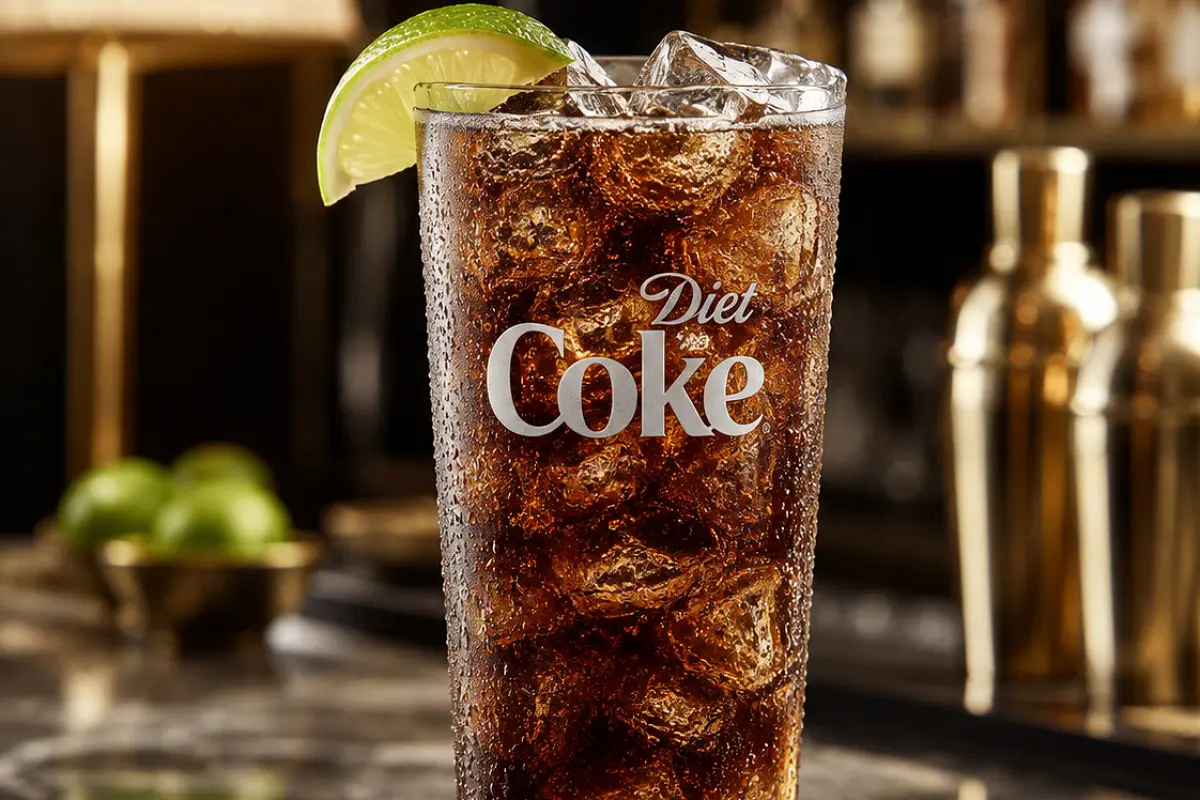
Read more - Classic Diet Coke & Lime