DHL Bases Two Boeing 737-400 Freighters at Lagos Hub
DHL has stationed two Boeing 737-400 freighters at Lagos, strengthening its air cargo capacity and regional logistics network in West Africa.
 Jishan Khan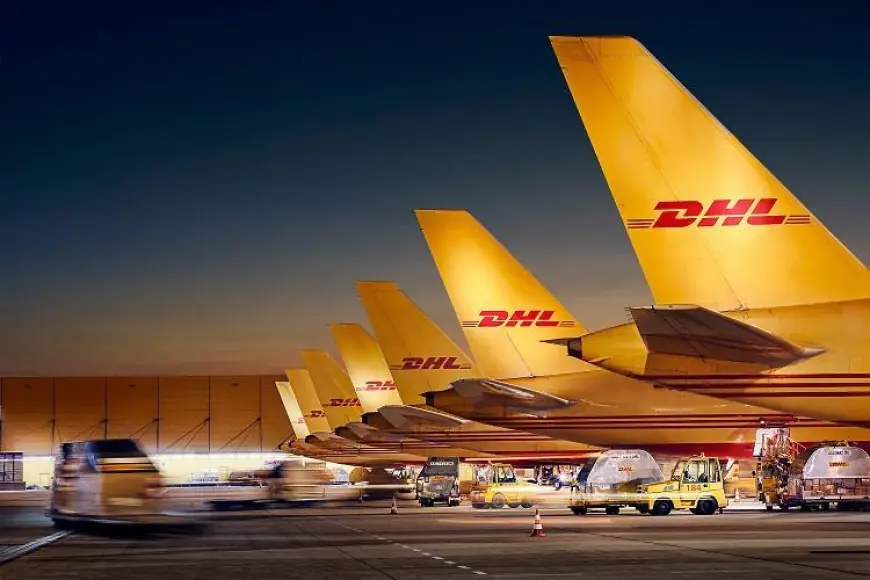

DHL has strengthened its African air cargo network by basing two Boeing 737-400 freighters at Lagos, marking a strategic expansion of its operations in one of West Africa’s most important logistics markets. The move underscores DHL’s long-term commitment to enhancing express freight connectivity across Nigeria and the wider region as demand for reliable air cargo services continues to grow.
Lagos serves as a critical commercial and aviation hub for West Africa, handling a significant share of the region’s trade, e-commerce flows and time-sensitive shipments. By positioning dedicated freighter capacity at the airport, DHL is aiming to improve transit times, network resilience and service reliability for customers operating in and out of Nigeria’s largest economy.
The Boeing 737-400 freighter is a proven workhorse in regional cargo operations, offering a balance of payload capacity, range and operational efficiency. Its suitability for short- to medium-haul routes makes it well aligned with intra-African networks, where infrastructure constraints and variable demand patterns require flexible aircraft deployment. For DHL, basing these aircraft at Lagos allows more responsive scheduling and better integration with its global express network.
Africa’s air cargo market has gained increased strategic importance in recent years, driven by the growth of cross-border trade, pharmaceuticals, perishables and e-commerce. Logistics providers are investing in dedicated freighter fleets and regional hubs to overcome surface transport limitations and improve supply chain reliability. DHL’s latest move reflects this broader industry trend toward strengthening air cargo infrastructure on the continent.
Nigeria’s aviation and logistics sectors play a central role in supporting economic activity, but they also face challenges related to capacity, costs and regulatory complexity. Establishing freighters locally can help mitigate some of these challenges by reducing reliance on ad hoc capacity and improving operational control. For exporters and importers, enhanced air cargo availability can translate into faster delivery times and improved access to international markets.
From a network planning perspective, Lagos offers strategic reach into multiple West and Central African destinations. Basing aircraft locally enables DHL to optimise routing, connect regional spokes more efficiently and respond quickly to fluctuations in demand. This flexibility is particularly important in markets where cargo volumes can be influenced by seasonal trade patterns and external economic factors.
The deployment also highlights the ongoing role of converted narrowbody aircraft in global cargo fleets. While widebody freighters dominate long-haul intercontinental routes, narrowbody freighters such as the 737-400 remain essential for regional distribution. Their lower operating costs and ability to serve secondary airports make them a cornerstone of express logistics networks.
DHL’s investment comes amid intensifying competition in the African logistics market, as global and regional players seek to capture growing trade and e-commerce volumes. Reliable air cargo capacity is increasingly viewed as a differentiator, particularly for sectors that depend on speed and predictability. Strengthening hub operations at Lagos positions DHL to defend and expand its market share in a highly dynamic environment.
The move may also have positive spillover effects for local aviation services, including ground handling, maintenance and airport operations. Increased freighter activity supports job creation and contributes to the development of aviation-related infrastructure, reinforcing Lagos’s role as a regional cargo gateway.
Looking ahead, industry observers expect further investment in African air cargo networks as trade integration deepens and supply chains evolve. DHL’s decision to base additional freighters at Lagos signals confidence in the long-term growth potential of the region and the importance of air freight in supporting economic resilience.
By expanding dedicated freighter operations in Nigeria, DHL is reinforcing its ability to connect African markets with global trade lanes, highlighting how strategic aircraft basing decisions continue to shape the future of air cargo across emerging economies.