Raising the Bar: Inside India’s Bartending Revolution Transforming the Nation’s Hospitality and Mixology Landscape
India’s bartending revolution is reshaping hospitality with innovative mixology, craft cocktails, premium bar programs, and evolving consumer tastes driving a new era for bars and restaurants.
 Prajakta Sanjay Warwadkar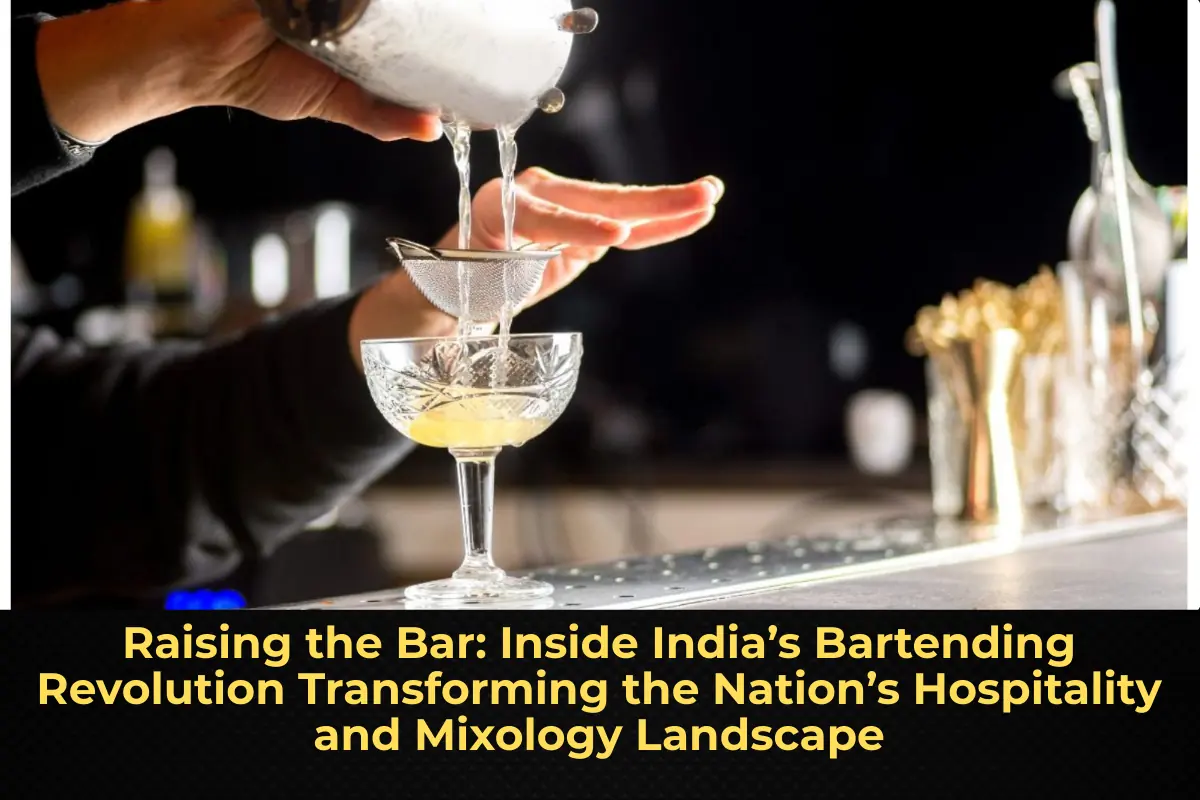

India’s Bartending Revolution: A New Era for Hospitality and Mixology
India’s hospitality sector is undergoing a remarkable transformation, and at the heart of this change lies a dynamic bartending revolution. Over the past decade, bartenders across the country have moved far beyond the traditional role of serving drinks, evolving into creative professionals who shape guest experiences, influence beverage trends, and redefine the bar culture within restaurants, hotels, and standalone cocktail destinations.
This shift is not merely cosmetic; it represents a structural change in how the beverage segment contributes to overall hospitality revenue and brand positioning. With rising consumer awareness, increased exposure to global drinking cultures, and a growing demand for curated experiences, Indian bartenders are now embracing craft techniques, indigenous ingredients, sustainability practices, and storytelling-led mixology. The result is a vibrant and sophisticated bar ecosystem that is influencing how guests perceive dining and nightlife across urban and emerging hospitality markets.
The Evolution of Bartending in India
Historically, bartending in India was largely operational, focused on speed, standard drink recipes, and service efficiency within hotels and clubs. However, as international travel expanded and global beverage trends entered the Indian market, a new generation of bartenders began to view mixology as a creative discipline rather than a purely functional role. This marked the beginning of a cultural shift that continues to shape the modern hospitality landscape.
Today’s Indian bartenders are trained not only in classical techniques but also in flavor science, ingredient pairing, presentation aesthetics, and customer engagement. Their role extends to menu engineering, bar profitability planning, and concept development. As a result, the bar counter has become a stage for innovation, experimentation, and storytelling, transforming it into a central attraction rather than a supporting element of the restaurant experience.
Global Influence Meets Local Identity
The global cocktail renaissance has significantly influenced Indian bartenders, introducing techniques such as molecular mixology, barrel aging, fat-washing, and fermentation. However, what distinguishes India’s bartending revolution is the strong integration of local ingredients and regional narratives. Bartenders are increasingly incorporating indigenous herbs, spices, fruits, and artisanal spirits to create cocktails that reflect India’s diverse culinary heritage.
This fusion of global techniques with local identity allows bars to offer unique beverage experiences that cannot be replicated elsewhere. Guests are drawn to drinks inspired by regional flavors, seasonal produce, and cultural stories, making cocktails more experiential and emotionally engaging. Such innovation also strengthens the connection between beverage programs and the broader gastronomic narrative of the establishment.
The Rise of Craft Cocktail Culture
One of the most defining features of India’s bartending revolution is the rapid growth of craft cocktail culture. Guests are no longer satisfied with generic drink menus; instead, they seek thoughtfully curated cocktails that offer originality, depth of flavor, and visual appeal. This demand has encouraged hospitality brands to invest in specialized bar programs, advanced equipment, and skilled mixology teams.
Craft cocktails emphasize precision, quality ingredients, and a balance of flavors. Bartenders are experimenting with house-made syrups, infused spirits, clarified juices, and artisanal bitters to enhance the complexity of each drink. This meticulous approach has elevated the perceived value of cocktails, enabling restaurants and bars to position themselves in the premium and experiential segments of the market.
Premiumization and Guest Expectations
As disposable incomes rise and consumers become more experience-driven, premiumization has emerged as a key driver of beverage innovation. Guests are increasingly willing to pay higher prices for signature cocktails that offer uniqueness and craftsmanship. This has encouraged hospitality operators to focus on storytelling-driven menus where each cocktail represents a narrative, concept, or cultural reference.
The emphasis on premium experiences has also led to collaborations between bartenders, chefs, and beverage brands. Such collaborations result in cohesive food-and-drink pairings that enhance overall guest satisfaction while boosting average spending per cover. Consequently, bars are now seen as revenue engines rather than supplementary service areas within hospitality establishments.
Training, Skill Development, and Professional Recognition
The bartending revolution in India has also elevated the profession’s credibility and career prospects. Hospitality institutes, beverage academies, and international competitions are playing a vital role in nurturing skilled bartenders who are equipped with global standards of knowledge and technique. Structured training programs now cover mixology fundamentals, spirit education, responsible service, and customer psychology.
Professional recognition has further fueled this transformation. Bartenders are being featured in industry events, competitions, and media platforms, highlighting their creativity and technical expertise. Such recognition not only enhances individual career growth but also inspires aspiring hospitality professionals to consider bartending as a respected and rewarding career path.
The Emergence of Celebrity Bartenders
Another notable trend is the emergence of celebrity bartenders who command strong personal brands within the hospitality ecosystem. These professionals contribute to menu innovation, consult for multiple venues, and influence beverage trends across cities. Their presence adds aspirational value to bar programs and strengthens customer engagement through curated experiences and interactive sessions.
This phenomenon reflects the broader professionalization of bartending, where skill, creativity, and brand-building are equally important for long-term success. Hospitality companies are increasingly recognizing the value of investing in talented bartenders as ambassadors who shape the identity and differentiation of their beverage offerings.
Technology and Innovation Reshaping Bar Operations
Technology has emerged as a powerful enabler in India’s bartending revolution. From digital inventory management systems to automated dispensing tools and AI-driven menu analytics, modern bars are adopting advanced solutions to enhance efficiency and consistency. These technologies allow bartenders to focus more on creativity and guest interaction while maintaining operational accuracy.
Innovation is also visible in the presentation of cocktails, with bars using smoke infusions, theatrical garnishes, and unique glassware to create memorable visual experiences. Such elements not only delight guests but also encourage social media sharing, effectively turning each cocktail into a marketing asset for the venue.
Sustainability and Responsible Bartending
Sustainability has become an important pillar of the modern bartending movement. Bartenders are exploring zero-waste techniques, repurposing fruit peels, using biodegradable straws, and minimizing ingredient wastage through efficient prep methods. Sustainable sourcing of local ingredients also supports regional producers while reducing the environmental impact of imports.
Responsible bartending practices, including mindful alcohol service and the promotion of low-alcohol and non-alcoholic beverages, are also gaining prominence. This shift reflects changing consumer attitudes toward health and wellness, encouraging bars to expand their offerings beyond traditional alcoholic cocktails.
The Impact on Restaurants, Hotels, and Nightlife
The bartending revolution is having a profound impact across multiple segments of the hospitality industry. In restaurants, innovative bar programs are enhancing brand differentiation and contributing significantly to overall revenue. Hotels are investing in destination bars to attract local patrons in addition to in-house guests, thereby increasing footfall and strengthening their lifestyle positioning.
Nightlife venues are also evolving, focusing on curated beverage menus rather than relying solely on volume-driven sales. This approach aligns with the broader shift toward experiential consumption, where guests value quality, ambiance, and storytelling as much as the drinks themselves.
Boosting Profitability Through Beverage Innovation
Beverage innovation plays a crucial role in improving profit margins, as cocktails often carry higher markups compared to food items. By offering signature drinks that cannot be easily replicated, establishments can create a unique selling proposition that drives repeat visits and brand loyalty. This strategic focus on mixology has transformed bars into central pillars of hospitality business models.
Moreover, innovative beverage programs support cross-selling opportunities, encouraging guests to explore tasting menus, pairings, and premium upgrades. Such strategies contribute to higher average order values and a more engaging guest journey.
Regional Expansion Beyond Metro Cities
While metropolitan cities initially led the bartending revolution, the movement is now spreading rapidly to tier-II and emerging hospitality markets. Cities with growing tourism and young urban populations are embracing modern bar concepts that blend local flavors with contemporary mixology techniques.
This regional expansion reflects a broader democratization of cocktail culture in India. Guests across different markets are becoming more curious about craft beverages, leading to the growth of boutique bars, speakeasy concepts, and experimental beverage programs. As awareness increases, the demand for skilled bartenders is expected to rise significantly across the country.
Future Outlook: The Next Phase of India’s Mixology Movement
Looking ahead, India’s bartending revolution is poised to enter an even more sophisticated phase. Emerging trends such as experiential bar concepts, alcohol-free craft beverages, hyper-local ingredient sourcing, and immersive storytelling-driven menus are expected to shape the future of mixology. Bars will increasingly function as experiential hubs that combine culinary artistry, beverage innovation, and personalized service.
The continued collaboration between hospitality brands, spirit companies, and mixology experts will further accelerate innovation. Educational initiatives, competitions, and global exposure will also play a vital role in maintaining the momentum of skill development and creativity within the bartending community.
Elevating India’s Global Hospitality Reputation
As Indian bartenders gain international recognition, the country’s reputation as a destination for world-class beverage experiences is steadily growing. Global travelers are now discovering India’s dynamic cocktail scene, which blends traditional ingredients with modern techniques in unique and compelling ways. This recognition not only benefits individual establishments but also enhances the overall positioning of India’s hospitality industry on the global stage.
Conclusion: A Transformative Force in Modern Hospitality
India’s bartending revolution represents a transformative force that is reshaping the nation’s hospitality landscape. By combining creativity, craftsmanship, technology, and cultural storytelling, bartenders are redefining how beverages contribute to guest experiences and business performance. The shift from traditional service roles to innovative mixology leadership underscores the growing importance of beverage programs in driving brand differentiation and revenue growth.
As consumer expectations continue to evolve and experiential dining gains momentum, the role of bartenders will become even more central to hospitality success. The revolution is not merely about crafting cocktails; it is about creating memorable experiences, elevating service standards, and positioning India as a global leader in innovative and culturally rich beverage artistry.
With sustained investment in training, technology, and creative exploration, the bartending movement in India is set to influence the future of hospitality for years to come. For industry stakeholders, embracing this revolution is not just an option but a strategic imperative to remain competitive in an increasingly experience-driven market.