FedEx Defies Retirement Plans, Keeps MD‑11 Trijets Flying
FedEx is keeping McDonnell Douglas MD‑11 freighters in service beyond planned retirement as global cargo demand and fleet gaps persist.
 Jishan Khan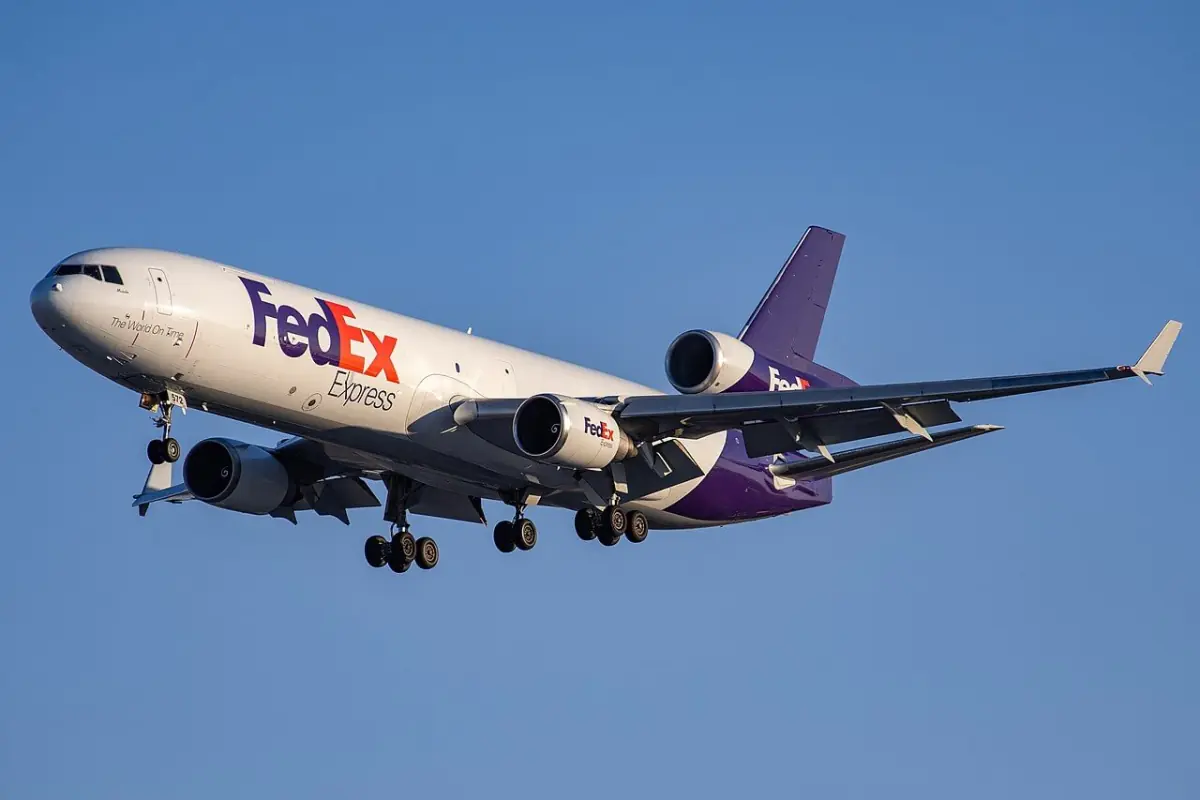

FedEx Express has signalled that it will **delay or resist retirement of its Boeing McDonnell Douglas MD‑11 freighter fleet**, bucking earlier expectations that the trijet era would soon be over. While many operators around the world have already phased out MD‑11s in favour of more modern twin‑engine cargo jets, FedEx appears determined to keep these distinctive tri‑jet workhorses flying for the foreseeable future — driven largely by market dynamics and fleet availability constraints.
The MD‑11 has been a stalwart of FedEx’s cargo operations for decades. Introduced in the early 1990s, the wide‑body trijet was designed to bridge capacity needs between smaller aircraft and larger strategic airlifters. Though production ended years ago and many carriers have since retired their MD‑11s, FedEx has continued to operate a significant number of the type, finding utility in its payload capabilities and long‑range flexibility.
Industry expectations in recent years had been that FedEx would gradually retire the MD‑11 fleet as newer Boeing 777F and Airbus A330‑200F aircraft entered service. These twinjets offer improved fuel efficiency, lower maintenance costs and better operating economics in an era of rising fuel prices and emissions scrutiny. However, cargo yield strength and delays in replacing older freighters have prompted FedEx to reconsider a rapid exit from the MD‑11 program.
The carrier’s decision appears rooted in broader air cargo market conditions. Global air freight demand has periodically outpaced capacity, particularly on transpacific and transatlantic lanes, and the MD‑11’s capacity profile — larger than some twinjets but smaller than ultra‑heavy freighters — fills a niche that is difficult to replace without sufficient new aircraft deliveries. Keeping the MD‑11s active helps FedEx maintain service reliability and flexibility as airlines and integrators navigate market volatilities.
From an operational perspective, MD‑11s have become something of a “trust trijet” for FedEx crews and planners. While their three‑engine configuration is less fuel‑efficient than modern two‑engine designs, the MD‑11s offer solid payload and range performance. Vestiges of the MD‑11 fleet remain useful, especially on long‑distance sectors where volume demand justifies their use and where airport infrastructure supports their operations.
FedEx’s approach aligns with a cautious fleet management philosophy that balances replacing ageing equipment with pragmatism about current capacity constraints. Aircraft retirements are costly, not only in terms of capital but also in lost operational flexibility if replacements are delayed. The MD‑11s’ continued service indicates that, for now, FedEx is willing to press older technology into service rather than risk capacity shortfalls.
The decision also highlights how legacy aircraft types can persist in commercial service when market conditions and airline strategies diverge from textbook retirement plans. While many other operators have phased out the MD‑11, FedEx’s unique business model as a global integrator — combined with fluctuating demand and production backlogs for modern freighters — has made a clean cut less feasible.
Nevertheless, industry observers still expect the MD‑11’s days to be limited in absolute terms. As newer freighters continue to come online and sustainability pressures increase, carriers are under intensifying incentive to modernise. FedEx’s stance might delay the transition but is unlikely to reverse the broader trend toward twinjets and, eventually, next‑generation cargo aircraft with improved environmental performance.
In the meantime, the MD‑11 will remain a visible part of the global air cargo landscape — a testament to both its durability and FedEx’s strategic flexibility. Whether the trijets eventually bow out gracefully or linger as niche fleet assets will depend on how quickly the replacement pipeline can meet the scale of demand and how economic conditions evolve in the competitive cargo sector.