Lockheed Commits $1 Billion to Boost F‑35 Operational Readiness
Lockheed Martin is investing $1 billion to improve F‑35 operational readiness, targeting sustainment, maintenance efficiency and fleet availability.
 Jishan Khan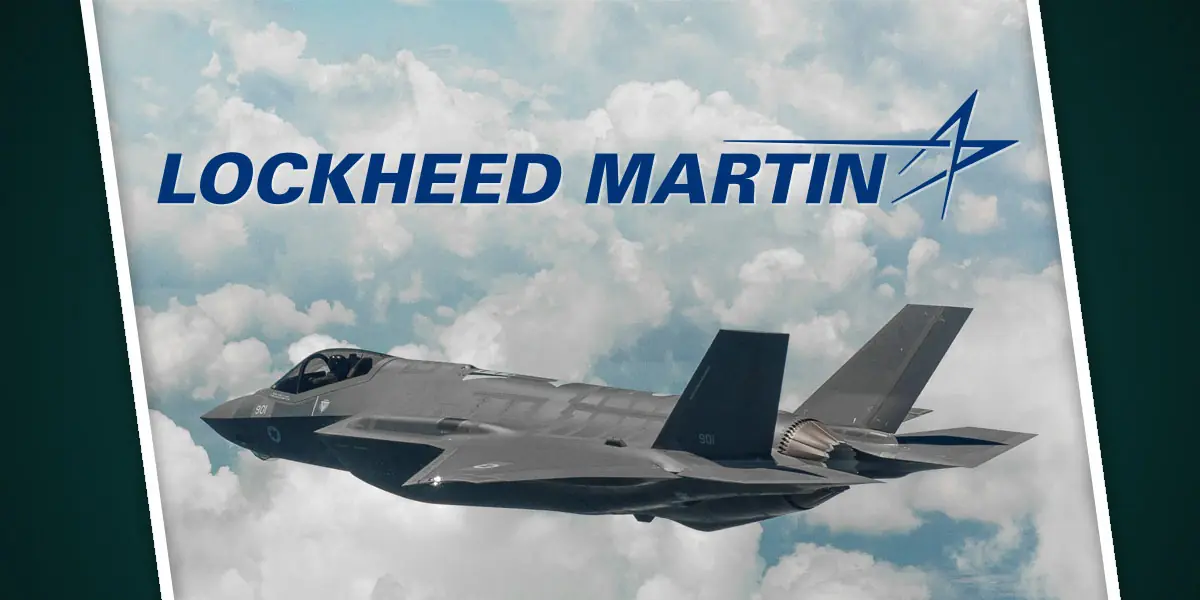

Lockheed Martin has announced a $1 billion investment aimed at significantly improving the operational readiness of the F‑35 Lightning II fleet, underscoring renewed efforts to address sustainment challenges facing the world’s most widely deployed fifth‑generation fighter aircraft. The move reflects growing pressure from customers and defence stakeholders to ensure higher aircraft availability, lower maintenance burdens and improved mission reliability across the global F‑35 operator base.
The investment is expected to focus on enhancing sustainment systems, supply chain resilience and maintenance efficiency rather than purely on new aircraft production. With more than a thousand F‑35s delivered worldwide and additional orders continuing, readiness has become a central issue for air forces that depend on the aircraft for frontline operations. Lockheed’s commitment signals recognition that long‑term programme success depends not only on advanced capabilities but also on predictable and cost‑effective in‑service performance.
Operational readiness has been a recurring concern for the F‑35 programme, particularly as fleets mature and utilisation rates increase. Aircraft downtime linked to spare parts availability, depot capacity and software support has drawn scrutiny from defence ministries and auditors in several countries. Lockheed’s new investment aims to directly tackle these bottlenecks by improving sustainment infrastructure and accelerating the flow of critical components.
From an aviation and aerospace industry perspective, the decision represents a strategic shift toward lifecycle optimisation. Modern combat aircraft programmes are increasingly judged on through‑life cost and availability rather than acquisition alone. By allocating substantial capital toward readiness, Lockheed is aligning with customer priorities that emphasise mission‑ready aircraft over headline delivery numbers.
The F‑35 plays a central role in the airpower strategies of the United States and numerous allied nations across Europe, the Indo‑Pacific and the Middle East. For many operators, the aircraft is intended to replace multiple legacy platforms, amplifying the operational impact of any availability shortfalls. Improved readiness therefore has direct implications for national defence planning, pilot training schedules and alliance interoperability.
Industry analysts note that the investment could also help stabilise long‑term operating costs. Enhancements to predictive maintenance, digital sustainment tools and component reliability may reduce unscheduled repairs and improve fleet planning accuracy. Over time, these improvements could support higher sortie generation rates while easing budgetary pressures on air forces operating large F‑35 fleets.
The announcement also comes amid heightened global security concerns, with defence spending rising across multiple regions. As air forces seek to maximise return on investment from high‑value platforms, manufacturers are increasingly expected to share responsibility for sustainment outcomes. Lockheed’s funding commitment positions the company as a proactive partner in addressing readiness challenges rather than reacting to customer criticism.
While the effectiveness of the investment will ultimately be measured by measurable gains in aircraft availability, the scale of the commitment sends a clear signal to operators and competitors alike. It reinforces the idea that next‑generation military aviation success depends as much on sustainment innovation as on cutting‑edge design.
As the F‑35 fleet continues to expand and mature, sustained focus on readiness will remain critical. Lockheed Martin’s $1 billion investment marks a significant step toward strengthening the operational backbone of one of the most important combat aircraft programmes in modern aviation history.