Macau’s Grand Emperor Hotel Pulls Up Lobby Gold Bricks and Sells Them for Nearly $13 Million
The Grand Emperor hotel in Macau removed gold bars embedded in its lobby floor and sold them for around $12.8 million amid rising metal prices, reinvesting as the property evolves post‑casino closure.
 Pratyaksha Singh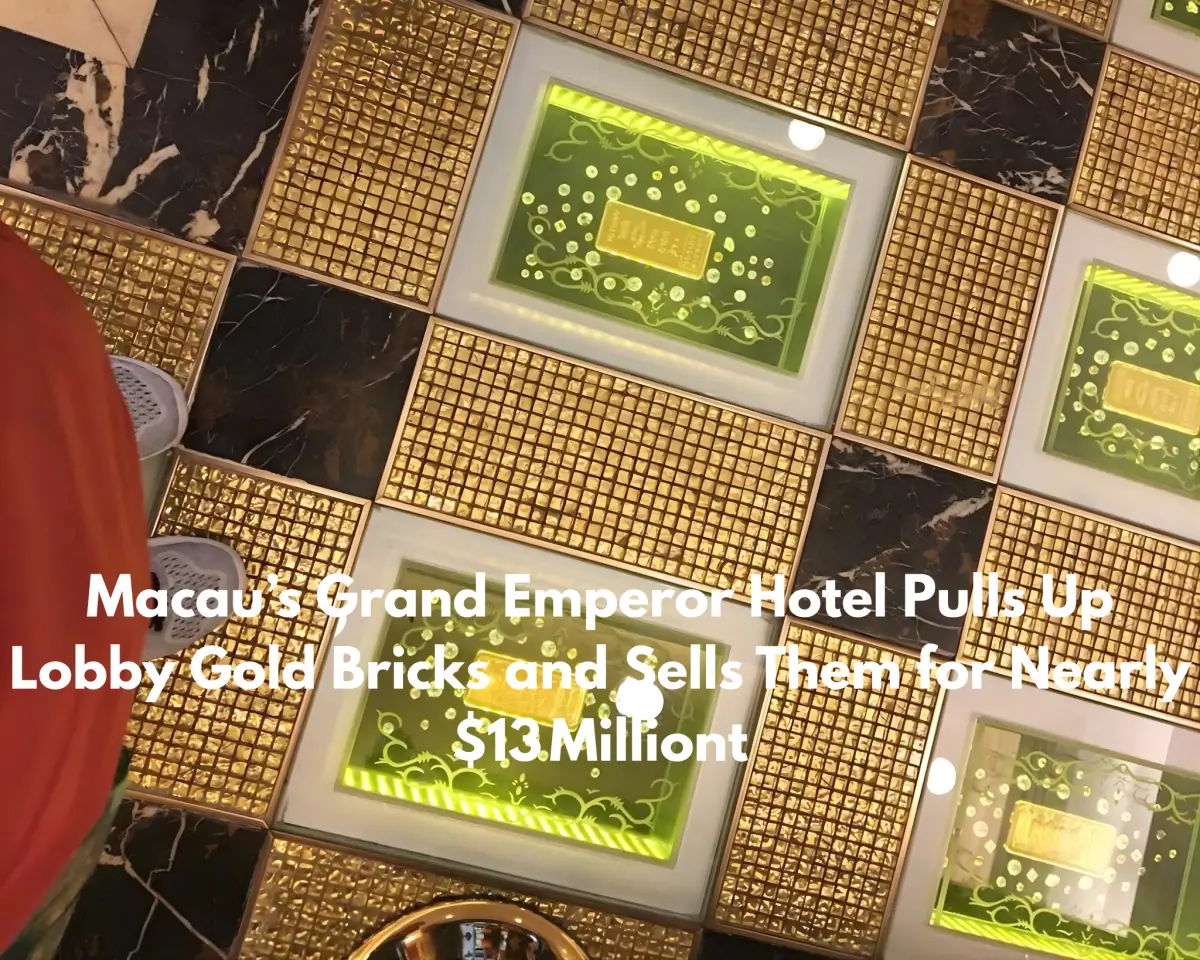

Macau’s Grand Emperor Hotel Removes Lobby Gold Bars and Sells Them Amid Surging Prices
The Grand Emperor hotel in Macau has taken the extraordinary step of removing and selling gold bars that were built into its lobby floor, earning approximately $12.8 million in the process. The move reflects both the unique opulence that once defined parts of the city’s hospitality landscape and the evolving economic pressures confronting luxury properties as market conditions shift. The “golden pathway” at the hotel was a striking architectural feature — literal gold bars laid into the floor that welcomed visitors with an extravagant display of wealth and flamboyance. While such design was conceived to create a memorable and sumptuous atmosphere, the hotel’s management determined that current financial and market dynamics presented a strong opportunity to monetise the precious metal rather than retain it as a decorative element.
Cash‑In on Bullion: Timing and Market Conditions
The decision to sell a total of 79 kg of gold bricks was driven in part by the rising price of precious metals. With gold values surging amid broader global economic volatility, the hotel’s owners — Emperor Entertainment Hotel Ltd, based in Hong Kong — chose to convert the embedded bullion into liquid assets. The sale was conducted to a Hong Kong–based refiner, significantly strengthening the company’s financial position. According to the corporate announcement, while the gold had served as an eye‑catching symbol of luxury, selling it now provided a practical means to support future investments and redevelopments. With many hospitality operators globally reevaluating asset portfolios in light of changing travel patterns and revenue strategies, this decision reflects a broader industry trend of monetising non‑core or unconventional assets when market conditions are favourable.
From Opulence to Resilience: Context in Macau’s Tourism Sector
Macau is unique within China for its legal casino gambling status, and for many years it led the world in gambling revenue, attracting millions of visitors hungry for luxury entertainment. However, in recent years local authorities have encouraged economic diversification, and several casino operators have been adjusting strategies in response to policy changes and shifting visitor demographics.The casino at the Grand Emperor was closed in October, and the hotel is currently planning redevelopment of the space to include other entertainment and amusement facilities. The removal of the lobby’s gold features coincides with these broader renovations, suggesting a strategic repositioning of the property in Macau’s competitive hospitality landscape.
Luxury Interior Design Meets Practical Value
Gold and other precious metals have long been used in hospitality design as tactile symbols of extravagance and exclusivity. At the Grand Emperor, the embedded gold bars were more than decorative — they were a defining part of the hotel’s visual identity that set it apart from competitors. Yet the decision to dismantle that aesthetic in favour of financial pragmatism highlights how luxury properties are balancing symbolic design with economic reality. The sale of the gold has sparked interest as a case study in how luxury hotels can creatively leverage built‑in assets. For architects and designers, it also raises questions about the long‑term value of integrating high‑value materials into physical structures that may outlive market conditions that made them desirable in the first place.
Implications for Macau’s Hospitality Sector
The Grand Emperor’s move may prompt other properties in Macau and beyond to assess the value of their physical assets — especially those tied up in interior design or non‑liquid materials. As international tourism rebounds unevenly and hotel operators seek sustainable business models, converting seldom‑used or decorative assets into revenue can enhance financial flexibility without necessitating operational cuts. Furthermore, the hotel’s announcement underscored the dual nature of hospitality — where design and guest experience intersect with capital strategy and asset management. Macau’s unique position as both a gaming centre and a leisure destination means operators must continuously innovate, balancing the traditional allure of luxury with evolving economic demands and competitive pressures.
Conclusion: A Golden Statement Recast
The sale of gold bricks from the Grand Emperor hotel’s lobby floor represents a symbolic shift from purely ostentatious luxury toward pragmatic asset realisation. While the bullion once served as a distinctive attraction, its conversion into financial resources opens new strategic opportunities for the property as it adapts to Macau’s changing tourism dynamics. This story illustrates how hospitality operators can rethink legacy design elements through a business lens — transforming symbols of once‑unquestioned opulence into capital that supports future resilience and growth in a rapidly shifting global market.