Muscat Lifestyle Hospitality Expansion By Rove
Muscat enters a new phase of urban living as Rove brings lifestyle hospitality and branded residences focused on sustainability connectivity and long term city growth.
 Pratyaksha Singh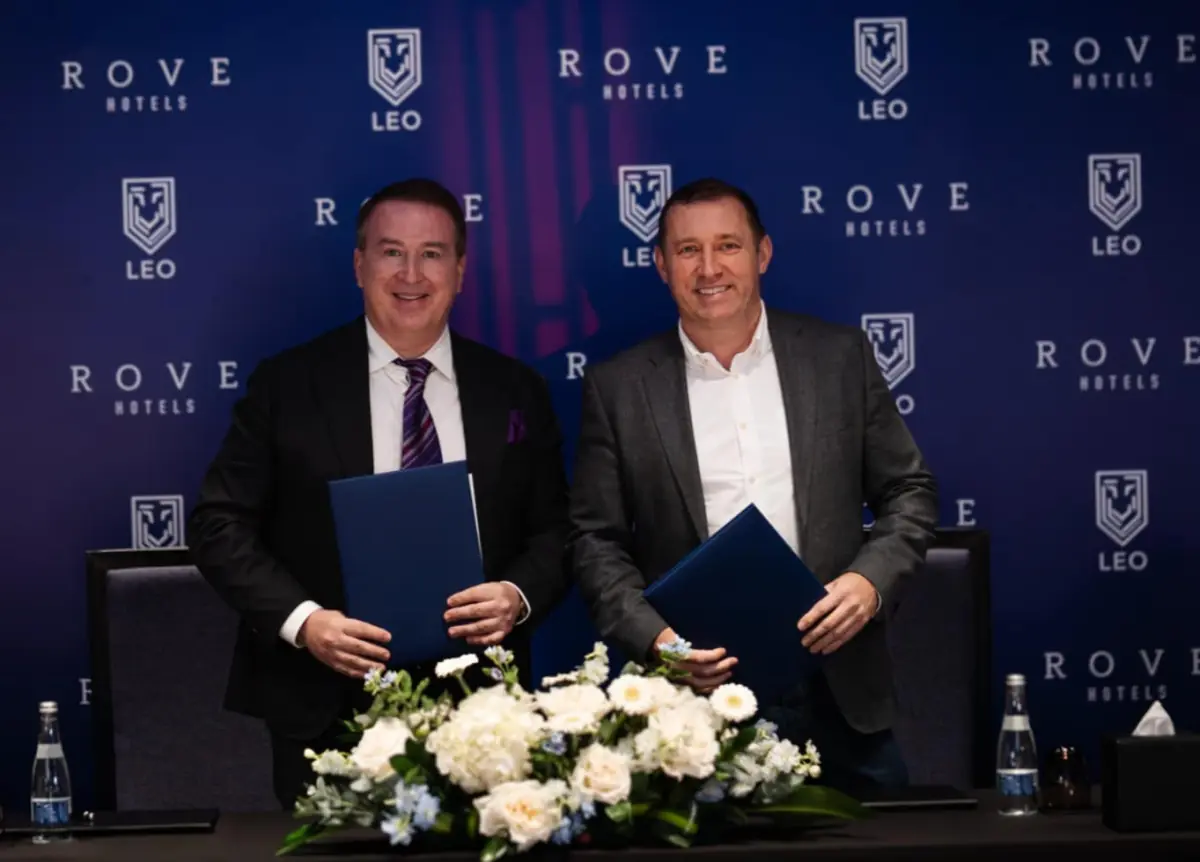

Rove Hotels has formally entered the Omani market through a long-term partnership with LEO Developments, marking a strategic expansion of lifestyle-led hospitality and branded residential living into the Sultanate. The collaboration begins with Rove Home Muscat Expressway, the brand’s first project in Oman and the opening chapter of a wider multi-location growth plan.
The development is located along the Muscat Expressway, one of the city’s most connected urban corridors, offering direct access to key business districts, Muscat International Airport, and the Oman Convention and Exhibition Centre. Urban planners and hospitality analysts view the location choice as significant, reflecting a preference for transit-oriented development that reduces commute times and supports lower-carbon urban mobility.
Rove, founded in Dubai as a joint venture between Emaar Properties and Dubai Holding, has built its regional presence around efficient design, community-focused spaces, and sustainability-led operations. With more than 8,000 rooms and residences operational or under development across the Middle East, the brand has positioned itself as a bridge between hospitality and modern urban living, catering to a new generation of mobile professionals and long-stay travellers.
The Muscat project will feature fully furnished one- and two-bedroom apartments and loft-style residences, designed to balance privacy with shared social spaces. Amenities include co-working areas, landscaped roof gardens, a lap pool with jacuzzi, and the brand’s signature café concept, reflecting evolving demand for flexible live-work environments in growing cities.
LEO Developments, the project partner, has positioned the collaboration as part of a broader response to changing lifestyle expectations in Oman. As Muscat expands beyond traditional residential formats, branded living concepts are increasingly seen as tools to attract international talent, support knowledge-driven sectors, and create inclusive urban communities.
Executives involved in the partnership have emphasised cultural sensitivity and long-term value creation, an approach aligned with Oman’s national development vision. The project’s focus on compact living, shared amenities, and efficient land use reflects a growing emphasis on sustainability and resource optimisation in Gulf city planning.
Beyond Muscat, the partnership signals ambitions to expand Rove’s footprint across multiple urban and leisure destinations, including free zones and integrated tourism complexes. Industry observers note that such developments could help diversify Oman’s hospitality offering beyond conventional luxury resorts, positioning the country as a hub for contemporary lifestyle travel in the GCC.
For the regional hospitality sector, Rove’s entry into Oman highlights a broader shift away from scale-driven hotel expansion towards human-centred, environmentally conscious urban development. As cities across the Middle East and South Asia compete for investment and talent, projects that combine connectivity, sustainability, and community are emerging as a new benchmark.