Brazil’s GOL Completes Corporate Merger to Streamline Operations and Strengthen Financial Position
Brazilian airline GOL has completed a corporate merger aimed at simplifying its structure, improving financial stability, and supporting long-term growth.
 Jishan Khan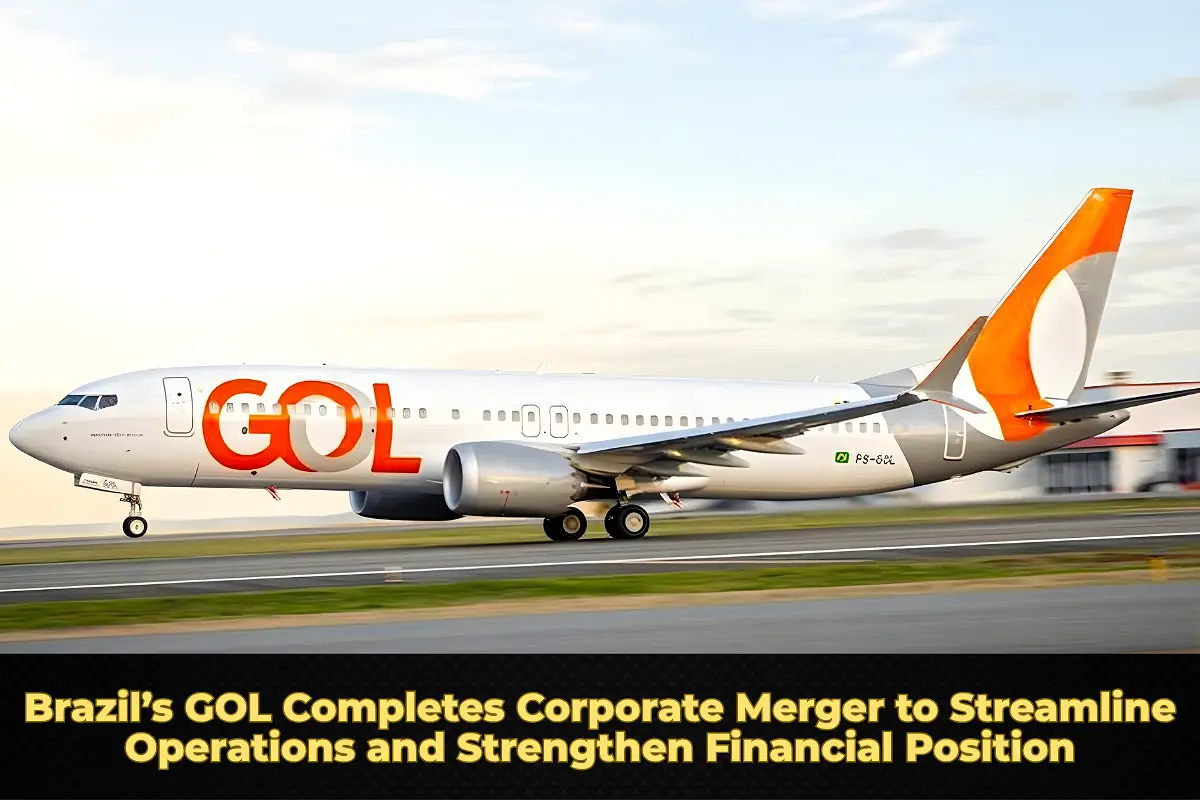
Brazilian airline GOL Linhas Aéreas Inteligentes has completed a corporate merger in 2026 aimed at simplifying its organizational structure, improving financial efficiency, and supporting long-term growth, according to industry reports. The move consolidates various entities within the airline’s corporate framework, marking a significant step in its broader restructuring strategy as it navigates a challenging aviation environment in Latin America.
The merger brings together key business units under a unified structure, allowing GOL to streamline operations, reduce administrative complexity, and enhance decision-making processes. The initiative is part of the airline’s ongoing efforts to strengthen its financial position and adapt to evolving market conditions.
Strategic Objectives of the Merger
The primary objective of the corporate merger is to create a more efficient and agile organization. By consolidating multiple entities into a single corporate structure, GOL aims to eliminate redundancies, improve coordination across departments, and achieve cost savings.
Streamlining the corporate framework can also enhance transparency and governance, making it easier for management to implement strategic initiatives and respond to market changes. The merger reflects a broader trend in the aviation industry, where airlines are simplifying their structures to improve operational efficiency and financial performance.
GOL’s leadership has positioned the merger as a foundational step toward building a more resilient and competitive airline.
Financial Implications and Cost Efficiency
The merger is expected to generate financial benefits by reducing overhead costs and improving resource allocation. Consolidation can lead to lower administrative expenses, more efficient use of assets, and better alignment of financial management practices.
For airlines operating in a highly competitive and cost-sensitive environment, such efficiencies are critical. Rising fuel prices, currency fluctuations, and economic uncertainties have placed significant pressure on carriers across Latin America, prompting them to seek ways to optimize their operations.
By strengthening its financial position, GOL aims to improve profitability and enhance its ability to invest in future growth initiatives.
Operational Benefits and Integration
From an operational perspective, the merger is expected to improve coordination across different parts of the airline’s business. A unified corporate structure can facilitate better communication, faster decision-making, and more effective implementation of operational strategies.
The integration process may also involve aligning systems, processes, and corporate cultures across previously separate entities. While such transitions can present challenges, they are often necessary to achieve the full benefits of consolidation.
GOL is likely to focus on minimizing disruption during the integration phase, ensuring continuity of operations and maintaining service quality for passengers.
Market Context and Industry Trends
The corporate merger comes at a time when airlines in Latin America are facing a complex operating environment. Economic volatility, fluctuating demand, and rising costs have created challenges for carriers across the region.
In response, many airlines are pursuing restructuring initiatives, including mergers, partnerships, and cost optimization programs. GOL’s move aligns with these broader industry trends, highlighting the importance of organizational efficiency in maintaining competitiveness.
The airline operates in a dynamic market where both low-cost and full-service carriers compete for market share, making operational efficiency a key differentiator.
Position in the Brazilian Aviation Market
GOL is one of Brazil’s leading airlines, with a strong presence in the domestic market and an expanding network of international routes. The airline plays a crucial role in connecting major cities across Brazil as well as linking the country to destinations in the Americas.
The merger is expected to strengthen GOL’s position in this competitive landscape by enabling it to operate more efficiently and respond more effectively to market opportunities. Enhanced financial stability may also support fleet modernization and network expansion plans.
Maintaining a strong market position is essential for the airline as it competes with other major carriers in Brazil and the wider region.
Investor and Stakeholder Considerations
Corporate restructuring initiatives such as this merger are often closely watched by investors and stakeholders. Simplifying the corporate structure can improve transparency and make it easier for investors to assess the airline’s financial performance and strategic direction.
The merger may also enhance investor confidence by demonstrating proactive management and a commitment to long-term sustainability. For stakeholders, including employees and partners, the changes could lead to a more stable and efficient organization.
Clear communication and effective execution will be key to ensuring that the benefits of the merger are fully realized.
Challenges and Integration Risks
While the merger offers significant potential benefits, it also involves challenges. Integrating different corporate entities requires careful planning and execution to avoid operational disruptions and ensure alignment across the organization.
Potential risks include delays in integration, cultural differences between business units, and the complexity of aligning systems and processes. GOL will need to manage these risks effectively to achieve the desired outcomes.
However, with proper planning and execution, the long-term benefits of consolidation are expected to outweigh the short-term challenges.
Future Outlook
Looking ahead, the completion of the corporate merger positions GOL to focus on growth and innovation. The airline may leverage its streamlined structure to pursue new opportunities, enhance customer experience, and improve operational performance.
Continued investment in technology, fleet modernization, and network expansion will likely be part of its strategy as it seeks to strengthen its competitive position. The merger provides a platform for these initiatives by creating a more efficient and financially stable organization.
As the aviation industry continues to evolve, airlines that can adapt quickly and operate efficiently are better positioned to succeed.
GOL has completed its corporate merger, marking a key milestone in its restructuring efforts as it seeks to improve efficiency, strengthen its financial position, and support long-term growth.