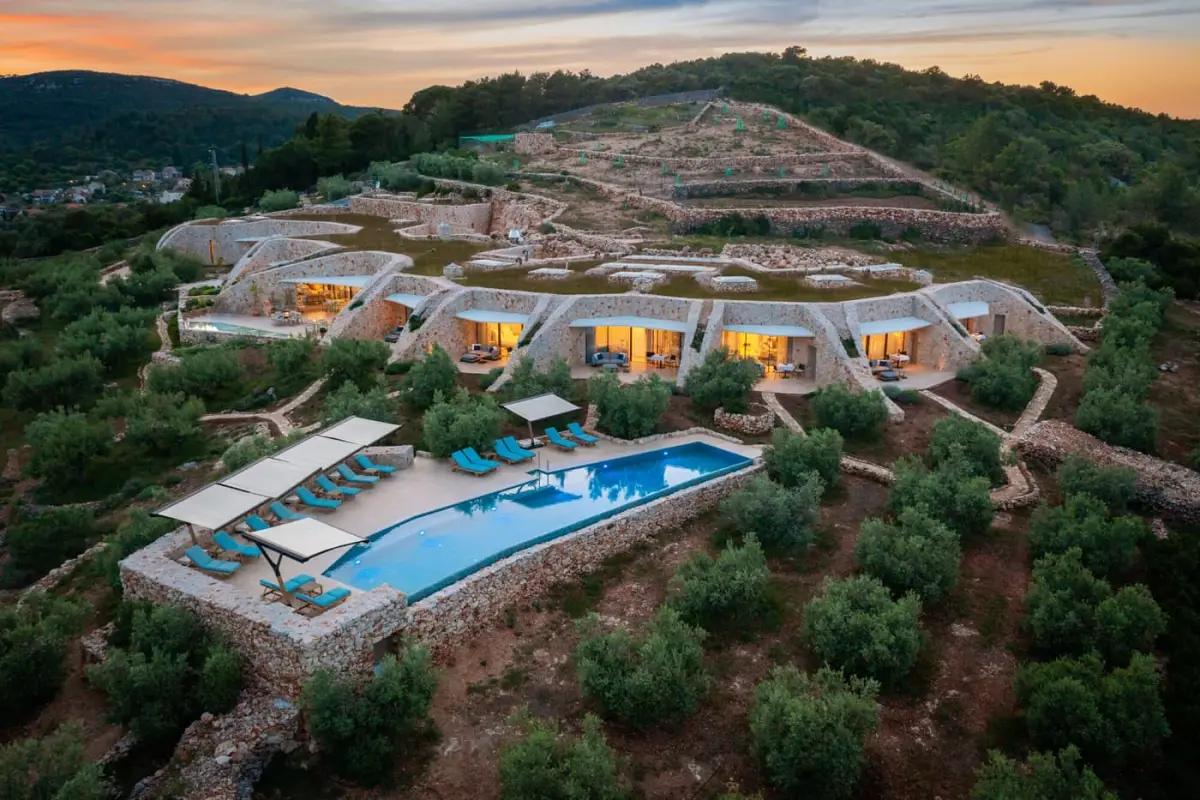
Why Marriott, Hilton and IHG are betting billions on an Indian travel boom despite the market slump
Indian travel boom: Global chains like Marriott and Hilton are betting big on India, adding thousands of rooms despite a shaky economy. Is the gamble safe?
 Munni Khatun
Big Chains Go All-In on India as Domestic Travelers Defy Economic Gloom
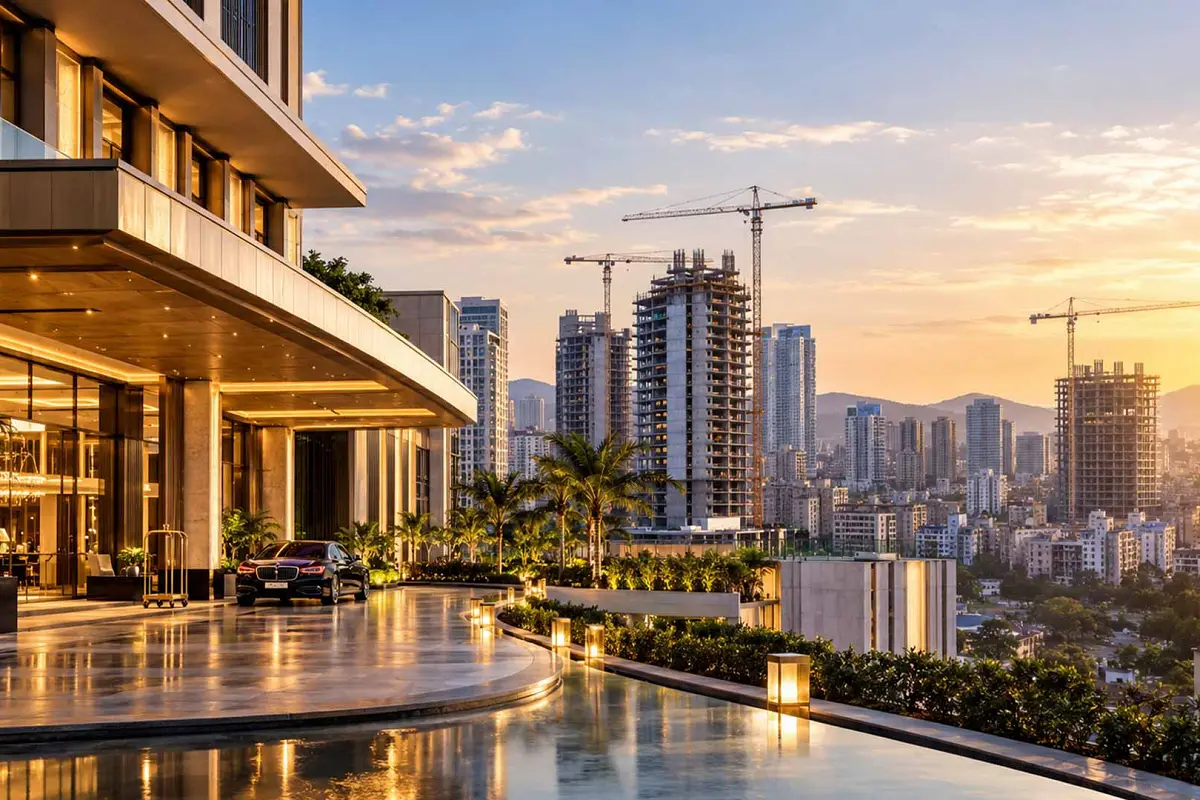
Coz of Indian travel boom Major global hotel operators—Marriott, IHG, and Hilton—are aggressively expanding across India, betting that the country’s massive middle class will keep booking rooms even as the broader economy hits a rough patch.
While the stock market has been jittery and consumer spending is showing signs of cooling off, the hospitality sector is doing the exact opposite: it’s building.
Recent deals are coming in fast. In May, IHG Hotels & Resorts announced a partnership with the airports arm of Gautam Adani’s conglomerate to develop five hotels at key aviation hubs, including a rollout of its ultra-luxury Kimpton brand. Meanwhile, Hilton and Wyndham are pushing into smaller, high-growth cities, and Accor is heading deep into the Karnataka wilderness to put a premium Mantis brand property right in a tiger reserve.
The Disconnect: Inflation vs. The Urge to Travel
Look, the economic data is a bit messy right now. A Reserve Bank of India consumer confidence survey from June 5 showed that household sentiment on spending has "significantly weakened," and inflation remains a persistent headache.
But here’s the thing: Indians are changing how they spend. A report from Kantar last week found that while people are getting pickier with their wallets, "travel and meaningful experiences" are still at the top of the priority list. About 60% of those surveyed said they plan to take a domestic holiday within the next year.
The demand for premium spots—beaches in Goa, mountains in Kashmir, wildlife reserves—has surged roughly 20% for the summer. Ravi Gosain, president of the Indian Association of Tour Operators, says hotel rates are up as much as 25%. Honestly, if you’ve tried to book a decent room in a popular destination lately, you know exactly what he’s talking about. It isn’t cheap.
Why Pilgrimage is the New Luxury
You might think luxury hotels are just for urban business travelers, but you’d be missing the biggest trend. Spiritual and religious tourism is currently a massive driver of growth.
- Marriott’s Play: About 11% of their 220 hotels in India are now geared toward temple visitors.
- Hilton’s Focus: Roughly 15% of their pipeline is tied to these spiritual hubs.
- Changing Habits: Rajeev Menon, Marriott’s Asia Pacific president, notes that pilgrims aren't just popping in for a quick prayer anymore. They’re staying two to four nights, throwing birthday parties, and sightseeing.
"The religious tourism alone fills the season, and the rates alone are astronomical," says Clarence Tan, a senior VP at Hilton. Even in cities where you can’t buy a drink due to local restrictions, the sheer volume of high-paying guests makes the trade-off worth it for these operators.
Infrastructure and the "Patriotic" Vacation
The government is helping, too. Prime Minister Narendra Modi recently urged Indians to skip overseas trips for a year, framing it as a way to keep money in the country and ease pressure on the rupee. It’s economic patriotism, sure, but it also dovetails nicely with the massive investment in new airports and highways.
Nishant Pitti, founder of the travel platform EaseMyTrip, thinks this push will only accelerate the trend of locals rediscovering their own country. Plus, the ongoing war in the Middle East has made international air travel a massive headache, pushing even more people to stick to domestic routes.
The Long-Term Gamble
The scale of this expansion is hard to ignore. India has roughly one hotel room for every 3,000 people. Compare that to the U.S., which has one for every 60, and you see why these chains are so hungry. Marriott alone plans to add 180 properties, or 30,000 rooms, over the next few years.
Is it risky? Absolutely. The BSE Sensex is down nearly 14% this year, and if the economy really starts to drag, even the most dedicated vacationer will have to trim their budget. If people stop feeling wealthy, those $1,900-a-night suites in the Himalayas might start looking a lot less attractive.
But the industry is playing a long game. Last year, hotel investments hit $567 million, a 67% jump. With a construction pipeline of over 900 projects, these companies aren't looking at this month’s inflation numbers; they’re looking at the next two decades. As Hilton’s Tan put it, the fact that a country with this many people only brought in about 9.2 million international visitors last year is "almost criminal." They’re clearly expecting that to change.