ITC Maurya Sustainability Focuses On Energy Efficiency
ITC Maurya sustainability initiatives strengthen water conservation and energy efficiency operations across the luxury hotel.
 nishathapa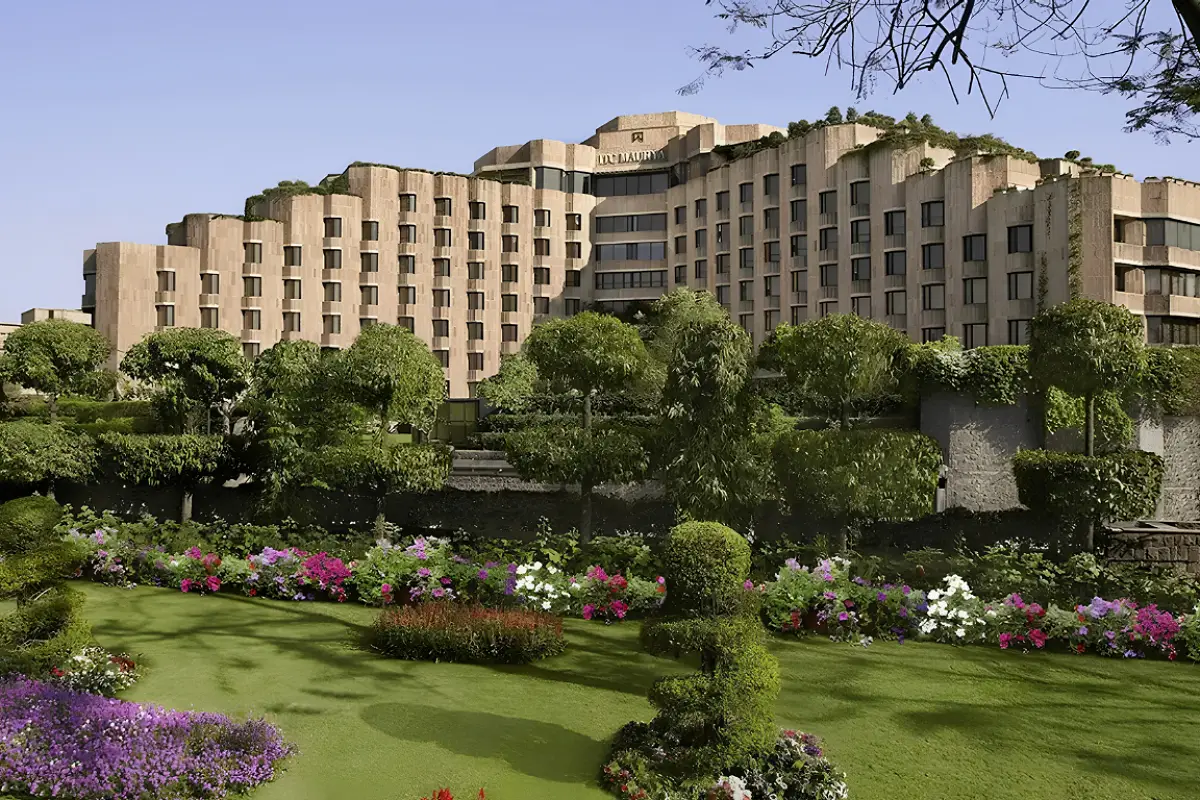
NEW DELHI, May 21, 2026: ITC Maurya has expanded its sustainability programme across hotel operations, reinforcing its position as one of India's most environmentally committed luxury properties. The hotel, which holds the distinction of being the world's first LEED Platinum certified hotel for Existing Buildings and also carries LEED Zero Water certification, has deepened its work across water management, energy, culinary sourcing and in-house production.
For a property that already sits at the top of global green hotel certification, pushing further is not a given. Many hotels reach a certification milestone and treat it as a finish line. ITC Maurya appears to be treating its certifications as a starting point, and the range of initiatives now running across the property reflects that.
ITC Maurya Builds on LEED Platinum Status With Wider Sustainability Drive
The hotel has put water management at the centre of its current sustainability focus. Rainwater harvesting systems are in place across the property, supplemented by water recycling processes and broader water efficiency measures designed to reduce consumption at an operational level.
The water work sits alongside a push on energy; the hotel is integrating renewable energy sources into its operations, running energy-efficient systems across the property and has installed EV charging infrastructure for guests. Low-waste practices run as a thread through all of it, with the intent being to reduce environmental impact not just in one part of the hotel but across every touchpoint a guest encounters.
SunyaAqua Brings Zero Mile Water Into the Guest Experience
One of the more tangible and visible changes at ITC Maurya is the introduction of SunyaAqua, a Zero Mile Water initiative the hotel has developed in-house. The concept is straightforward: drinking water is processed and bottled within the hotel premises itself, cutting out the transport chain entirely and eliminating the property's dependence on single-use plastic bottles brought in from outside.
The name Zero Mile Water says exactly what the initiative does. There is no supply chain, no road miles, no plastic-wrapped pallets arriving at a loading bay. The water goes from processing to guest table within the same building. For a hotel that serves the volume of guests ITC Maurya does, the reduction in plastic waste and transport-related emissions that this produces is not insignificant.
It is also the kind of initiative that guests actually notice. A branded in-house water bottle sitting on the room service tray tells a story in a way that a sustainability certification on a lobby wall does not.
The Kitchen Has Joined the Sustainability Effort Too
ITC Maurya's culinary operations have been pulled into the sustainability strategy as well. The hotel has increased its use of locally sourced produce and seasonal ingredients across its dining outlets — a shift that reduces food miles, supports regional farmers and produces menus that reflect what is actually available and at its best rather than what can be airfreighted in from wherever.
Energy-efficient kitchen practices have been adopted alongside the sourcing changes, making the back-of-house operation leaner in resource terms even as the hotel maintains the quality standards expected at a property of its standing.
Locally sourced, seasonal menus are not a new concept in hospitality. But at a five-star Delhi property operating at scale, actually executing it consistently is harder than announcing it. The fact that ITC Maurya is embedding it as part of a broader operational strategy rather than a menu-marketing exercise suggests it is meant to last.
Responsible Luxury as an Operating Philosophy, Not a Marketing Line
What runs through all of these initiatives is a consistent philosophy that ITC Hotels has been developing across its portfolio for years, the idea that luxury and environmental responsibility are not in tension with each other. ITC Maurya is the group's most visible proof point for that argument.
The LEED Platinum and LEED Zero Water certifications gave the property external validation. The SunyaAqua initiative, the renewable energy integration, the rainwater harvesting and the sourcing changes are what keep that validation meaningful in practice rather than just on paper.
As environmentally conscious travel continues to move from niche preference to mainstream expectation among both domestic and international guests, the hotels that have been doing the actual operational work for years are in a stronger position than those now scrambling to catch up. ITC Hotels has been running this race seriously for long enough that the gap is not easy to close quickly.