Autonomous Trucks Restaurant Supply Chain Partnership Set to Transform U.S. Food Distribution
The autonomous trucks restaurant supply chain partnership between Aurora and McLane aims to modernize food distribution with advanced self-driving trucking technology.
 Prajakta Sanjay Warwadkar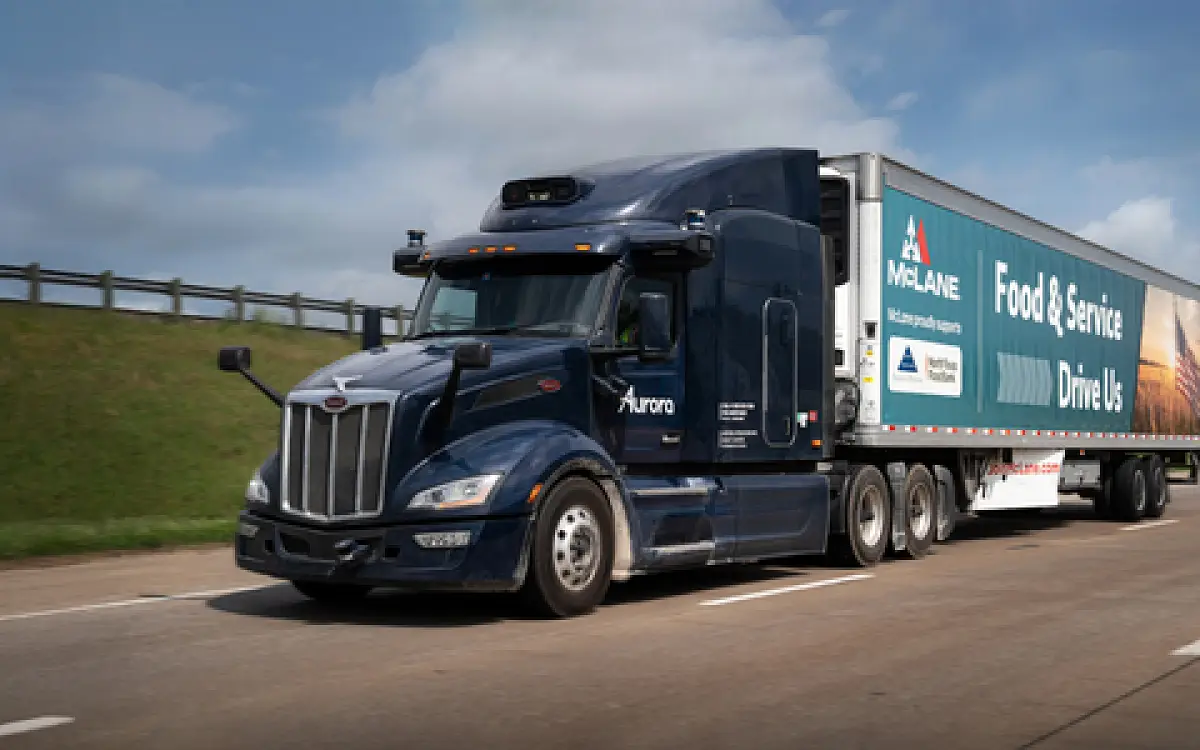
Back-of-house chatter is shifting from food costs to freight lanes—operators are watching trucks, not just tickets.
Autonomous Trucks Restaurant Supply Chain Partnership Set to Transform U.S. Food Distribution
The autonomous trucks restaurant supply chain partnership between Aurora and McLane Company is stepping into real service, not just test tracks. This move puts self-driving freight directly into the pipeline that feeds restaurants across the United States.
And for operators dealing with late trucks and missing product, that matters.
Autonomous Trucks Restaurant Supply Chain Technology Enters Mainstream Logistics
The Rise of Self-Driving Freight Solutions
The autonomous trucks restaurant supply chain rollout shows the tech is no longer sitting in pilot mode. It’s moving freight. Real loads. Real routes.
These trucks run on sensors, cameras, and AI systems that read the road and make decisions on the fly. Less human input. More machine control.
For restaurants, that could mean fewer excuses when deliveries miss the window.
Autonomous Trucks Restaurant Supply Chain Partnership Focuses on Efficiency
Improving Delivery Performance
Every operator knows the pain—late produce, shorted orders, drivers stuck or unavailable.
This autonomous trucks restaurant supply chain play is built to cut that clutter. Routes get tighter. Timing gets sharper. Fewer gaps in the system.
And when the truck shows up on time, the kitchen runs smoother. Simple as that.
Autonomous Trucks Restaurant Supply Chain Innovation Reflects Industry Evolution
Technology Reshaping Hospitality Operations
Restaurants have been stacking tech for years—kiosks, inventory systems, digital ordering.
Now the supply chain is catching up.
The autonomous trucks restaurant supply chain shift plugs logistics into that same tech-driven system. Less guesswork. More control.
Autonomous Trucks Restaurant Supply Chain Partnership Could Address Labor Challenges
Responding to Driver Shortages
The driver shortage hasn’t gone away. If anything, it’s tighter.
Autonomous trucks won’t wipe out drivers. But they will take pressure off long-haul routes and repetitive runs.
That frees up human crews for local work and tighter delivery zones—where they’re still needed most.
Autonomous Trucks Restaurant Supply Chain Systems Prioritize Safety
Advanced Monitoring and Navigation Technology
Safety is the sticking point. Always has been.
These trucks rely on radar, cameras, and machine learning to read traffic, adjust speed, and avoid risk. The tech is built to cut human error—not add new problems.
But the rollout depends on trust. And that’s still being earned.
Autonomous Trucks Restaurant Supply Chain Expansion May Influence Costs
Potential Economic Benefits for Restaurants
Transport costs eat into margins fast. Fuel, delays, labor—it adds up.
This autonomous trucks restaurant supply chain model aims to trim that. Cleaner routes. Less downtime. Better fuel use.
But the upfront spend is heavy. Infrastructure, systems, compliance—it’s not cheap to get running.
Autonomous Trucks Restaurant Supply Chain Partnership Highlights the Future of Food Logistics
A Shift Toward Smart Distribution Networks
This isn’t just about trucks. It’s about control.
The autonomous trucks restaurant supply chain system points toward tighter, data-driven distribution networks. Inventory moves faster. Tracking gets sharper.
And kitchens get what they need—when they need it.
FAQ About Autonomous Trucks Restaurant Supply Chain Partnership
What is the autonomous trucks restaurant supply chain partnership?
A collaboration bringing self-driving trucks into foodservice distribution networks.
Why are autonomous trucks important for restaurants?
They help tighten delivery timing, reduce delays, and ease logistics pressure.
Will autonomous trucks completely replace human drivers?
No. Human drivers will still handle local routes, oversight, and operations.
How could autonomous trucking impact restaurant costs?
Better efficiency and fewer delays could lower long-term supply chain expenses.
Conclusion: Autonomous Trucks Restaurant Supply Chain Technology Signals a New Era
Innovation Driving the Future of Distribution
The autonomous trucks restaurant supply chain partnership between Aurora and McLane Company is a clear shift in how food moves across the country.
It’s not hype anymore. It’s infrastructure.
And if it delivers on timing and cost, operators won’t care who—or what—is behind the wheel.
Read more: https://hospitalitycareerprofile.com/