Singapore Restaurant Foraged Seafood Controversy Erupts
Singapore restaurant foraged seafood controversy prompts Havelock Palace apology, as the eatery pledges stricter sourcing after backlash and bad reviews.
 RUKAIYA KADIWAL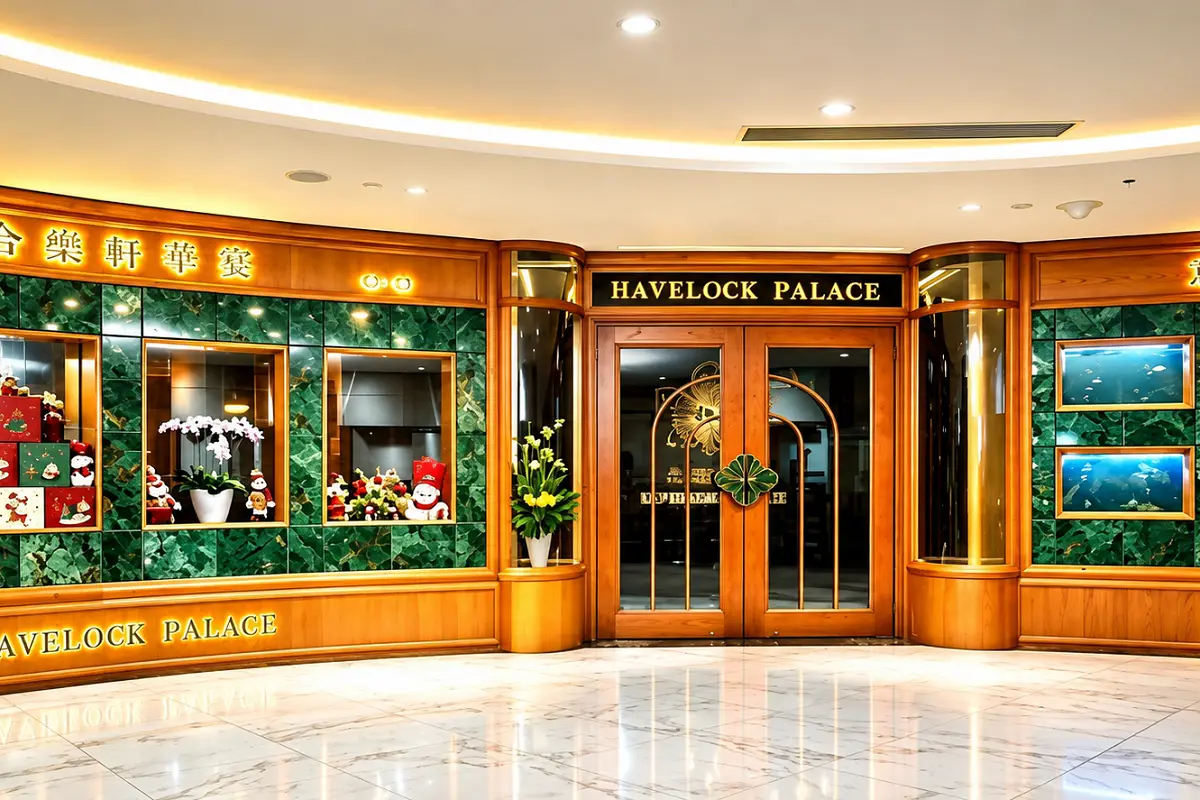
A video showing a group of foragers collecting large quantities of marine life at Changi Beach has drawn sharp public criticism in Singapore, and the restaurant that cooked what they gathered is now at the center of the fallout. Havelock Palace has issued a formal apology following the Singapore restaurant foraged seafood controversy, which erupted after footage circulated online showing crabs, clams and other marine life being harvested in bulk before being delivered to the Chinese restaurant for cooking.
The apology, posted on Saturday, came weeks after the video first surfaced and triggered a wave of backlash against both the group of foragers and the restaurant itself.
What Happened at Changi Beach
The video at the center of the Changi Beach foraged seafood incident showed a group of individuals collecting marine life in large quantities directly from the shoreline, gathering crabs and clams among other species before bringing their haul to Havelock Palace to be prepared and cooked.
Once the footage began circulating, the group of foragers involved disbanded amid the public criticism that followed, while attention increasingly turned toward the restaurant that had agreed to cook what they had collected.
Havelock Palace Apology and Its Response
In its Havelock Palace apology, the restaurant said it will take responsibility for its role in the incident and outlined a series of changes meant to prevent a repeat situation. The restaurant said it will strengthen its procedures, including tightening its food sourcing standards, reinforcing supplier documentation, prohibiting food from unauthorised sources, and conducting refresher training for staff on food safety and proper food handling.
Full information about the restaurant is available on the official Havelock Palace website.
Political and Public Reaction to the Singapore Restaurant Controversy
The Singapore restaurant controversy also drew a direct response from Member of Parliament Valerie Lee, who represents the Changi division within Pasir Ris–Changi GRC. Lee described the video as deplorable in a social media post addressing the incident.
She explained why the act troubled her beyond questions of legality. "It's not just about whether something is legal or not. It feels like a complete lack of respect, for the animals, for these fragile ecosystems, and even for the traditions of ancient foragers, who understood that you take only what you need so the shore can continue to provide," she said. That quote matters because it reframes the incident away from a narrow legal question and toward a broader concern about ecological restraint and respect for shared natural resources.
Seafood Foraging Singapore and the Ecosystem at Stake
The controversy has also renewed public attention on seafood foraging Singapore practices more broadly, particularly the difference between small scale, sustainable foraging and the kind of mass harvesting shown in the video. Coastal ecosystems like the one at Changi Beach rely on a delicate balance, and large scale removal of marine life at once can disrupt that balance far more severely than the traditional, measured foraging Lee referenced in her statement.
For restaurants, the incident also raises a harder operational question about food sourcing accountability, specifically whether kitchens are adequately verifying where ingredients originate before they reach the pan, a responsibility that extends beyond simple food safety into environmental stewardship as well.
What the Havelock Palace Seafood Incident Reveals
The Havelock Palace seafood incident has left the restaurant facing a barrage of one star Google reviews in the weeks since the video first spread, a reminder of how quickly public sentiment can turn against a business once footage like this reaches a wide audience. It also illustrates a wider vulnerability facing restaurants that accept ingredients from informal or unverified sources, since the reputational cost of a single supply chain misstep can outweigh whatever convenience or cost savings prompted the arrangement in the first place.
Restaurant closures and reputational crises alike tend to move quickly once public attention locks onto a single incident, a pattern also visible in unrelated but comparably sudden shifts in the restaurant industry, such as this report on the closure of Singhs Vietnamese restaurant in San Antonio, where community reaction unfolded just as swiftly, though for very different reasons.
What Comes Next in the Singapore Restaurant Apology
Whether this Singapore restaurant apology and the procedural changes that followed will be enough to rebuild public trust remains to be seen. Supporters of stricter sourcing rules argue the incident should serve as a wider warning to restaurants relying on informal supply arrangements, while others note that the restaurant's swift acknowledgment and concrete policy commitments represent a more accountable response than simply staying silent.
What the episode ultimately leaves behind is a quieter question for both diners and restaurants alike, how much attention is really being paid to where a meal comes from before it ever reaches the table, and what it costs, to a shoreline and to a reputation, when that question goes unasked.